
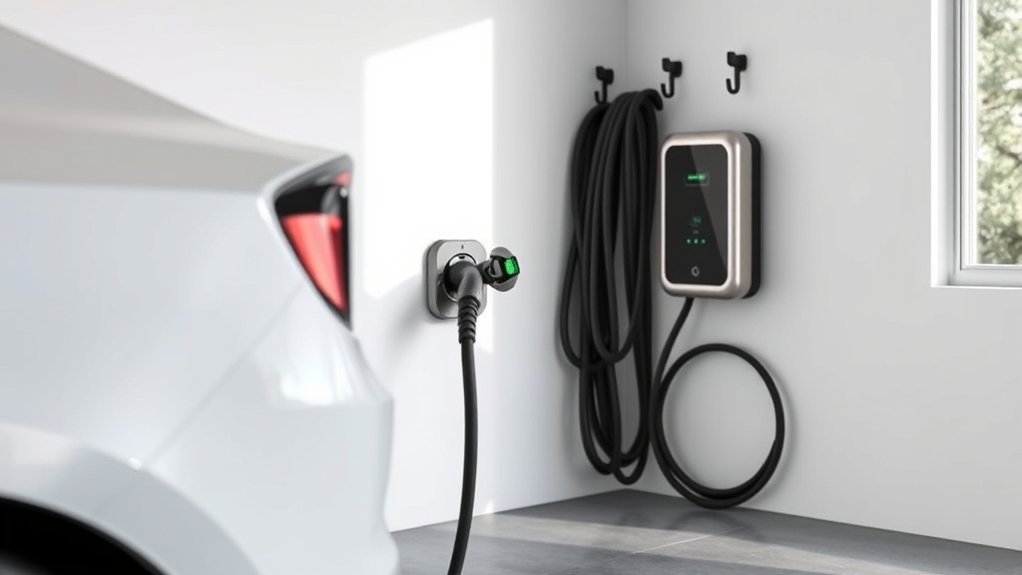
A home EV charger installation in the U.S. commonly costs about $800 to $3,000 for a Level 2 setup, including the charger and standard electrical work. A short run from a panel with enough capacity can cost less, while trenching, long wire runs, or a panel/service upgrade can push the total above $3,000. As of October 7, 2026, the federal Section 30C home-charger tax credit is no longer available for equipment placed in service after June 30, 2026, but state, local, and utility incentives may still reduce your cost.
Understanding the Basics of EV Charger Installation
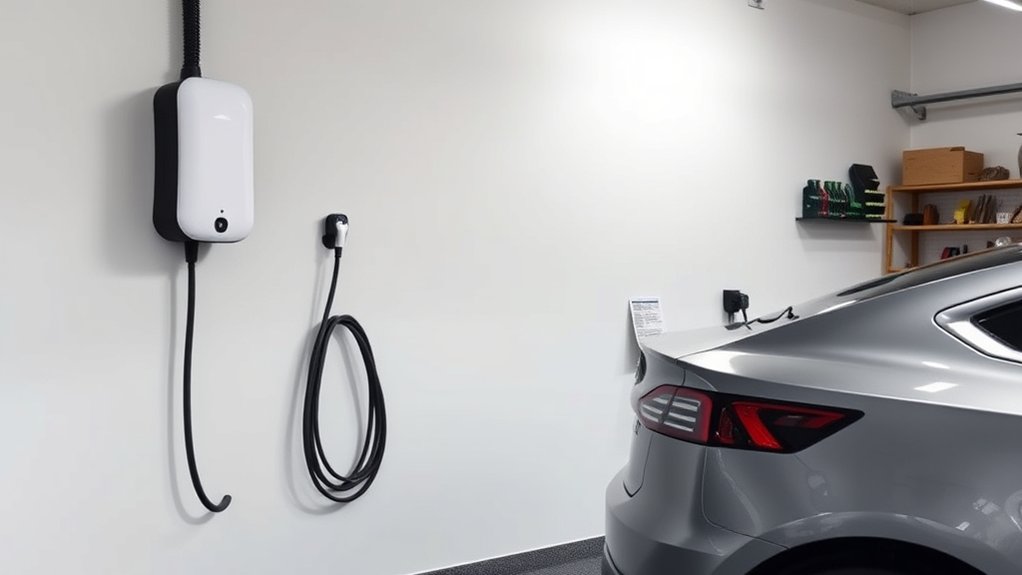
Most homeowners choose between Level 1 charging from a 120-volt household outlet and Level 2 charging from a 240-volt circuit. Level 1 can work for drivers with modest daily mileage, while Level 2 is usually the more practical choice for faster overnight charging.
According to the U.S. Department of Energy’s Alternative Fuels Data Center (AFDC), residential Level 2 charging equipment commonly costs about $380 to $690 before installation. The electrical work varies much more because every home has a different panel, wiring path, parking location, and local permitting process.
A licensed electrician should confirm that the home’s electrical service and panel can support the charger, size the circuit correctly, install required wiring and overcurrent protection, and follow local electrical and permitting rules. Outdoor chargers should also be approved for outdoor use.
What’s Included in Your Installation Cost?
A complete Level 2 quote may include the charger, labor, wiring, conduit, a dedicated circuit breaker, mounting hardware, permit and inspection fees, and any work needed to reach the parking space. Some contractors quote the charger separately, so compare quotes line by line.
Labor and Expertise Required
Labor depends heavily on the route from the electrical panel to the charger. An open-garage installation a few feet from the panel is usually simpler than a run through finished walls, an attic, a crawlspace, or an underground trench to a detached garage.
The electrician should also perform a load assessment rather than assuming that an empty breaker space means the home has enough electrical capacity. If capacity is limited, a panel or service upgrade may be needed, although approved load-management equipment can sometimes provide another option.
| Cost Factor | Why It Matters |
|---|---|
| Labor | Long or difficult cable routes require more time and materials |
| Permit and inspection | Requirements and fees vary by local jurisdiction |
| Panel or service capacity | Insufficient capacity can require upgrades or an approved load-management solution |
Equipment and Wiring Components
A safe Level 2 installation normally includes more than the wall-mounted charging unit. The exact components depend on the charger’s output, the installation method, and local code.
- Dedicated branch circuit: Supplies the EV charger without sharing the circuit with ordinary household loads.
- Correctly sized wiring and breaker: Must match the charger’s electrical requirements and applicable code.
- Conduit or cable protection: May be needed depending on the wiring route and whether the installation is indoors or outdoors.
- Mounting and weather protection: Outdoor equipment must be rated for the location and installed as directed by the manufacturer.
- Testing and inspection: The installer should verify safe operation before the charger is put into regular use.
Key Factors Affecting EV Charger Installation Costs
The distance from the electrical panel to the parking location is one of the biggest cost drivers. Longer runs require more copper, conduit, labor, and sometimes trenching. Finished walls, concrete, detached garages, and difficult access can also raise the quote.
Electrical capacity is another major variable. A home with adequate service capacity and room for the required circuit may need only a straightforward branch-circuit installation. A home with limited capacity may need panel work, a service upgrade, or a code-compliant load-management solution.
Other factors include the charger’s power rating, hardwired versus plug-in installation, indoor versus outdoor placement, local labor rates, permit requirements, and whether the utility must become involved in a service upgrade.
Comparing Installation Costs: Level 1 vs. Level 2 Chargers
Level 1 can be the lowest-cost option when a suitable 120-volt outlet on a dedicated circuit is already available near the vehicle. Level 2 usually costs more to install because it requires 240-volt service and a properly sized dedicated circuit, but it charges much faster.
- Level 1 charging: Uses 120 volts and typically adds about 2 to 5 miles of range per hour of charging.
- Level 2 charging: Uses 240 volts in typical residential installations and generally adds about 10 to 30 miles of range per hour.
- Actual charging speed varies: Vehicle efficiency, onboard charger limits, EVSE output, battery temperature, and other conditions affect the result.
- Installation difference: Level 1 may need no new electrical work if a suitable circuit already exists, while Level 2 normally requires dedicated 240-volt wiring.
For many battery-electric vehicle owners, Level 2 provides the best balance of charging speed and home convenience. Drivers with short daily trips may find Level 1 sufficient.
Savings: Incentives and Rebates for Charger Installation
As of October 7, 2026, the federal Alternative Fuel Vehicle Refueling Property Credit (Section 30C) has ended for new installations. The IRS states that qualified property had to be placed in service no later than June 30, 2026 to qualify under the final eligibility period.
The federal Section 30C credit is not available for a home EV charger placed in service after June 30, 2026.
If your charger was placed in service on or before that date, the historical residential credit was generally 30% of qualifying costs, up to $1,000 per charging port, but eligibility also depended on requirements such as installation at a main home in an eligible census tract. Review the IRS Section 30C guidance and Form 8911 instructions for the tax year involved.
State, local, and utility programs may still offer rebates, time-of-use electricity rates, make-ready support, or other incentives. Availability changes frequently, so check your electric utility and the Alternative Fuels Data Center incentives database before buying equipment.
Choosing the Best Location for Your EV Charger
The best location is usually where the charger can reach the vehicle comfortably while keeping the electrical run short and protected. A charger close to the panel can reduce material and labor costs, but convenience, weather exposure, cable routing, and parking layout still matter.
Before installation, consider:
- Distance from the electrical panel: Shorter wiring routes are generally less expensive.
- Where the charge port sits on your vehicle: The cable should reach without being stretched across walkways or traffic areas.
- Indoor or outdoor rating: Use equipment listed for the installation environment.
- Future vehicle needs: Choose a location that can still work if you change vehicles or add a second EV.
- Local rules: Permits, inspection requirements, setbacks, and equipment mounting rules vary by jurisdiction.
What to Expect When You Hire an Installer?
A qualified installer should inspect your panel, review available electrical capacity, determine the charger’s circuit requirements, evaluate the cable route, and explain whether a permit or utility coordination is required. Ask for a written quote that separates the charger, electrical work, permit fees, and optional upgrades.
A straightforward installation near a panel with adequate capacity is very different from a project that needs trenching or a service upgrade, so the site assessment matters more than a national average.
Get two or three comparable quotes when practical. Confirm that the contractor is properly licensed and insured for electrical work in your area and that the installation will follow the charger’s manufacturer instructions and applicable electrical code.
Common Exclusions From EV Charger Installation Fees
Not every quote includes the same items. Before accepting an estimate, ask what is included and what could become an additional charge after the site visit.
- EV charger hardware: Some installers quote labor and electrical materials only.
- Permit and inspection fees: These may be billed separately.
- Panel or service upgrades: Major electrical work is often outside a basic installation quote.
- Trenching or wall repair: Underground runs, concrete work, drywall repair, and painting may be separate.
- Utility work: Meter, service-drop, transformer, or other utility-side changes may require separate approval and costs.
Future Considerations for EV Charger Installation
If you expect to keep driving electric, it can make sense to plan beyond today’s vehicle. The wiring path, panel capacity, charger location, and conduit size can affect how easy it is to support a higher-output charger or an additional EV later.
| Factor | What to Consider | Potential Impact |
|---|---|---|
| Electrical capacity | Current load plus future electric appliances or a second EV | May affect panel, service, or load-management needs |
| Wiring route | Short, accessible routes are easier to install and upgrade | Can reduce present and future labor costs |
| Solar and managed charging | Charging schedules can be coordinated with electricity rates or home energy production | May reduce operating cost, depending on the home and utility plan |
Solar panels can offset some household electricity use, but they do not make EV charging automatically free. Savings depend on solar production, the time you charge, utility rates, net-metering rules, equipment costs, and how much of the solar generation your home uses directly.
Frequently Asked Questions
How Much Does It Cost to Put an EV Charger in My House?
A typical U.S. home Level 2 project often falls around $800 to $3,000 for the charger and standard installation. A simple installation can cost less, while long wiring runs, trenching, panel work, or a service upgrade can raise the total substantially. The most reliable estimate comes from a site-specific quote.
How Much Should an EV Charger Installation Cost?
There is no single correct price because the electrical path and panel capacity matter more than the charger alone. Compare quotes that clearly show the charger cost, labor, wiring and conduit, breaker, permit or inspection fees, and any panel or service work.
Is There Still an IRS Tax Credit for EV Charger Installation?
Not for a charger placed in service after June 30, 2026. The federal Section 30C credit ended after that date. A qualifying charger placed in service on or before June 30, 2026 may still be eligible when you file the applicable tax return, subject to the IRS rules, including the eligible-census-tract requirement.
Can a Normal Electrician Install an EV Charger?
Yes, a properly licensed electrician can generally install a home EV charger if the work is within the electrician’s license and meets local requirements. Experience with EV charging equipment is helpful because the installer must evaluate electrical capacity, size the circuit correctly, follow the manufacturer’s instructions, and handle permits or inspections where required.
Do I Need to Upgrade My Electrical Panel for a Level 2 Charger?
Not necessarily. An electrician should perform a load assessment to determine whether the existing service and panel can support the new charging load. If capacity is limited, options may include a panel or service upgrade, a lower charging rate, or an approved load-management system, depending on local code and the equipment.
Is Hardwired or Plug-In Level 2 Charging Better?
Both can work when installed correctly and permitted by the charger manufacturer and local code. Hardwiring eliminates a receptacle connection and is common for higher-output or outdoor installations, while a plug-in charger can be easier to replace or move. Ask your electrician which approach fits your charger, circuit, and local requirements.
Conclusion
For most homeowners, the cost of a home EV charger installation comes down to three things: the charger, the distance from the panel to the parking space, and whether the home’s electrical system has enough capacity. A common Level 2 project may fall around $800 to $3,000, but complicated electrical or trenching work can push the total higher.
Because the federal Section 30C credit ended for equipment placed in service after June 30, 2026, homeowners installing a charger now should focus on current state, local, and utility incentives. Get a site-specific electrical assessment, compare itemized quotes, and verify incentive eligibility before the work begins.