
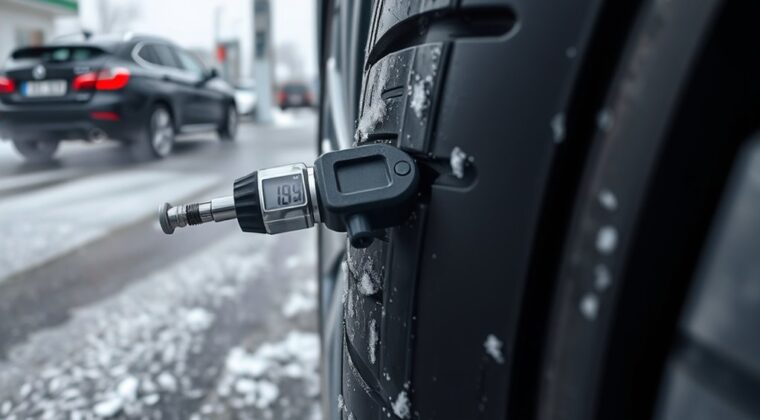
Your tire pressure drops in winter because cold air contracts inside the tire, lowering PSI as temperatures fall. You can lose about 1 to 2 PSI for every 10°F drop, and a larger swing can push pressure well below spec. Underinflation reduces grip, load capacity, and braking performance, while increasing wear and blowout risk. Check tires when cold, use a gauge, and watch TPMS alerts to stay safe and learn what else affects winter pressure.
Key Takeaways
- Cold air contracts inside tires, lowering pressure as temperatures fall.
- Tire pressure can drop 1–2 PSI for every 10°F decrease in temperature.
- A 20°F temperature swing may reduce tire pressure by up to 4 PSI.
- Natural air permeation slowly leaks air, adding small monthly pressure loss.
- Cold weather can push tires below recommended pressure, affecting safety and handling.
Why Does Tire Pressure Drop in Winter?
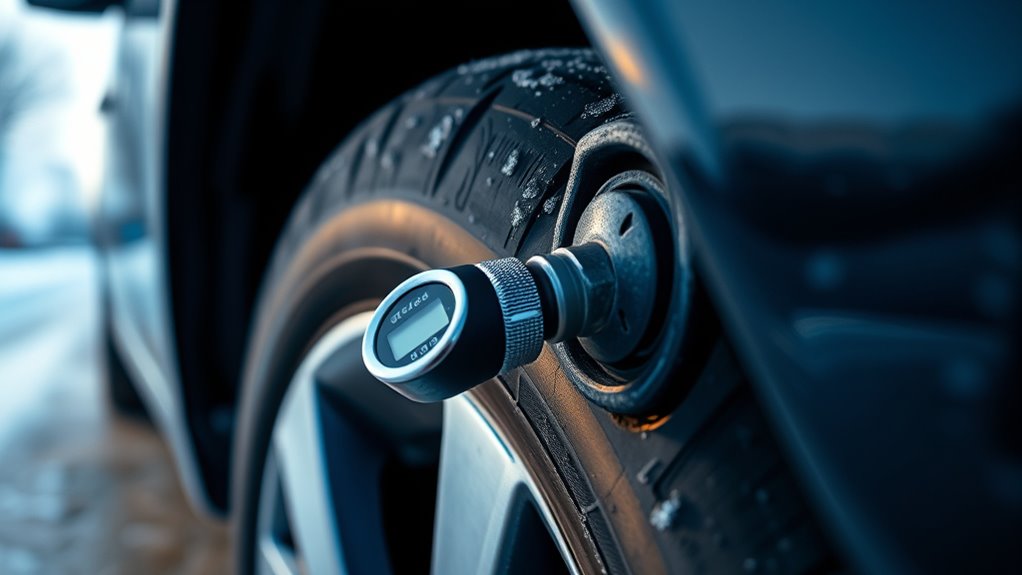
When temperatures fall, the air inside your tires contracts, so pressure drops by about 1–2 PSI for every 10°F decrease; a 20°F swing can cut pressure by as much as 4 PSI.
A 20°F temperature drop can lower tire pressure by as much as 4 PSI.
You see this as tire pressure falls in cold weather because lower thermal energy reduces air volume inside the casing. Each drop in temperature pushes you closer to low tire pressure, and normal monthly permeation adds about 0.05 PSI of loss, compounding the deficit.
That means winter conditions can shift your tires below the specified range even if they seemed fine earlier. You need to check your tire pressure with a gauge, not by appearance, because underinflation changes contact patch behavior and can degrade vehicle control.
In practical terms, pressure loss isn’t random; it’s a predictable physical response that you can measure, correct, and manage. When you monitor PSI consistently, you keep your vehicle safer and preserve your autonomy on the road.
How Does Cold Weather Affect Tire Pressure?
Cold weather makes the air inside your tires contract, so your PSI drops as temperatures fall.
You can lose about 1–2 PSI for every 10°F decrease, and a 20°F drop can remove up to 4 PSI.
That pressure loss can reduce grip and lengthen stopping distances, which raises your risk on icy or wet roads.
Cold Air Contraction
As temperatures drop, the air molecules inside your tires contract, which lowers internal pressure and can leave the tires underinflated. This cold air contraction directly reduces tire pressure, so your vehicle’s load-carrying capacity and handling margin shrink.
For every 10°F the temperatures drop, you can expect about a 1-2 PSI (pounds per square inch) loss; a 20°F change can cut pressure by as much as 4 PSI. Below freezing, rubber stiffens, which can amplify the effects of low pressure over time.
You should pressure regularly, because colder climates can drain air faster than you notice. A tire pressure monitoring system (TPMS) helps alert you, but it can’t replace manual checks. Measure when tires are cold, and maintain correct inflation to keep control and efficiency.
PSI Drops In Cold
Even modest temperature declines can measurably reduce tire pressure: for every 10°F drop, you’ll typically lose about 1–2 PSI as the air inside the tire contracts. In cold weather, that means your tire pressure can fall fast enough to matter. | Temp drop | PSI loss | Effect | |—|—:|—| | 10°F | 1–2 | Small decline | | 20°F | up to 4 | Noticeable loss | | 30°F | 3–6 | Underinflated tires |
You should check pressure when temperatures drop, because underinflated tires lower traction and efficiency. Your tire pressure monitoring system may warn you after the loss already occurs, so manual verification keeps you in control. Each temperature drops cycle can shift PSI, so measure cold tires and restore the recommended value. That’s how you keep performance precise, safe, and free from avoidable drag.
Winter Driving Risks
When temperatures fall, tire pressure drops because air molecules contract, typically by 1–2 PSI for every 10°F decrease, and a 20°F decline can remove up to 4 PSI.
You can’t ignore this in winter driving risks, because low pressure reduces contact stability and weakens control on slick roads. Underinflated tires deform more, so your vehicle responds slower in turns and needs longer stopping distances when you brake hard. That extra delay can turn a routine stop into a collision.
Cold temperatures also hide the problem; your tires may look normal while tire pressure quietly falls.
Make pressure checks part of your cold-weather routine, since regular monitoring preserves traction, efficiency, and your freedom to drive with confidence instead of constraint.
Why Is Low Tire Pressure a Safety Risk?
Low tire pressure is a safety risk because it reduces traction and destabilizes vehicle handling, making steering and braking less responsive on winter roads.
When colder temperatures lower inflation, your tires flex more, and that extra deformation increases friction, heat, and instability. You’ll feel the loss in control most sharply during emergency maneuvers, where low tire pressure can lengthen stopping distances and raise crash probability.
Underinflated tires also wear unevenly, so you face premature tire wear and earlier replacement costs. Even a 1 PSI drop can cut fuel efficiency by about 0.2%, which means more fuel expense or less EV range. Over time, that inefficiency adds up.
The risk doesn’t stay abstract: excess heat and stress can trigger blowouts, especially at speed. A tire pressure gauge helps you quantify the problem, but the core issue remains mechanical—low tire pressure degrades performance, increases expenses, and narrows the margin you need to drive freely and safely.
How Do You Check Tire Pressure in Cold Weather?
To check tire pressure in cold weather, measure it when the tires are cold—ideally before driving in the morning or after the vehicle has been parked for several hours. This eliminates heat-induced expansion and gives you an accurate reading.
Find your recommended tire pressure in the owner’s manual or on the placard inside the driver’s side door; that PSI is your baseline, not a suggestion. Use a high-quality gauge, preferably digital, to check tire pressure with greater precision.
Remove the valve stem cap, seat the gauge firmly on the valve, and read the result immediately. If the measured pressure is below recommended tire pressure, add air in controlled increments, then recheck.
Repeat the same procedure on every tire, including the spare, so no wheel remains underinflated. This method lets you verify tire pressure directly, without guesswork, and keeps your vehicle aligned with your own standards of control and mobility.
How Often Should You Check Tire Pressure in Winter?
You should check tire pressure at least once a month in winter, and more often during sharp temperature swings, because cold air can drop tire pressure by about 1–2 PSI for every 10°F decrease.
Check tire pressure monthly in winter, and more often during temperature swings, since cold air can quickly lower PSI.
In cold weather, that loss compounds fast, so you need to monitor each tire with a gauge, not guess. Check when the tires are cold, ideally before driving in the morning or after the vehicle has sat for several hours, because heat inflates readings and hides deficits.
Regular checks keep your tire pressure in the ideal range, which supports traction, braking control, and stable handling on winter roads.
If readings are low, inflate your tires to the vehicle manufacturer’s specification right away. Don’t wait for symptoms; small pressure drops can still undermine safety and efficiency.
A disciplined monthly routine gives you measurable control over winter conditions and helps you drive with more autonomy.
What Do TPMS Warnings Mean?
When your TPMS light comes on, it’s warning you that one or more tires has dropped considerably below the recommended pressure, typically by about 25% or more.
Your TPMS uses sensors to flag unsafe tire pressure, but it won’t catch every minor shift in air pressure. In cold weather, this warning light often appears because tires lose pressure as temperatures fall.
Treat the alert as a prompt to verify each tire, not as proof that every wheel is equally low.
- Check all tires with a gauge
- Refill to the vehicle’s specified PSI
- Drive about a mile to reset the system
- Reinspect if the warning light stays on
- Keep manual checks as routine maintenance
You need properly inflated tires for control, efficiency, and safety.
Since 2007, TPMS has been standard on new vehicles, but it’s still a support system, not a replacement for your own inspection.
What Winter Tire Care Helps Prevent Pressure Loss?
Routine winter tire care helps prevent pressure loss by catching cold-weather drops early and reducing the conditions that cause them.
You should check tire pressure at least once a month in winter, because cold air can lower it by 1-2 PSI for every 10°F drop. That routine keeps you ahead of hidden leaks and keeps your winter tires operating as designed.
Use winter tires that stay flexible in cold conditions; they grip better and often need fewer inflation corrections. Inflate them with dry air whenever possible, since moisture in compressed air can trigger pressure swings.
Also inspect valves and bead seals, because small faults waste PSI and weaken safety margins. Proper pressure protects handling, reduces drag, and supports fuel economy; even a 1 PSI loss can cut gas mileage by 0.2%.
With disciplined maintenance, you keep control, efficiency, and freedom on winter roads.
Frequently Asked Questions
Is It Normal for Tires to Lose PSI in Winter?
Yes, you can expect your tires to lose PSI in winter because seasonal changes and temperature effects make the air inside contract.
You’ll usually see about 1–2 PSI drop per 10°F, so pressure monitoring matters. For tire maintenance, check pressures manually, since TPMS can miss small losses.
During winter driving, follow safety tips: inflate to spec, inspect often, and keep your vehicle ready for safer, freer travel.
Should I Add Air to My Tires in Cold Weather?
Yes—you should add air, like topping off a battery before a long ride. You’ll counter cold weather effects, protect traction, and improve efficiency.
Use tire maintenance tips: check pressure with a gauge, since pressure monitoring systems may miss small drops.
Follow tire inflation frequency of monthly or more in winter. Use safe air compressor usage, and make seasonal tire care routine to keep your vehicle responsive and free.
Why Is My Tire Losing Pressure but No Leak?
Your tire’s losing pressure without a leak because temperature effects shrink air volume, and moisture can freeze inside the tire.
You’ll also see gradual seepage from normal aging and rubber permeability.
Don’t trust tire inflation myths; use pressure monitoring systems, but check manually.
Follow tire maintenance tips, inspect after seasonal tire changes, and verify pressures often for winter driving safety.
You’re not powerless—accurate data frees your decisions.
Should I Worry About Low Tire Pressure in Cold Weather?
Yes—you should. Low pressure is a silent thief of control and efficiency.
You’ll see cold weather effects reduce PSI, so check tires weekly, use tire maintenance tips, and verify pressure with pressure monitoring systems.
Account for tire performance factors, because underinflation cuts grip, fuel economy, and tread life.
For winter driving safety, keep to manufacturer specs and follow safe driving practices before icy roads turn minor drift into major risk.
Conclusion
In winter, you can see tire pressure drop about 1 PSI for every 10°F the temperature falls, so the effect is both predictable and measurable. If you check your tires regularly, you can catch losses before they reduce traction, increase wear, or trigger a TPMS warning. You should inspect pressure when tires are cold, adjust to the manufacturer’s recommendation, and stay consistent through the season. That simple routine helps you keep driving safer and more efficiently.