You rely on your EV charger to reach the vehicle safely and conveniently. A purpose-built EV charging extension cable can help with awkward garage layouts, shared driveways, and curbside parking. However, connector type, current rating, cable length, and charger instructions matter more than a simple “fits my car” label. This guide compares J1772 and NACS extension options and shows what to verify before you buy.
Affiliate disclosure: This roundup is reader-supported. When you click an Amazon link, we may earn a commission from qualifying purchases at no extra cost to you.
Quick verdict: Choose the connector first, then match the extension’s verified current rating to your EVSE output. For most homes, a 20 to 21 ft cable is easier to route and store than a 40 ft model.
Important: Confirm that your vehicle and charger manufacturers permit an extension. Treat these products as AC charging accessories unless the manufacturer expressly approves another use.
Top Picks
|
Category |
Product |
Best Match |
|---|---|---|
|
Best NACS Everyday Pick |
NACS, 21 ft |
|
|
Best Value J1772 |
J1772, 21 ft |
|
|
Best 50A J1772 |
J1772, 20 ft |
|
|
Best Heavy-Duty J1772 |
J1772, 21 ft |
|
|
Best Portable 48A J1772 |
J1772, 21 ft |
|
|
Best Safety-Focused NACS |
NACS, 21 ft |
|
|
Best Everyday 32A J1772 |
J1772, 21 ft |
|
|
Best Value 48A J1772 |
J1772, 21 ft |
|
|
Best Extra-Long Reach |
J1772, 40 ft |
How We Picked
We compared the products by connector format, seller-listed current and voltage ratings, cable length, weather-resistance claims, storage features, and the clarity of each product’s compatibility information.
We gave more weight to practical buyer questions than unsupported scores. Will the cable fit the vehicle and EVSE? Can it carry the charging current? Is the length reasonable for the parking layout? Are the certification and ingress-protection claims easy to verify?
We did not treat a high amp number, an IP rating, or a certification phrase as automatic proof of safety. Product markings, the current Amazon listing, the EVSE manual, the vehicle manual, and local electrical requirements should all agree before regular use.
Before You Buy an EV Charger Extension Cable
- Match the connector: J1772 and NACS are not interchangeable without an approved adapter or charging setup.
- Match the current: The cable’s verified rating must meet or exceed the EVSE’s maximum output.
- Use the shortest practical length: Longer cables are heavier, harder to route, and more sensitive to voltage drop and heat.
- Verify certification claims: Check the exact model number and certification mark instead of relying only on listing text.
- Keep connectors protected: Weather resistance does not make energized connections safe in standing water.
- Avoid permanent temporary wiring: An extension should not replace properly installed charging equipment or electrical work.
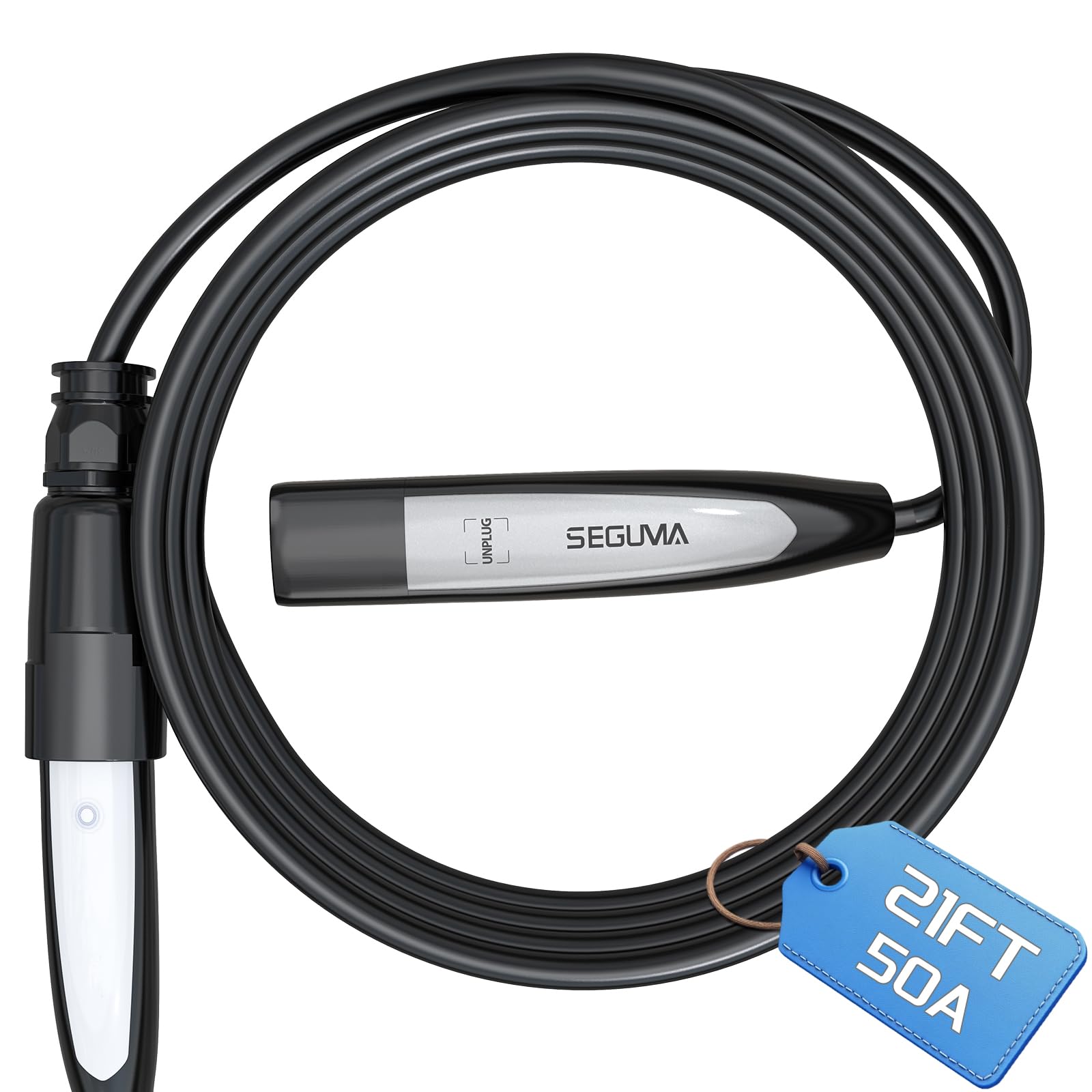
This cable helps when a wall connector or mobile charging cable cannot comfortably reach the vehicle’s charge port. The 21 ft length offers useful flexibility without the bulk of a 40 ft cord.
Who should buy this: NACS users with a compatible AC charging setup where 21 ft of additional reach is enough.
Who should avoid this: Skip it if you need J1772, your charger maker prohibits extensions, or you plan to use a DC fast charger.
Review Snapshot
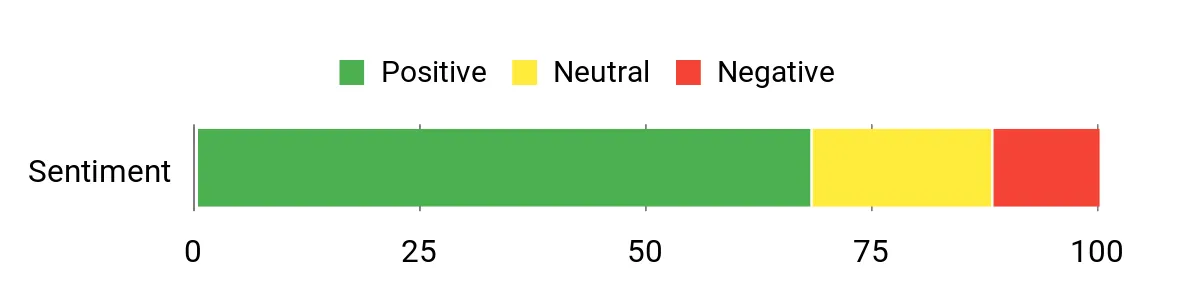
The chart below is retained from the original article. Check the current Amazon listing for recent verified feedback about connector fit, latch operation, cable stiffness, heat, and long-term durability.
Safety
The seller describes the cable as weatherproof and rated up to 50A. Confirm the markings on the delivered product, keep both connectors off standing water, and stop using the cable if a plug, latch, or jacket becomes damaged.
Use Cases
This option is suited to planned AC charging in garages, driveways, or similar parking areas where the cable can be routed without creating a trip or vehicle hazard.
Key Benefits
- NACS-to-NACS format for compatible AC charging
- 21 ft reach for garages, driveways, and curbside parking
- Seller-listed capacity up to 50A at 240V
- Carrying bag supports cleaner storage
This cable adds practical reach for common home Level 2 charging layouts without moving the EVSE or parking awkwardly.
Who should buy this: J1772 users who want a manageable 21 ft cable and have an EVSE output within the verified cable rating.
Who should avoid this: Choose another option if your charging setup can exceed 40A, you need NACS, or the vehicle or EVSE manual advises against extensions.
Review Snapshot
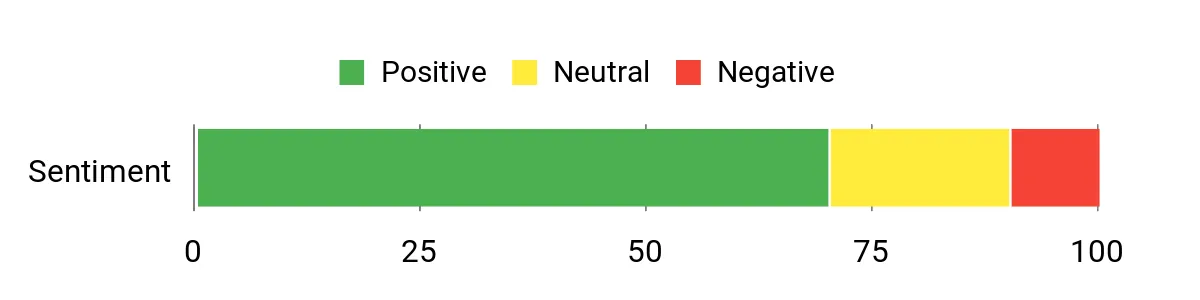
Check current verified feedback for connector fit, cable flexibility, temperature, and long-term durability.
Safety
The listing describes IP66 protection, but water resistance does not make energized connections safe in puddles. Match the cable rating to the charging current, fully uncoil it during use, and inspect the contacts and jacket regularly.
Use Cases
This option works best in garages and driveways where 21 ft provides enough reach without creating excessive slack.
Key Benefits
- 40A seller-listed capacity for many Level 2 setups
- 21 ft length adds parking flexibility
- J1772 compatibility for supported EVs and PHEVs
- Carrying bag helps protect the connectors
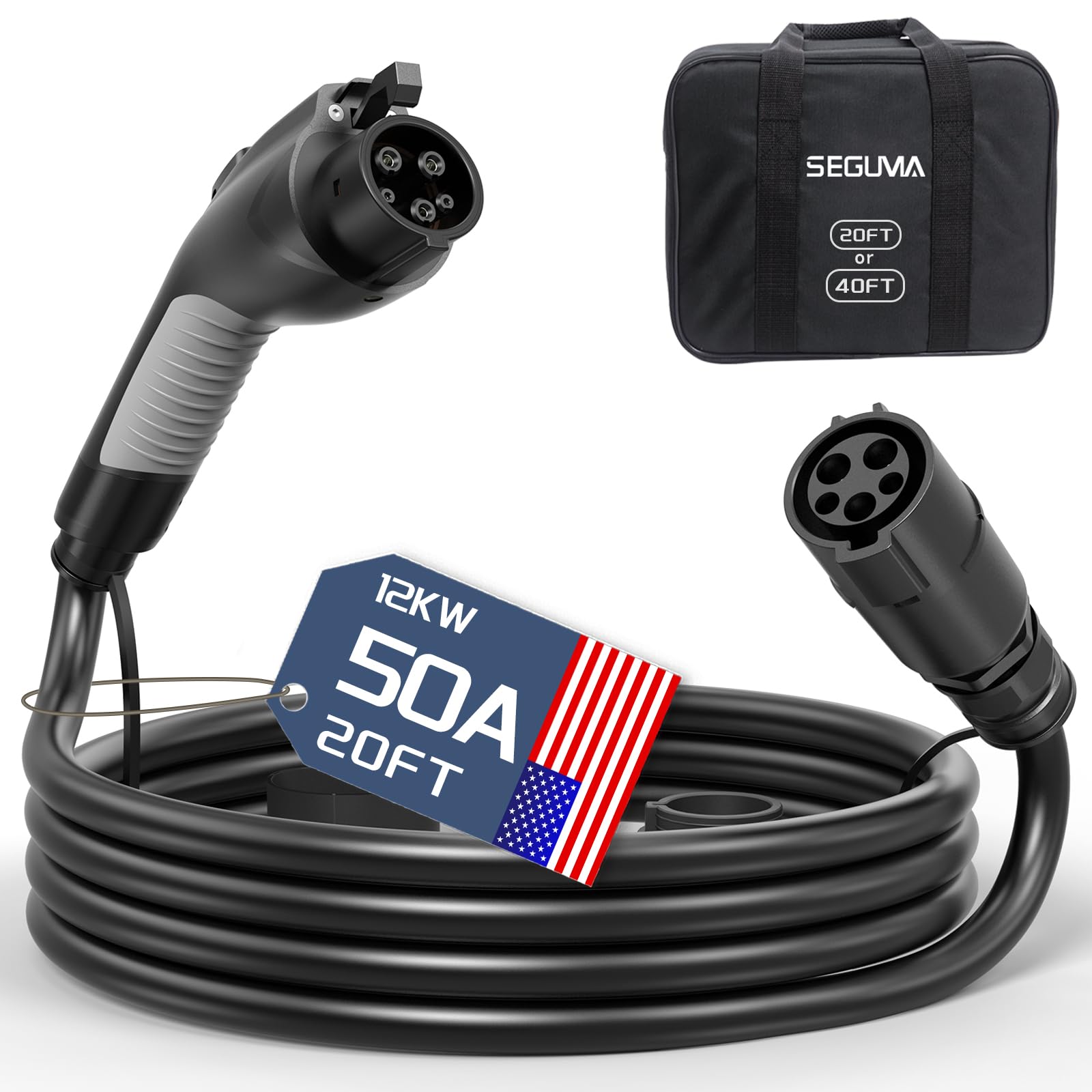
The 20 ft length can bridge many driveway gaps while remaining easier to store than an extra-long extension.
Who should buy this: J1772 users whose EVSE output and electrical circuit stay within the cable’s confirmed rating.
Who should avoid this: Do not buy based on the 50A label alone. Confirm the continuous charging current, connector quality, and manufacturer instructions.
Review Snapshot
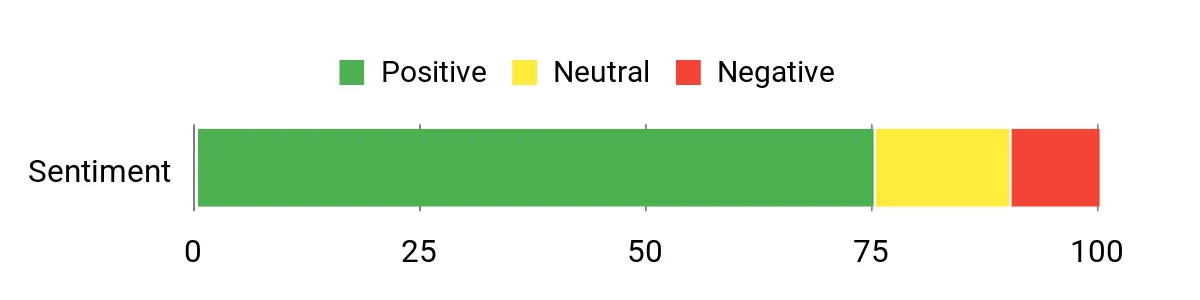
Check recent verified reviews for heat, connector security, cold-weather flexibility, and cable weight.
Safety
A higher current rating does not guarantee safe operation in every setup. Stop using the cable if either connector becomes unusually warm, loose, or discolored.
Use Cases
This model is suited to higher-current home AC charging where approximately 20 ft of added reach solves the parking problem.
Key Benefits
- 50A seller-listed capacity
- 20 ft length balances reach and storage
- Weather-resistant design for planned outdoor use
- Carrying bag included
This option targets frequent home charging where thicker conductors and a substantial cable are priorities. The tradeoff is additional weight.
Who should buy this: Buyers willing to verify the product’s certification marks and electrical rating before use.
Who should avoid this: Skip it if portability matters more than cable heft or you cannot confirm the advertised certification.
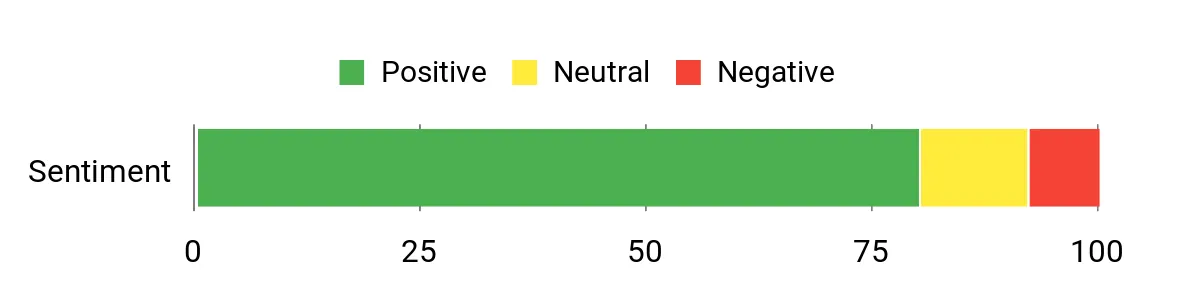
Review Snapshot
Check current feedback about weight, connector fit, cable flexibility, and temperature during longer charging sessions.
Safety
The source listing describes UL certification and 8-gauge construction. Confirm the exact mark, model number, and certification scope on the current listing and delivered product.
Use Cases
This cable is better suited to planned placement than frequent carrying because of its heavier construction.
Key Benefits
- Heavy-duty 8-gauge construction claimed by the seller
- 50A seller-listed rating
- 21 ft reach for residential parking layouts
- Carrying case supports protected storage
This cable aims to balance current capacity, weather resistance, reach, and portability for compatible J1772 charging setups.
Who should buy this: Drivers who need about 21 ft of extra reach and a bag for transport.
Who should avoid this: Choose another product if you need NACS, stronger verified weather protection, or clearer certification documentation.
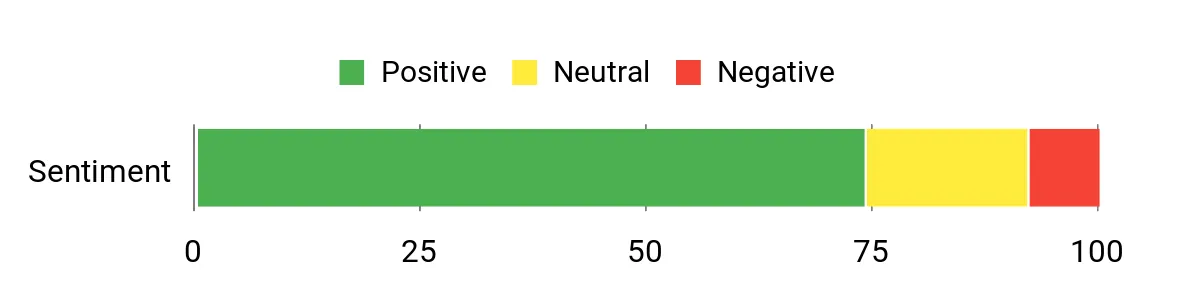
Review Snapshot
Check current reviews for connector quality, cable weight, weather resistance, and charging stability.
Safety
IP55 is a limited ingress-protection claim, not permission to leave connections exposed to standing water. Verify the markings and inspect the cable before every session.
Use Cases
This product is intended for compatible garage and driveway AC charging where a standard-length extension solves the reach problem.
Key Benefits
- 48A seller-listed capacity
- 21 ft reach for driveway and garage use
- J1772 format for compatible AC charging
- Carrying bag included
This option is designed for NACS users who need extra AC charging reach and prefer a listing that emphasizes a recognized safety credential.
Who should buy this: NACS users who can verify connector fit, current rating, and the certification claim.
Who should avoid this: Skip it for J1772 vehicles, DC fast charging, or chargers that prohibit extensions.
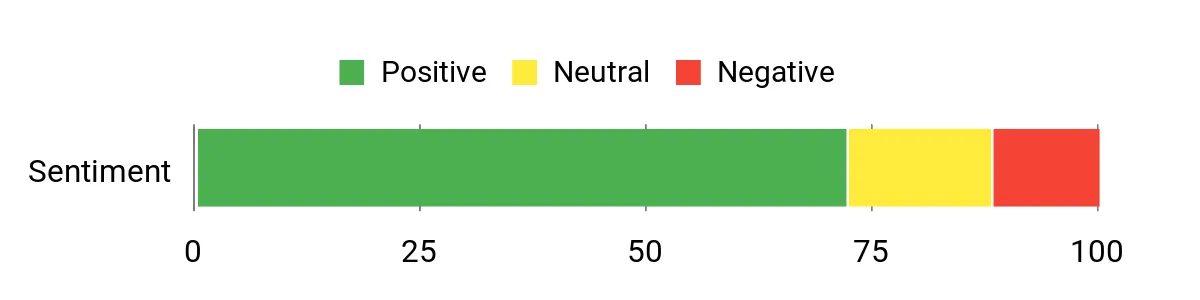
Review Snapshot
Check recent verified feedback about the connector-release mechanism, fit, cable stiffness, and temperature.
Safety
The source describes this cable as UL listed. Confirm the exact mark and model before relying on that claim. Stop use if the release mechanism sticks, the housing cracks, or the cable heats abnormally.
Use Cases
This product is intended for compatible NACS AC charging in garages, driveways, and similar planned parking layouts.
Key Benefits
- NACS format for compatible AC charging
- 21 ft parking flexibility
- 48A seller-listed capacity
- Seller-listed UL status should be verified
This model is a practical match when your EVSE is already limited to 32A and you do not need the bulk of a higher-rated cable.
Who should buy this: J1772 users with a confirmed charging current at or below the verified cable rating.
Who should avoid this: Do not use it with an EVSE that can deliver more than the cable’s confirmed limit.
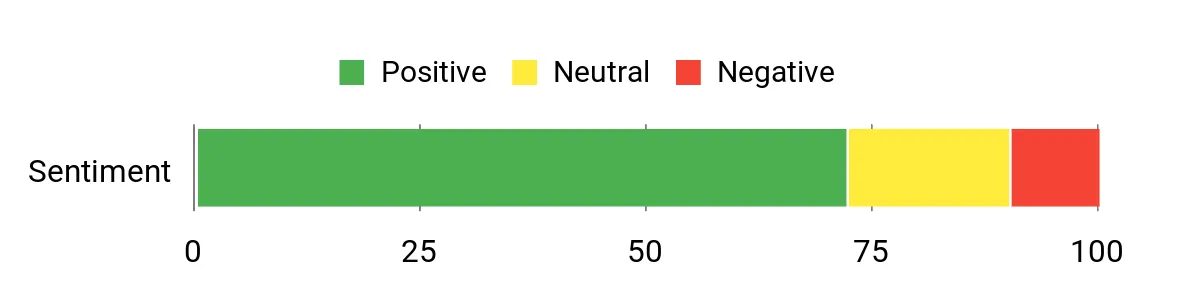
Review Snapshot
Check current reviews for connector wear, charging consistency, cable flexibility, and carrying-bag quality.
Safety
Confirm the EVSE output rather than assuming the vehicle will always limit current safely. Keep the cable uncoiled and protect it from vehicle tires.
Use Cases
This model suits routine 32A J1772 charging where 21 ft provides enough reach.
Key Benefits
- 32A seller-listed rating
- 21 ft reach without extra-long-cable bulk
- J1772 format for compatible vehicles
- Seller-listed IP66 protection and carrying bag
This model targets buyers who want higher advertised current capacity and standard 21 ft reach without stepping up to an extra-long cord.
Who should buy this: Value-focused J1772 users who can verify the cable rating and connector condition.
Who should avoid this: Avoid choosing it only because of the 48A label. Confirm conductor size, temperature rating, warranty, and listing details.
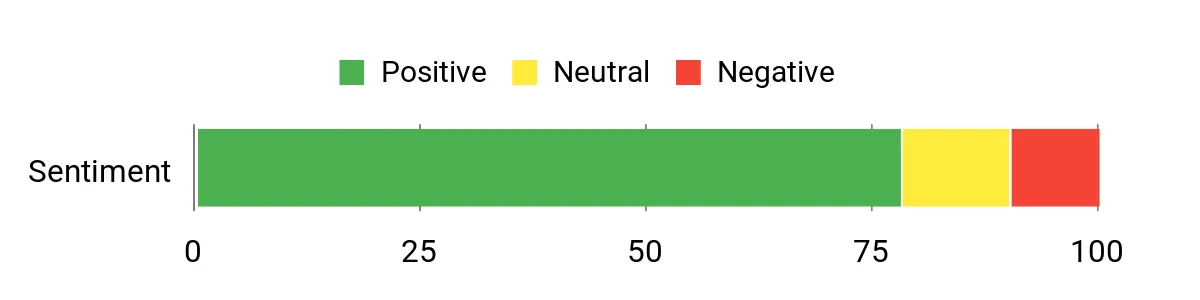
Review Snapshot
Check recent verified reviews for connector durability, cable weight, heat, and weather performance.
Safety
The listing describes an IP66 design and heavy-duty construction. Those claims do not replace proper circuit sizing, dry connector handling, or cable inspection.
Use Cases
This product is intended for regular J1772 AC charging where a 21 ft extension provides enough reach.
Key Benefits
- 48A seller-listed capacity
- 21 ft reach for common parking layouts
- J1772 compatibility for supported AC charging
- Carrying bag included
This cable solves parking gaps that standard 20 to 21 ft extensions cannot reach. The tradeoffs are extra weight, more cable to route, and greater need to manage heat and trip hazards.
Who should buy this: Buyers who genuinely need extra-long J1772 reach and can route the cable safely.
Who should avoid this: Skip it if a shorter cable will work. Extra length adds bulk and makes storage and routing more demanding.
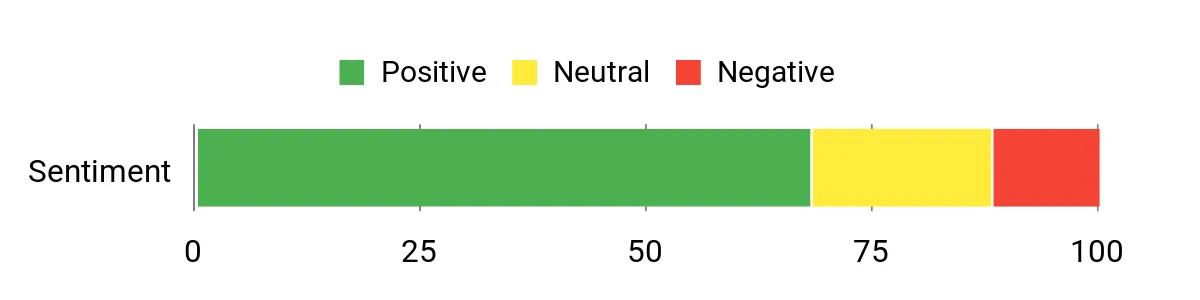
Review Snapshot
Check current reviews for voltage stability, cable weight, connector compatibility, and storage-pouch durability.
Safety
Use the shortest practical cable for the job. Fully uncoil this 40 ft cord, protect it from vehicles and foot traffic, and stop use if charging becomes unstable or any part becomes unusually hot.
Use Cases
This product is intended for unusual driveway, guest-parking, or curbside layouts where a shorter J1772 extension cannot reach.
Key Benefits
- 40 ft reach for distant parking layouts
- 40A seller-listed capacity
- Dust covers help protect connector surfaces
- Hard-shell pouch and straps support storage
FAQ
Are Extension Cables Safe for EV Charging?
A purpose-built EV charging extension may be usable when the connector, current rating, voltage rating, product markings, and manufacturer instructions all match your charging setup. Do not assume that a weatherproof label or high amp number makes every installation safe.
Inspect the cable before each use, fully uncoil it, keep connections off standing water, avoid daisy-chaining, and stop using it if you notice heat, looseness, discoloration, damaged insulation, or charging errors.
Should I Choose J1772 or NACS?
Choose the connector used by the charging cable that plugs into your vehicle. J1772 extensions are intended for compatible J1772 AC setups. NACS extensions are intended for compatible NACS AC setups. Do not rely on the vehicle brand alone because connector standards and adapter arrangements vary.
How Many Amps Should the Cable Support?
The extension’s verified current rating should meet or exceed the EVSE’s maximum output. Check the charger label or manual instead of guessing from the vehicle’s maximum charging rate.
Is a Longer EV Charging Extension Better?
No. Buy the shortest cable that reaches comfortably. A 20 to 21 ft extension is easier to route and store for many homes. A 40 ft cable is mainly useful for unusually distant parking.
Can I Use an EV Extension Cable in the Rain?
Only within the product’s verified environmental rating and manufacturer instructions. Keep the connector joint off the ground and away from puddles, protect the cable from damage, and never connect or disconnect equipment with wet hands.
Can These Extension Cables Be Used at DC Fast Chargers?
Do not use an extension at a DC fast charger or Supercharger unless the exact product is expressly approved for that application. The products in this roundup are presented as AC charging extensions.
Is an EV Charging Extension the Same as a Household Extension Cord?
No. The products in this roundup extend the vehicle-side charging connector. A household or RV-style extension cord sits between the outlet and the EVSE and creates a different set of electrical and safety concerns.
Wrapping Up
Start with connector compatibility. J1772 users can compare 32A, 40A, 48A, and 50A options based on the EVSE’s actual output. NACS users should confirm that the extension matches their AC charging equipment and vehicle inlet.
For most buyers, a 20 to 21 ft cable offers the best balance of reach, routing, and storage. Choose the 40 ft VEVOR only when a shorter extension cannot solve the parking problem.
Final recommendation: Prioritize verified compatibility and electrical ratings over price, scores, or marketing labels. A shorter, correctly rated cable from a clearly documented listing is usually a better choice than a longer or higher-amp option with uncertain specifications.
| Product Name | Image | Connector | Seller-Listed Rating | Length | Best For |
|---|---|---|---|---|---|
| SEGUMA NACS |
 |
NACS | Up to 50A / 240V | 21 ft | NACS everyday charging |
| SEGUMA 40A |
 |
J1772 | 40A / 240V | 21 ft | Balanced reach and capacity |
| SEGUMA 50A |
 |
J1772 | 50A / 240V | 20 ft | Higher-current J1772 setups |
| Wissandric 50A |
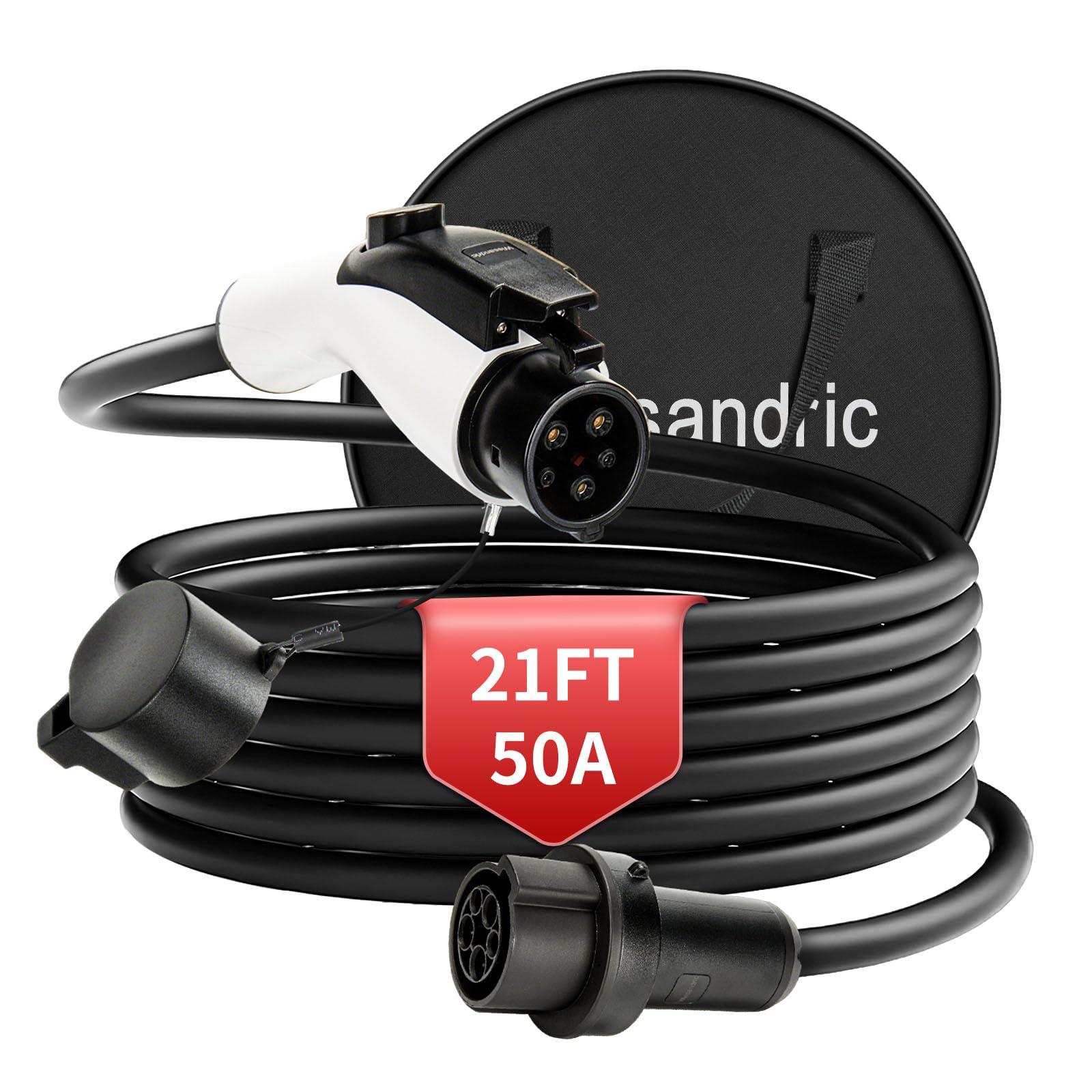 |
J1772 | 50A / 240V | 21 ft | Heavy-duty construction |
| EVPEIWE 48A |
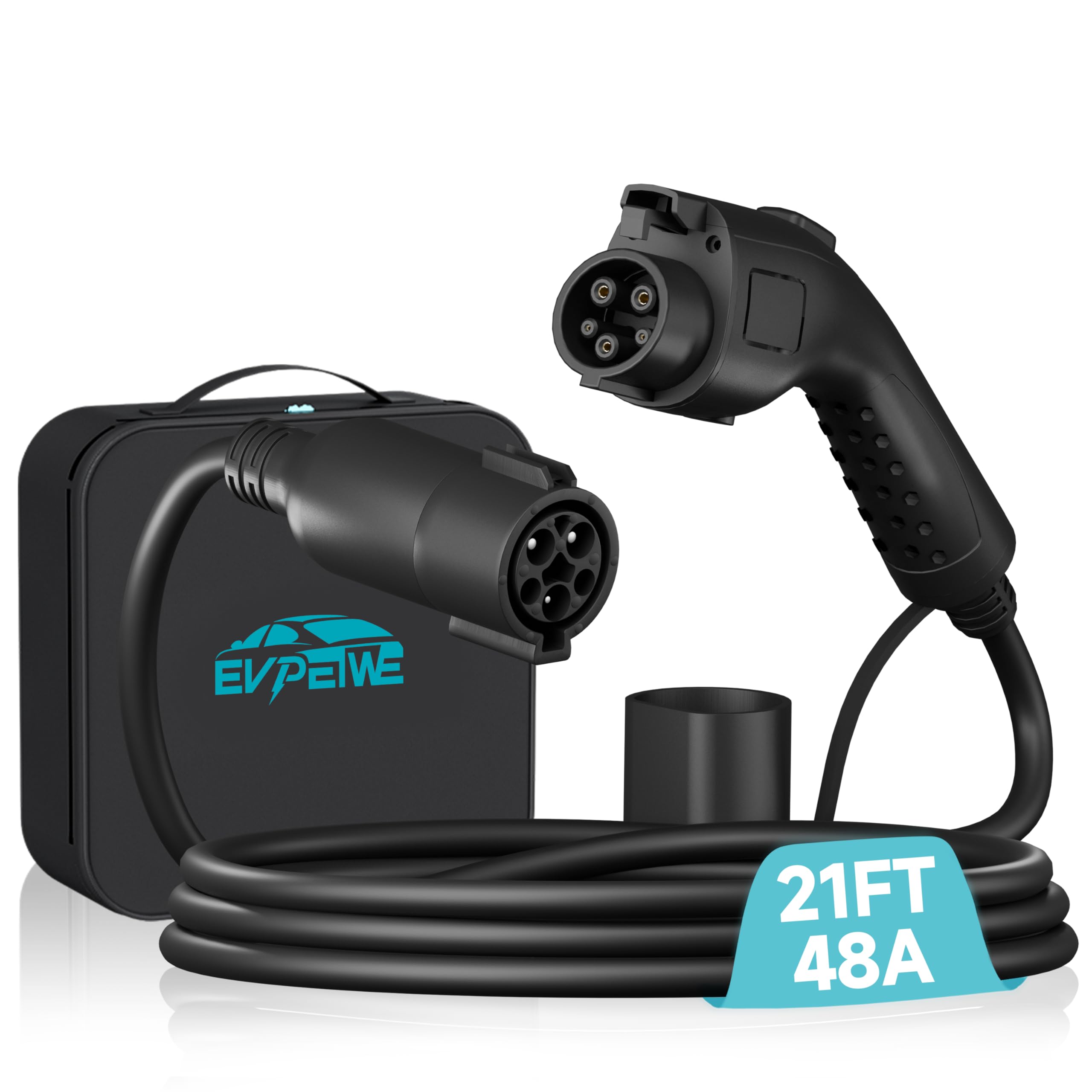 |
J1772 | 48A / 110–240V | 21 ft | Portable 48A option |
| VIVAVOLT NACS |
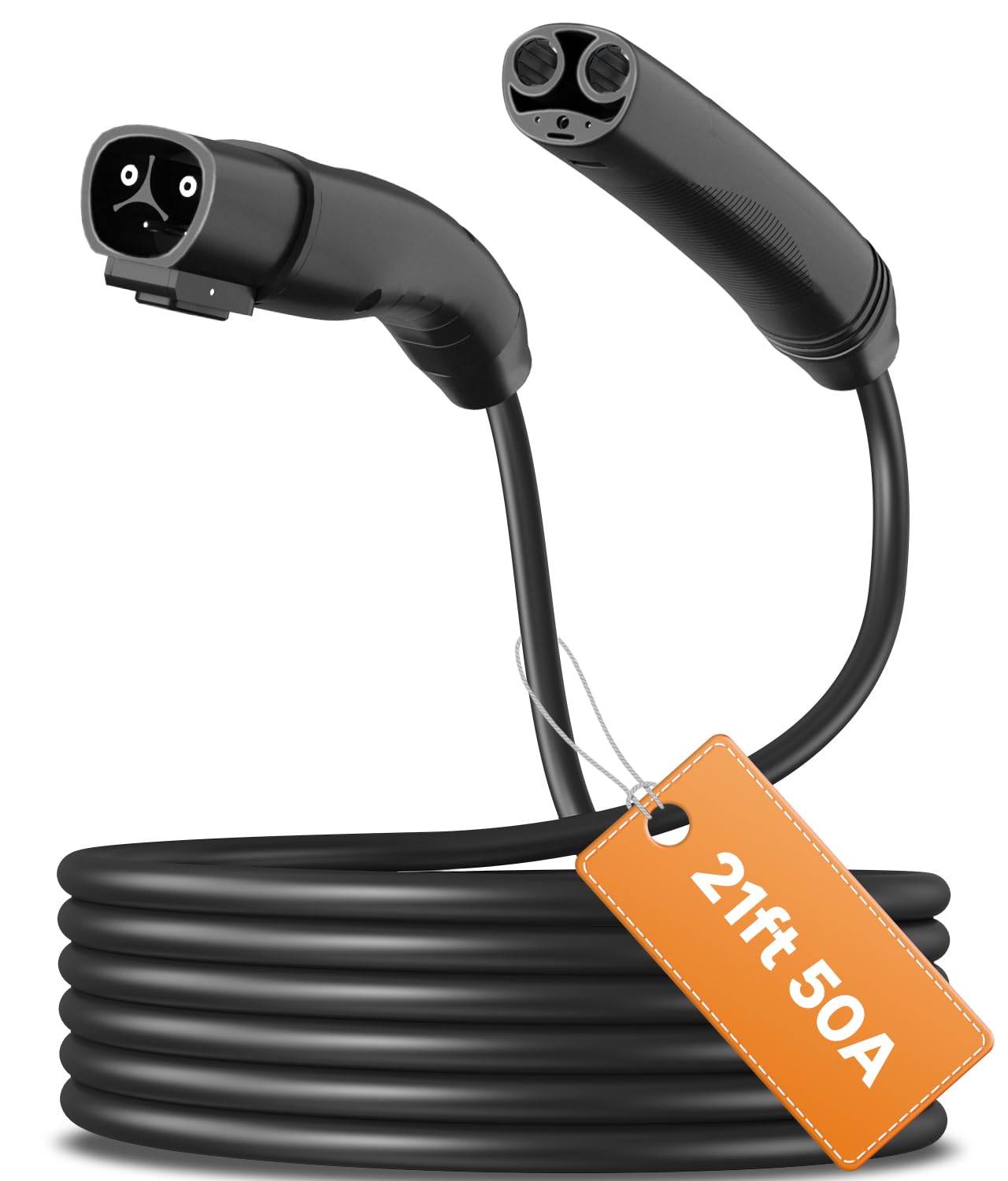 |
NACS | 48A / 240V | 21 ft | Safety-focused NACS buyers |
| SEGUMA 32A |
 |
J1772 | 32A / 110–240V | 21 ft | Moderate-current charging |
| VEVOR 48A |
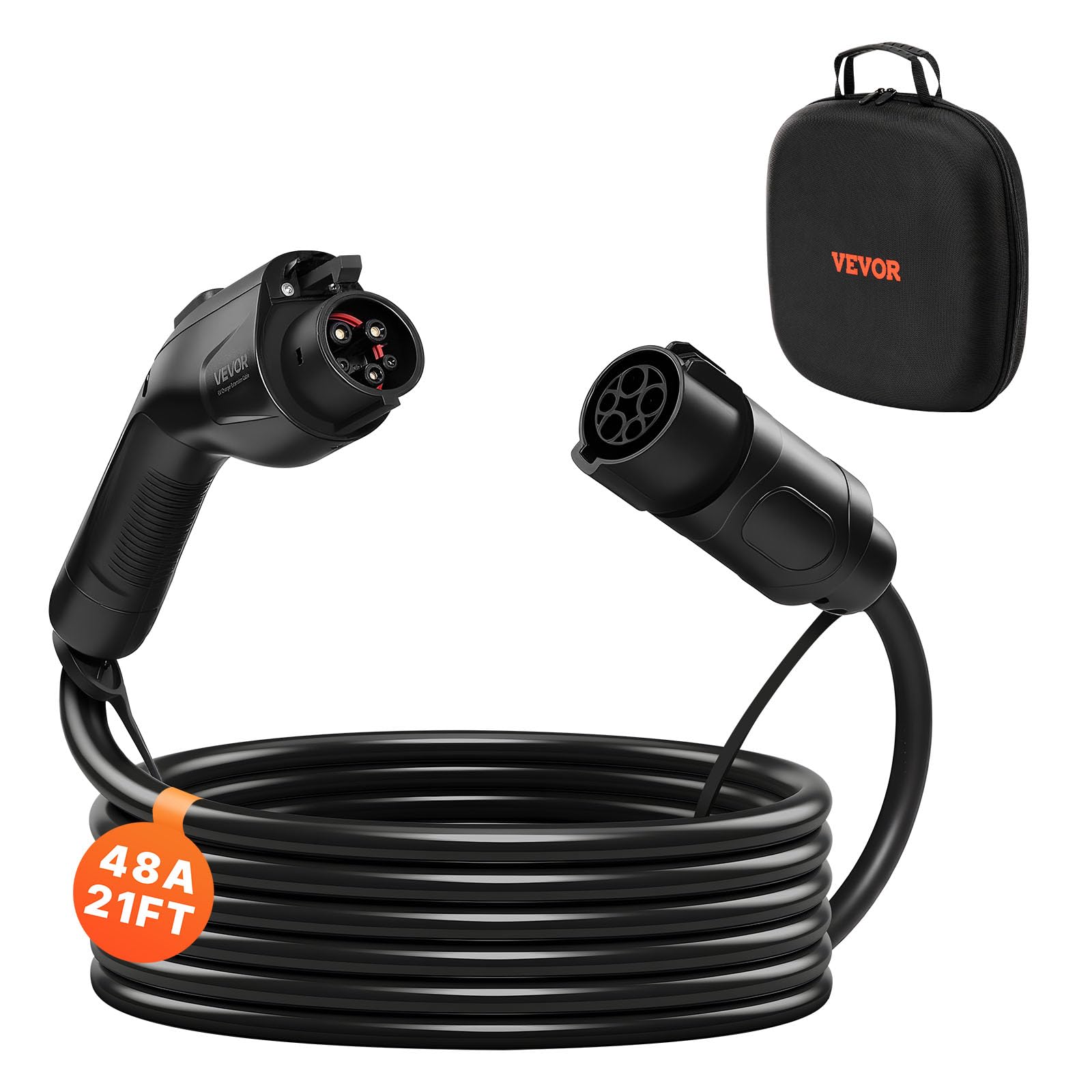 |
J1772 | 48A / 240V | 21 ft | Value-oriented 48A setup |
| VEVOR 40ft |
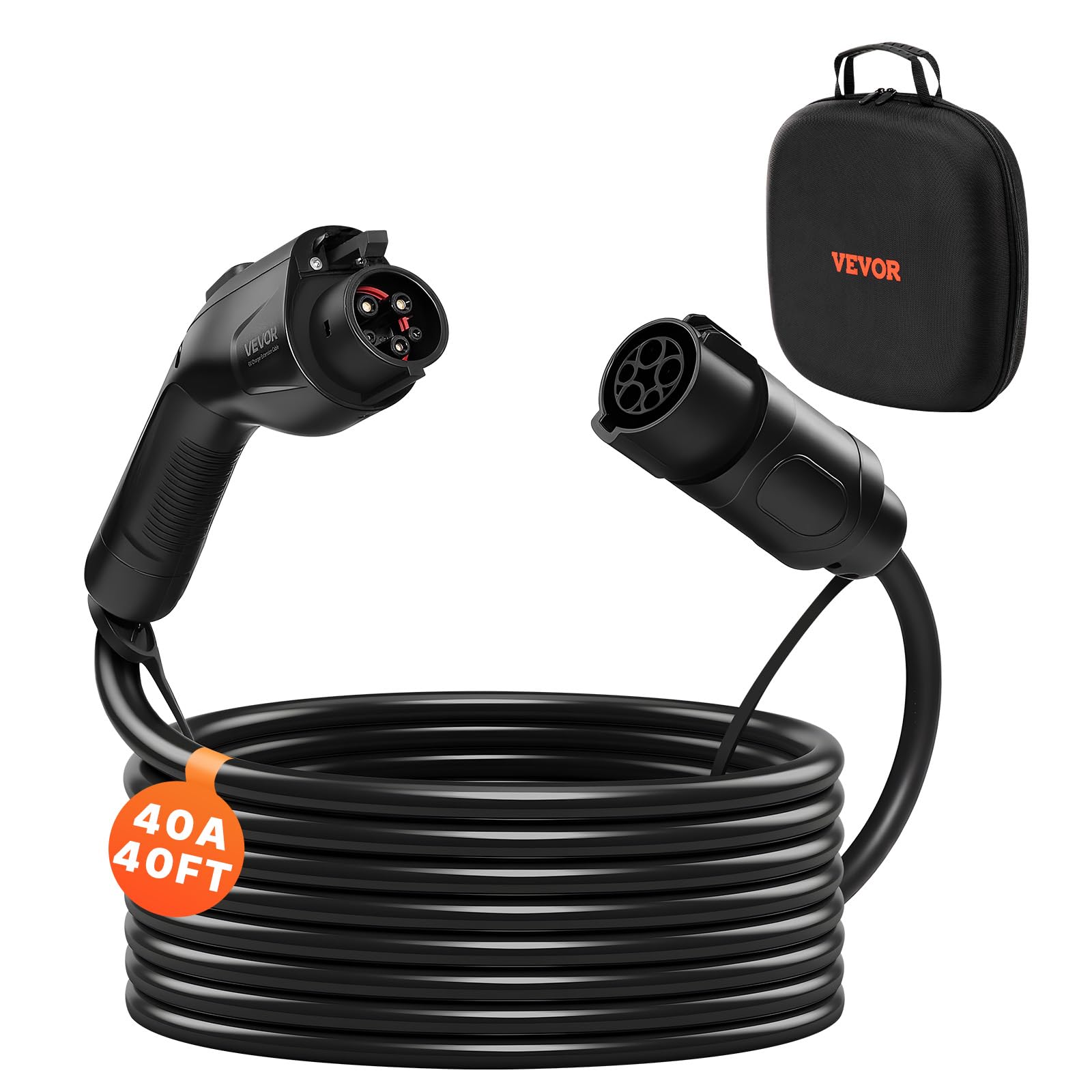 |
J1772 | 40A / 240V | 40 ft | Extra-long parking layouts |
This roundup is reader-supported. When you click through Amazon links, we may earn a referral commission on qualifying purchases.