
This Roundup is reader-supported. When you click through links we may earn a referral commission on qualifying purchases.
You want a portable power station or solar generator that can actually help with EV charging in an emergency, whether you are on a road trip, at a campsite, or dealing with an outage. Picking the right unit matters because EV charging needs steady output, clean inverter power, enough usable battery capacity, and the right EVSE setup.
Choosing carefully saves time and reduces frustration when you are away from the grid. The best options here are not replacements for public DC fast charging or a hardwired Level 2 home charger, but they can help with slow Level 1 top-ups, EV accessories, RV power, and home backup needs.
Quick Verdict
If you want the strongest EV emergency backup option, start with the Anker F3800 or EcoFlow DELTA 3 Max. If you want a more balanced portable station for camping, RV use, and short Level 1 top-ups, the Anker SOLIX C1000 and Jackery Explorer 1000 v2 are easier to move. For home outage planning, the Jackery HomePower 3600 gives you a larger backup setup with solar support.
Important: Always confirm your EVSE input requirements, grounding behavior, cable rating, and vehicle manual before charging an EV from any portable station.
Top Picks
|
Category |
Product |
Score |
|---|---|---|
|
🏆 Best For Heavy Loads |
95/100 |
|
|
🚀 Best Ultra Capacity |
92/100 |
|
|
💼 Best Whole-Home Backup |
90/100 |
|
|
⚡ Best Fast Charging |
89/100 |
|
|
⭐ Best Portable Balance |
85/100 |
How We Picked
You need to match a power station’s capabilities to how you plan to charge an EV. We prioritized usable capacity (Wh), continuous and surge output (W), and inverter quality because those determine whether an EV charger will run reliably.
Recharge speed and support for solar inputs matter when you’re off-grid and want faster turnaround. Portability and weight affect how easy it is to move the unit between trunk, campsite, and home. We also weighed real-world factors like number and type of ports, warranty and reliability, and overall value so that each pick fits a clear use case.
Before You Buy
- Check continuous wattage first: EV charging needs steady power, not just a short surge rating.
- Look at usable battery capacity: A 1kWh station may only add a small amount of range after inverter losses.
- Use a proper EVSE: Do not wire a power station directly into your vehicle.
- Confirm grounding requirements: Some EV chargers may not work with certain portable stations unless the setup meets the EVSE manual.
- Plan for slow charging: These units are best for backup and emergency top-ups, not fast charging.
You’ll notice this unit when you need serious portable power without a heavy generator. With about 1,070Wh of usable capacity and a 1,500W inverter, it can run laptops, kitchen appliances in eco modes, Starlink or small AC units for short stretches, and provide limited emergency power for compatible Level 1 EV charging setups.
The 1-hour fast recharge and USB-C output make it convenient for quick turnarounds at home between trips, and solar compatibility keeps it useful when you’re off the grid. If you want a balance of high output and portability for weekend RVing or emergency backup, this one hits a practical sweet spot.
What People Say
Buyer feedback often points to the Explorer 1000 as a dependable workhorse for RVs and emergency kits, with praise for fast recharge and the variety of outlets. Many users like the blend of capacity and portability for keeping devices and small appliances running when power is limited.
Overall Sentiment: Positive

Versatility
You can use it for overnight RV setups, running networking gear like Starlink, powering CPAPs or small refrigerators, and supporting short emergency EV top-ups when your charger and vehicle allow it. It’s flexible enough for weekend trips and serious enough to serve as temporary backup for essentials.
Energy Efficiency
The LiFePO4 pack offers stable discharge and many recharge cycles, so you’ll get reliable capacity over time. Fast AC recharge and efficient inverter performance minimize downtime, though heavy continuous loads will drain capacity faster than lighter eco-mode use.
Who Should Buy This
Pick this if you want a portable unit that can still handle meaningful appliance loads, RV gear, and occasional EV emergency charging without moving into very heavy home-backup territory.
Who Should Avoid This
Skip it if you expect long EV charging sessions or want to run a full home circuit panel. You’ll need a larger station for that.
Key Benefits
- High usable capacity for short emergency runs
- 1,500W continuous output with 3,000W surge for appliances
- 1-hour fast recharge to reduce downtime
- LiFePO4 battery chemistry for longer cycle life
- Multiple AC and USB ports for versatile charging
You get a rare mix of speed and capacity with this unit: a roughly 1,024Wh LiFePO4 pack paired with a 2,000W inverter and a 49-minute full charge capability. It’s built to handle campsite setups, home backup for essentials, and longer RV runs where you need multiple outlets and quick turnaround between uses.
The layout of AC, DC and USB ports keeps your laptop, CPAP, small fridge and networking gear powered at once, and the rapid recharge means less waiting when you’re back at a wall or on solar. For EV use, treat it as a short emergency top-up option rather than a long-range charging solution.
What People Say
People often highlight the charging speed and the balance between power and portability, noting it charges fast and runs several devices at once. Many mention the variety of outlets and the convenience of app connectivity, and users appreciate that it handles RV and camping needs without feeling oversized.
Overall Sentiment: Positive

Versatility
You can rely on it to run CPAP machines, power small refrigerators in eco mode, keep networking kits like Starlink online, and charge multiple devices while camping. It’s well suited for weekend trips, RV living, and as a dependable emergency backup for essential household gear.
Energy Efficiency
LiFePO4 chemistry delivers stable discharge and many cycles, so capacity holds up over time. The rapid recharge option reduces idle time between uses, and the inverter performs efficiently for mixed loads, though very heavy continuous draws will shorten runtime faster than lighter, eco-mode appliances.
Who Should Buy This
Pick this if fast wall recharge matters and you want a portable station that can power heavier devices while staying easier to carry than large home-backup units.
Who Should Avoid This
Skip it if your main goal is adding many EV miles during an outage. Its output is strong, but the 1,024Wh capacity limits EV range gain.
Key Benefits
- Ultra-fast full charge in about 49 minutes
- Robust 2,000W continuous output with 3,000W peak
- 1,024Wh LiFePO4 battery for long cycle life
- Multiple AC, DC and USB ports for simultaneous use
- Solar compatibility and a lengthy manufacturer warranty
You’re looking at a serious home-scale power hub rather than a small camping pack. The HomePower 3600 combines a large LFP battery with a 3,600W inverter and two 200W solar panels so you can run refrigerators, routers, lights and other essentials during an outage.
It’s heavy, but the wheeled design and carry points make moving it manageable, and setup is basically plug and play: place the panels, connect, and you have a ready backup. If you want peace of mind for short to multi-day outages or a robust RV power supply that’s easy to scale, this unit gives you a practical, expandable solution.
What People Say
Users frequently mention how reassuring it is to have enough capacity to keep fridges, routers and lights running through outages, and they appreciate the included panels so the system is ready out of the box. Many note the unit is heavy but easy to move on wheels, and a few people ask for more advanced app notifications for solar performance.
Overall Sentiment: Positive

Versatility
You can use it as a primary emergency backup for critical circuits, a long-range RV power source, or a central piece of a small off-grid setup. Its expandability makes it useful if your needs grow, shifting from weekend backup to multi-day home support without changing brands or platform.
Energy Efficiency
The LFP chemistry offers stable discharge and long cycle life, and the inverter runs efficiently for mixed loads so you get sensible runtime from the battery. Solar input reduces reliance on wall charging, though panel placement and sunlight will affect recharge speed and daily throughput.
Who Should Buy This
Pick this if your EV charging plan is part of a wider outage setup that also needs to run appliances, networking gear, lights, or RV systems.
Who Should Avoid This
Skip it if you need a light trunk-friendly station. This is a home-backup style unit, so portability is secondary.
Key Benefits
- Large 3,584Wh LFP capacity for extended backup
- 3,600W continuous output to run essential appliances
- Includes two 200W solar panels for off-grid charging
- Expandable up to 21kWh to scale with needs
- Wheeled design and simple install for easier handling
You’re looking at a high-capacity, fast-recharging unit that bridges the gap between portable stations and true home backup. With roughly 2,048Wh of LFP capacity and a high-output inverter, this model can keep refrigerators, routers, power tools and essential circuits running through outages, and it charges back very quickly so you spend less time waiting.
It’s solid for RV setups and serious camping where multiple high-draw devices run at once. Its capacity and output also make it a more realistic emergency EV top-up option than compact camping stations, as long as your charging setup is compatible.
What People Say
Users frequently call out the charging speed and the ability to run several demanding devices at once, noting that the unit feels far more capable than smaller power stations. Many appreciate the long-life LiFePO4 battery and the sense of reliability it brings for outages and trips, while a common tradeoff mentioned is the unit’s weight compared with compact models.
Overall Sentiment: Positive

Versatility
You can use it to power critical home circuits during outages, run RV air movers and small AC units in eco mode, keep networking gear and medical devices online, and provide useful top-ups to EVs or vehicle accessories for short periods. It’s built to handle mixed loads across daily, travel and emergency scenarios rather than continuous full-speed EV fast charging.
Energy Efficiency
The LiFePO4 chemistry delivers stable discharge and many cycles so capacity holds up over years, and the inverter is efficient for variable loads. Ultra-fast recharge minimizes idle time, but sustained high-wattage draws will naturally reduce overall efficiency and shorten runtime compared with lighter use.
Who Should Buy This
Pick this if you want a powerful portable station for EV emergency planning, home essentials, RV trips, and tools without stepping into the heaviest battery systems.
Who Should Avoid This
Skip it if you only need phone and laptop power. It is more capacity and weight than casual campers need.
Key Benefits
- Very high output for heavy appliances and tools
- Large 2,048Wh LiFePO4 pack for extended runtimes
- Ultra-fast recharge cuts downtime dramatically
- Portable alternative to gas generators with clean power
- Expandable and feature-rich for home and RV use
You’re looking at a heavyweight portable station built to replace noisy gas generators for demanding jobs. With roughly 3,840Wh of LiFePO4 capacity and a very high AC output, this unit can run power tools, multiple appliances, shop equipment and 240V devices that smaller stations can’t touch.
It’s bulky, so plan for a spot in a garage or the back of a truck, but the payoff is clean, quiet power and the ability to run serious loads during outages or while you work off the grid. If your needs include running a workshop, keeping appliances online, powering large RV systems, or planning emergency EV top-ups, this one gives you the headroom you’ll appreciate.
What People Say
Users commonly praise the F3800 for how much real, usable power it delivers compared with smaller stations, noting its ability to run tools and larger appliances. Many also point out the peace of mind of having a durable LiFePO4 pack and the convenience of modern connections, while some mention the unit’s weight and the need for a plan to move or store it.
Overall Sentiment: Positive

Versatility
Use it to power workshop tools, run refrigerators and medical devices during outages, keep RV air and kitchen systems operating, and support 240V equipment that smaller power stations can’t handle. It can also run EV accessories and provide emergency top-ups with the right EVSE and adapter setup, but full EV fast charging still relies on dedicated charging infrastructure.
Energy Efficiency
LiFePO4 chemistry gives you long cycle life and stable performance, and the inverter handles mixed loads efficiently. Expect the best efficiency with varied or cyclical loads; sustained maximum output will drain capacity faster and generate more heat, which can slightly reduce effective runtime.
Who Should Buy This
Pick this if you want the most capable option here for backup power, 120V/240V flexibility, RV use, tools, and emergency EV charging support.
Who Should Avoid This
Skip it if you need easy one-hand portability or only want a small camping battery. This is a large backup station.
Key Benefits
- Very large 3,840Wh LiFePO4 pack for extended runtimes
- Up to 6,000W AC output to handle heavy appliances and tools
- 120V/240V support for broader device compatibility
- Multiple outlet types so you can run several devices at once
- Cleaner, quieter alternative to gas generators for home and shop
FAQ
Can a Portable Generator Charge My EV
Yes, but usually only as a slow, emergency option rather than a full replacement for dedicated chargers. Most portable power stations and small gas generators can run an EV charger at Level 1 (120V) or supply an EVSE for slow trickle charging, but they rarely offer the sustained high output needed for practical Level 2 charging or DC fast charging.
If you plan to top up your battery on the road, make sure the unit has a clean pure sine inverter, the continuous wattage to run your EVSE, and enough usable capacity to deliver meaningful range before you need to recharge the generator itself.
How Do I Pick The Right Unit For EV Top-Ups
Start by checking your EV’s onboard charger rating and decide how much range you want to add on a single outing. Focus on two specs: the unit’s continuous output in watts and its usable capacity (Wh), because capacity tells you how many kilowatt-hours you can actually send to the car.
For context, adding meaningful EV range takes far more energy than charging phones, laptops, or camping gear. Choose larger capacity and higher continuous output if you need more than a tiny emergency buffer, and factor in recharge speed and whether you’ll rely on solar or wall charging between uses.
Is It Safe And Legal To Use A Portable Generator With My EV
You can do it safely if you follow manufacturer guidance and use the right equipment, but there are important rules to follow. Always use a proper EVSE or certified adapter rather than wiring directly into the vehicle, keep gas generators outdoors and ventilated, ensure cable and connector amperage match your setup, and never backfeed your home without a transfer switch or approved interlock.
Check your vehicle and generator manuals to confirm compatibility and any warranty implications, and consult a qualified electrician before tying systems together.
Which Size Power Station Is Best For EV Emergency Charging
For EV emergency charging, bigger is usually better. A station around 1,000Wh can help with very small top-ups or EV accessories, but a 2,000Wh to 4,000Wh station gives you more useful runtime and more flexibility. If you also want to run home appliances, RV systems, or tools, prioritize higher continuous output and expandability.
Can Solar Panels Fully Recharge These Stations For EV Use
Solar panels can help, but they are usually better for extending runtime than quickly replacing a full EV charge. Panel wattage, weather, shade, and sun angle all affect real-world recharge speed. If EV charging is the main goal, choose a station with strong AC recharge and treat solar as a backup or supplement.
Wrapping Up
If your priority is charging an EV with minimal fuss, you’ll want a unit with high continuous wattage, enough usable battery capacity, and strong inverter performance. For heavy loads and near-home EV emergency support, choose a high-capacity station like the EcoFlow DELTA 3 Max or the Anker F3800.
If you want a balance of portability and meaningful output, the Jackery Explorer 1000 v2 or the Anker SOLIX C1000 are sensible choices for short top-ups, RV gear, and backup power. For broader home outage planning, the Jackery HomePower 3600 gives you more capacity and solar support.
Match the pick to whether you need long runtime, fast recharge, or easier transport, and you’ll get the most practical result for your EV charging needs.
| Product Name | Image | Battery Capacity | Output Wattage | Weight | Best For |
|---|---|---|---|---|---|
| Jackery Explorer 1000 v2 Portable Power Station |
 |
1,070Wh | 1,500W | 23.8 lbs | Portable emergency top-ups |
| Anker SOLIX C1000 Gen 2 Portable Power Station |
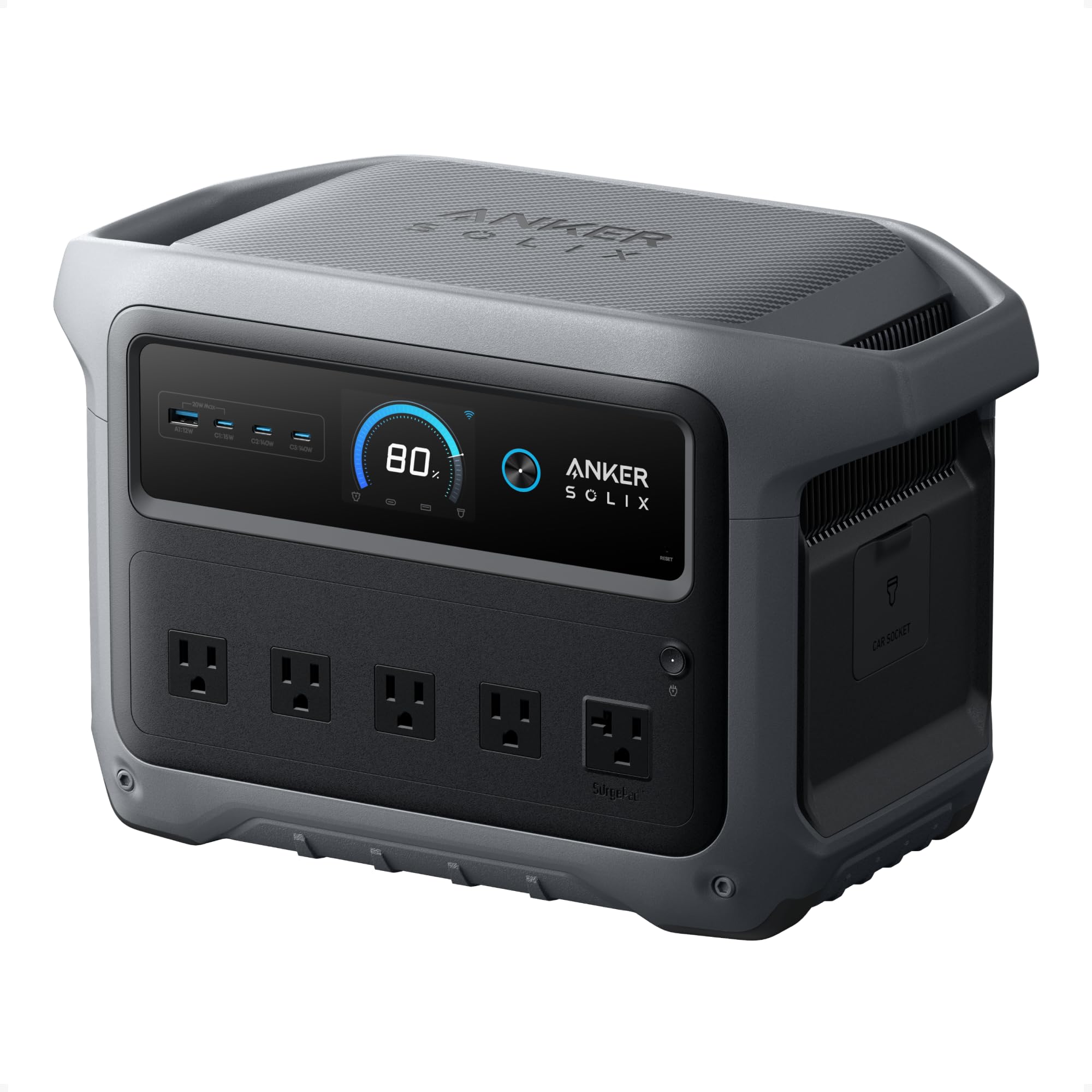 |
1,024Wh | 2,000W | 24.9 lbs | Fast recharge |
| Jackery HomePower 3600 Plus Portable Power Station |
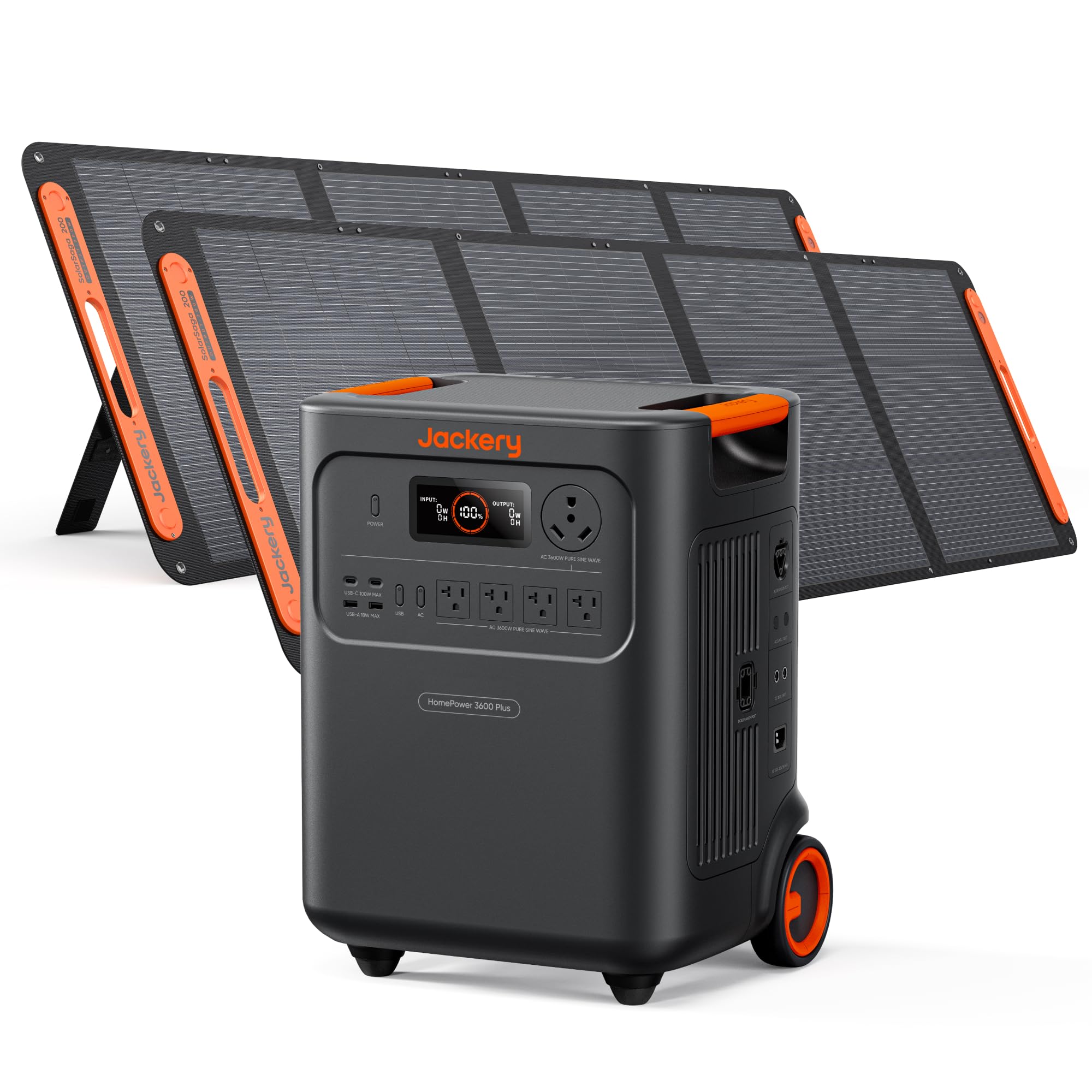 |
3,584Wh | 3,600W | 77.16 lbs | Whole-home backup |
| EF ECOFLOW Portable Power Station DELTA 3 Max |
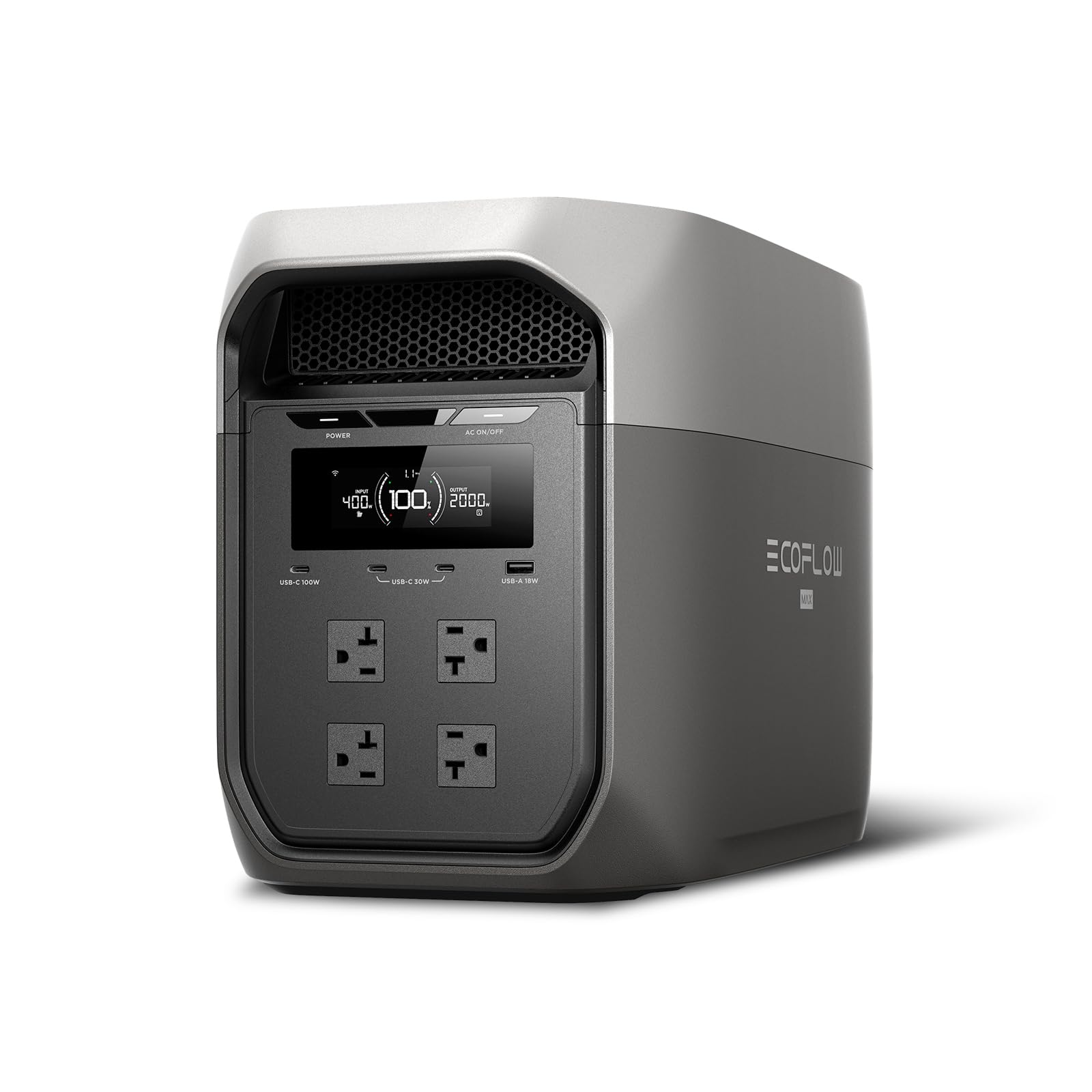 |
2,048Wh | 3,400W | 51.8 lbs | Heavy mixed loads |
| Anker SOLIX F3800 Portable Power Station |
 |
3,840Wh | 6,000W | 132.28 lbs | Maximum backup headroom |
This Roundup is reader-supported. When you click through links we may earn a referral commission on qualifying purchases.