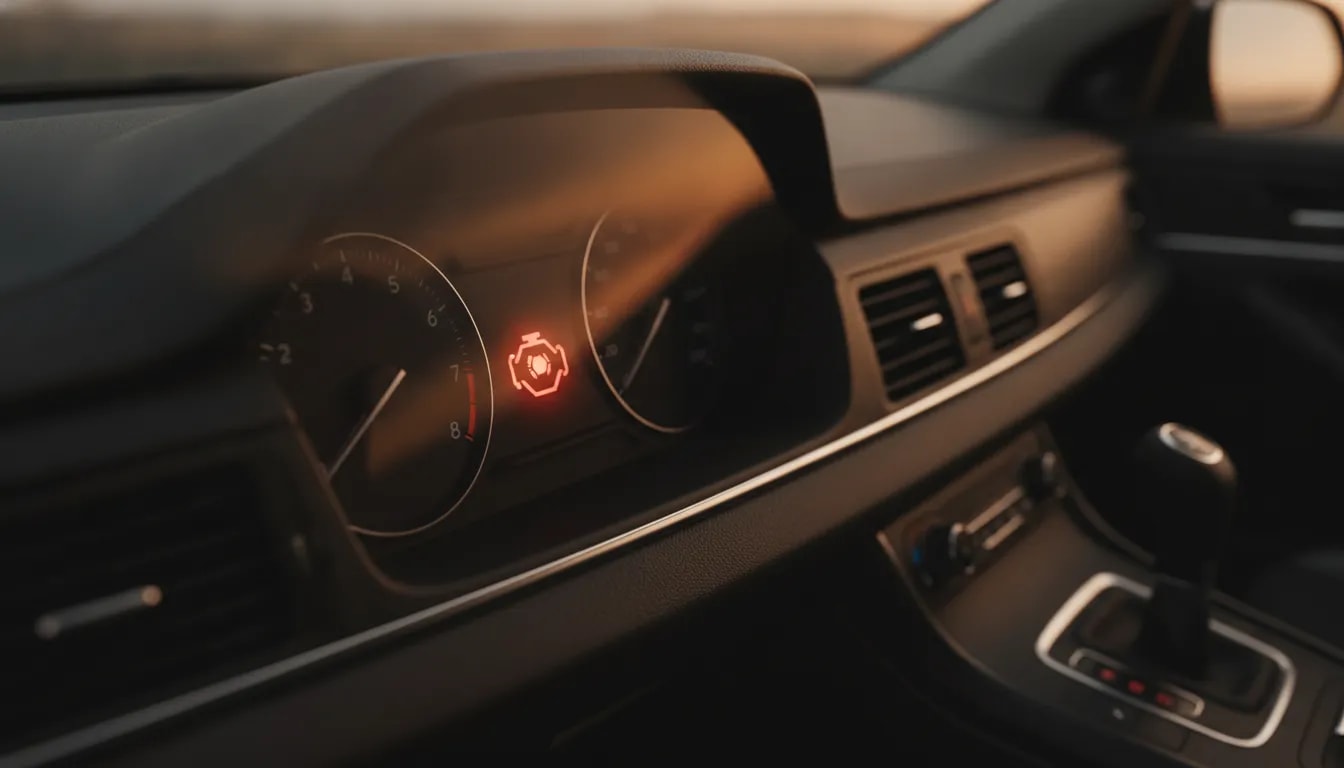
A DPF warning light does not automatically mean your diesel particulate filter needs replacing. If soot buildup is caught early, a suitable highway drive may allow the filter to regenerate. If that does not work, diagnostic testing and forced regeneration can be much cheaper than a new filter.
The sensible approach is to confirm the warning, follow your vehicle’s regeneration instructions, and investigate persistent problems before authorizing replacement. A heavily blocked filter needs professional attention, but an early regeneration request may have a simpler solution.
Key Takeaways
- A DPF warning does not automatically mean the filter needs replacement.
- A manufacturer-approved regeneration drive may clear early soot buildup without a repair bill.
- Persistent warnings need diagnosis before forced regeneration, physical cleaning, or replacement.
- Recurring DPF problems require investigation of driving habits and underlying engine faults.
Table of Contents
- What Does the DPF Warning Light Mean?
- Choose the Next Step Based on the Vehicle’s Condition
- How to Try a DPF Regeneration Drive
- Forced Regeneration: DIY Scanner or Diesel Specialist?
- When Does a Blocked DPF Need Cleaning or Replacement?
- Do DPF Cleaner Additives Unblock the Filter?
- Why Does the DPF Light Keep Coming Back?
- How to Reduce Future DPF Problems
What Does the DPF Warning Light Mean?
The diesel particulate filter, or DPF, captures soot from the exhaust to reduce emissions. It periodically needs to remove that soot through regeneration, a process that uses high exhaust temperatures to burn it off.
A DPF warning commonly indicates that soot has accumulated and normal regeneration has not adequately cleared it. Frequent short trips and stop-start traffic can contribute because the exhaust does not stay hot enough for long enough.
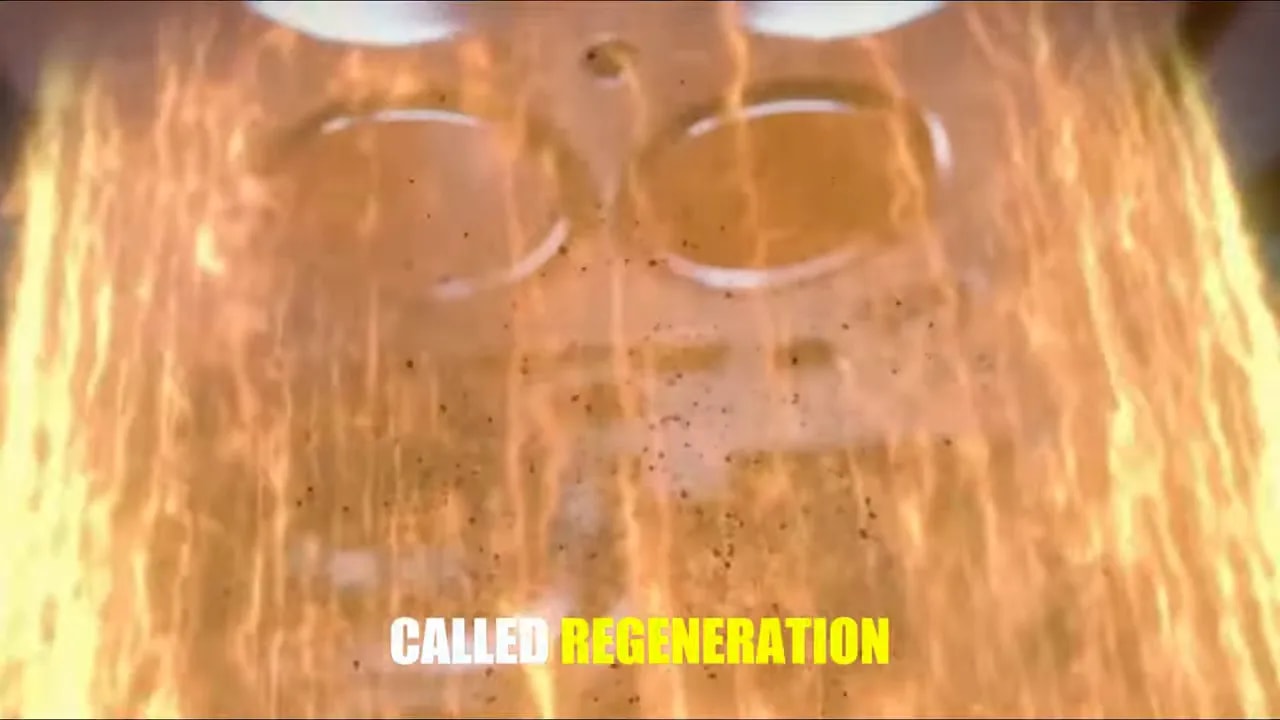
Check the owner’s manual to confirm the symbol and the required response. A DPF warning is not the same as a general check-engine light, and a faulty sensor or another engine problem can also be involved.
Ignoring the warning can allow the blockage to worsen, potentially leading to reduced-power limp mode and, in severe cases, starting problems. Acting early gives you a better chance of resolving the issue without physical cleaning or replacement.
Soot and ash require different solutions
Regeneration burns soot, but it does not remove accumulated ash. This distinction explains why a drive can help one filter while another needs to be removed and cleaned.
- Soot buildup: May respond to a regeneration drive or a diagnostic-tool-controlled regeneration.
- Ash or stubborn deposits: May require professional physical cleaning.
- A filter that cannot be restored: May need replacement after assessment.
A warning light alone does not tell you which situation applies. Nor does one unsuccessful regeneration attempt automatically prove that the filter needs replacing.
Choose the Next Step Based on the Vehicle’s Condition
Before spending money, use this basic decision guide:
- The DPF warning has appeared and the vehicle drives normally: Check whether the owner’s manual recommends a regeneration drive.
- A suitable drive does not clear the warning: Arrange diagnostics and consider forced regeneration if the vehicle permits it.
- The vehicle is in limp mode, will not start, or has additional engine warnings: Seek professional assessment rather than treating it as a routine highway-drive fix.
- A scanner refuses regeneration or reports excessive blockage: Do not try to bypass the restriction. Have a diesel specialist investigate.
- The warning repeatedly returns: Look for the underlying cause, not just another way to clear the light.
How much do the options cost?
The following dollar ranges are approximate budgeting figures. Get a vehicle-specific quote before committing to work.
| Option | Approximate cost | When it may help |
|---|---|---|
| Regeneration drive | No service charge, but fuel costs apply | Early soot buildup when the vehicle allows a driving regeneration |
| DPF-capable diagnostic scanner | $150 to $300 for the more advanced options discussed here | Compatible DIY diagnostics and forced regeneration |
| Professional forced regeneration | $100 to $200 | A road drive has not worked, or you prefer professional assistance |
| Professional DPF cleaning | $250 to $500 | Deposits cannot be adequately removed through regeneration |
| DPF replacement | $1,000 to $2,500 | The filter cannot be restored through appropriate treatment |
How to Try a DPF Regeneration Drive
A sustained road drive can give the exhaust system the heat and time needed to clear soot. This is sometimes called an “Italian tune-up,” but the useful principle is steady, sustained driving, not aggressive acceleration.
Only attempt it when the vehicle’s instructions allow it and the vehicle is operating normally.
- Read the regeneration instructions. Use the speed, engine-speed, gear, and duration guidance specified for your vehicle.
- Check your fuel level. Have enough fuel to complete the drive without a planned refueling stop. Many vehicles will not initiate regeneration with low fuel.
- Warm the engine and choose a suitable route. Look for a road where you can maintain steady progress safely and legally.
- Allow adequate time. A sustained run of roughly 30 to 50 minutes is a useful planning range, subject to the manufacturer’s instructions.
- Avoid unnecessary interruptions. Give the regeneration a chance to finish, but never put completing the cycle ahead of road safety.
- Check the result. If the warning remains after the prescribed procedure, move to diagnosis rather than repeatedly driving harder.
What speed and RPM should you use?
General advice sometimes suggests more than 40 mph and engine speeds above 2,500 RPM. Do not treat those numbers as universal requirements. The appropriate conditions depend on the vehicle, so its owner’s manual takes priority over a generic RPM target.
The objective is sufficient exhaust temperature over a sustained period. Simply revving the engine is not equivalent to following the vehicle’s regeneration procedure.
How can you tell regeneration is happening?
Possible signs include louder cooling fans, a change in idle behavior, and a hot smell from the exhaust. These are clues, not proof that the filter has been cleared.
After successful regeneration, the warning may extinguish shortly afterward. Do not assume every vehicle will clear it within an exact number of minutes. A persistent warning needs further investigation.
Repeatedly ending regeneration before it completes can leave soot in the filter. Plan enough time for the process rather than relying on another short trip.
Forced Regeneration: DIY Scanner or Diesel Specialist?
Forced regeneration uses diagnostic equipment to request a controlled regeneration cycle. The engine-management system raises exhaust temperature, including through additional fueling, to help burn accumulated soot.
It is a possible next step after an unsuccessful regeneration drive, but only if the vehicle’s diagnostic system considers the procedure appropriate.
Choosing a scanner that actually supports DPF regeneration
A basic OBD-II code reader is not necessarily capable of forced regeneration. Readers costing around $20 to $50 may read faults without offering the required service function.
More advanced options from brands such as Autel, Launch, and Foxwell may support DPF service functions, with suitable models in the approximate $150 to $300 range. Confirm support for your exact vehicle and the regeneration function before buying. A brand name alone does not establish compatibility.
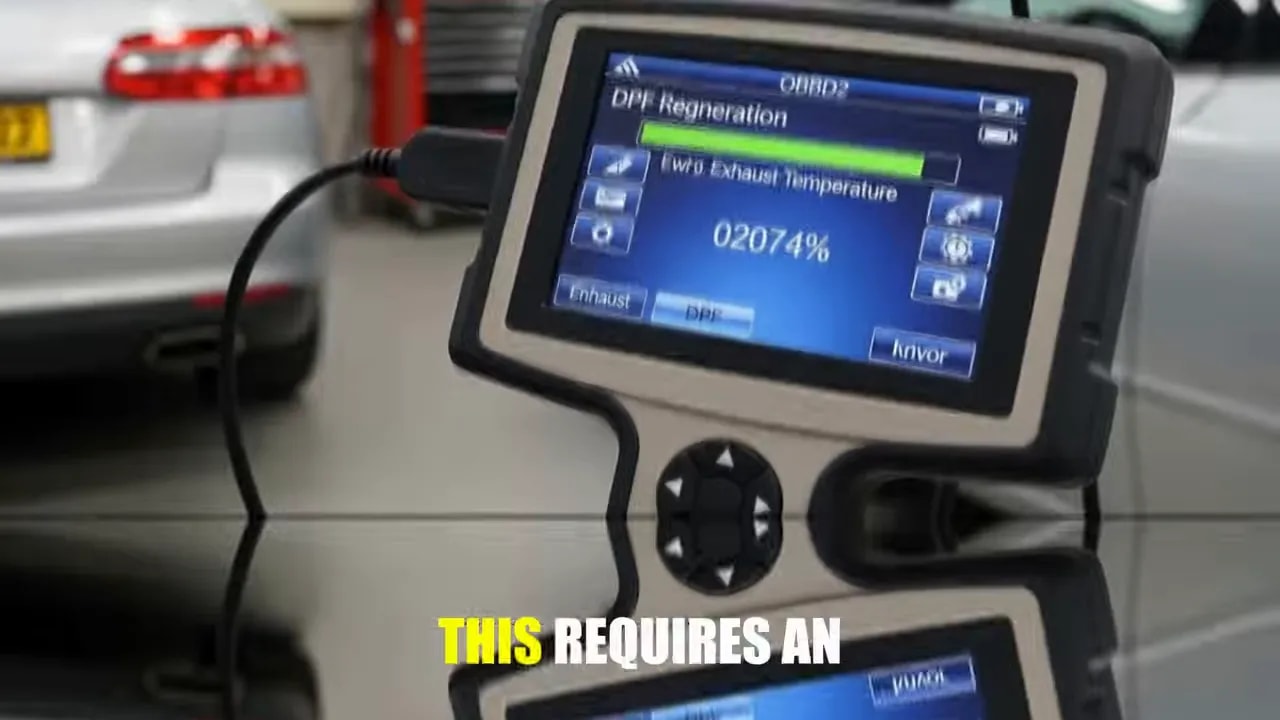
A scanner can be useful if you are comfortable with diagnostics and will use it again. For a one-off problem, paying a specialist may make more sense than buying equipment.
What a scanner-controlled regeneration involves
- Connect the compatible scanner to the vehicle’s OBD-II port.
- Read the faults and follow the tool’s vehicle-specific instructions.
- Select the relevant DPF regeneration service function.
- Meet all listed prerequisites before starting.
- Allow the procedure to finish and review the reported result.
A forced regeneration cycle may take approximately 20 to 40 minutes. Cooling fans can run strongly, and the exhaust becomes very hot.
Do not run a stationary forced regeneration in an enclosed garage. Use an appropriate outdoor location and follow every safety instruction from the manufacturer and diagnostic tool. Keep the hot exhaust away from combustible materials.
If the tool refuses to start the procedure, reports excessive blockage, or records a failed cycle, stop and seek professional help. Repeated attempts are not a substitute for finding out why regeneration cannot complete.
When professional forced regeneration is the better choice
A diesel specialist or dealership can perform forced regeneration without you purchasing a scanner. The approximate cost is $100 to $200, with the visit often taking one to two hours.
The benefit is not just access to the service function. Professional equipment can monitor more parameters, and a technician can investigate faults that prevent regeneration or cause excessive soot production.
Ask the shop to assess the cause of the warning, particularly if it has returned after a previous regeneration. A professional tool may help where a consumer tool could not, but it cannot make every blocked filter suitable for regeneration.
When Does a Blocked DPF Need Cleaning or Replacement?
If regeneration cannot clear the deposits, professional physical cleaning may be the next option. The filter is removed, treated with specialized equipment to remove deposits, and reinstalled.
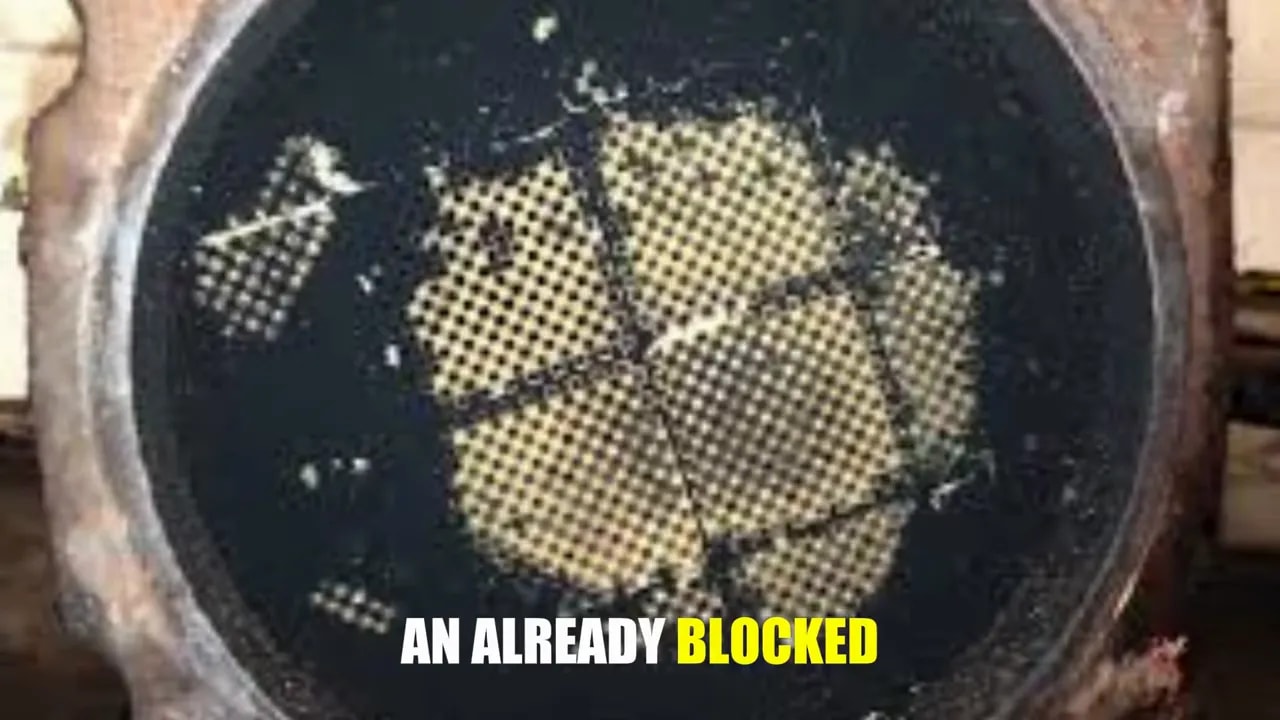
Professional DPF cleaning is different from pouring an additive into the fuel tank. Its purpose is to remove material that a regeneration cycle cannot adequately clear, including accumulated ash.
Cleaning may restore the filter and extend its service life, but the result depends on its condition. Replacement should be considered when assessment shows that the filter cannot be restored.
Before approving a $1,000 to $2,500 replacement, ask:
- What diagnostic findings show that the DPF is the problem?
- Was regeneration unsuitable, unsuccessful, or prevented by another fault?
- Is professional physical cleaning a viable option?
- What caused the blockage, and has that cause been addressed?
- What warranty applies to the proposed replacement?
A broad service-life estimate is 100,000 to 150,000 miles with proper maintenance, not a guaranteed replacement interval. An unusually early problem is a reason to investigate operating conditions and related faults.
Do DPF Cleaner Additives Unblock the Filter?
Do not rely on a fuel-tank additive to rescue a badly blocked DPF. Bottles priced around $15 to $30 may be tempting, but they are not equivalent to diagnostic testing, forced regeneration, or off-vehicle cleaning.
Some products also require a sustained drive after dosing. If the warning clears after that drive, the outcome alone does not establish how much benefit came from the additive rather than the driving conditions.
Certain additives containing cerium oxide or ferrocene can help lower the temperature at which soot burns. That is a potential aid to soot management, not a reliable remedy for a heavily clogged filter or accumulated ash.
Check vehicle compatibility and follow the product’s dosing instructions. Continuous use of ferrocene-based products can foul the catalytic converter, so more frequent dosing is not automatically better.
The practical priority remains the same: follow the vehicle’s regeneration guidance first, then diagnose a warning that persists.
Why Does the DPF Light Keep Coming Back?
A recurring warning can mean the filter is receiving too much soot, regeneration is being interrupted, or the system is receiving incorrect sensor information. Replacing the DPF without addressing those conditions may leave the original problem unresolved.
Possible contributors include:
- Repeated short trips: Insufficient sustained heat for regeneration.
- Faulty pressure or other sensors: Problems with information used to monitor the filter and manage regeneration.
- EGR faults: Issues with the exhaust gas recirculation system.
- Injector problems: Poor fueling that can increase soot production.
- Turbo problems: Related engine faults that can contribute to soot buildup.
- Excessive idling or poor-quality fuel: Operating conditions worth investigating.
If the light returns soon after treatment, request root-cause diagnosis rather than another light-clearing service.
How to Reduce Future DPF Problems
- Include sustained road driving. For a diesel mainly used on short trips, a longer highway run roughly once a month is a useful habit, subject to its regeneration guidance.
- Respond to regeneration requests. Allow the prescribed process to complete when it is safe and practical.
- Avoid routinely running low on fuel. Keeping the tank above one-quarter full can help avoid a low-fuel regeneration restriction on vehicles that use one.
- Use quality diesel from reputable, high-volume stations. Fuel quality is worth considering when investigating repeated soot problems.
- Address check-engine warnings promptly. Sensor, EGR, turbo, and injector faults can undermine an otherwise successful DPF treatment.
- Review the driving pattern. Repeated short journeys and prolonged idling can work against the filter’s regeneration needs.
The goal is not merely to turn off the warning once. It is to restore normal regeneration and address whatever stopped it working. Start with the appropriate low-cost option, escalate when necessary, and reserve replacement for a filter that genuinely needs it.