
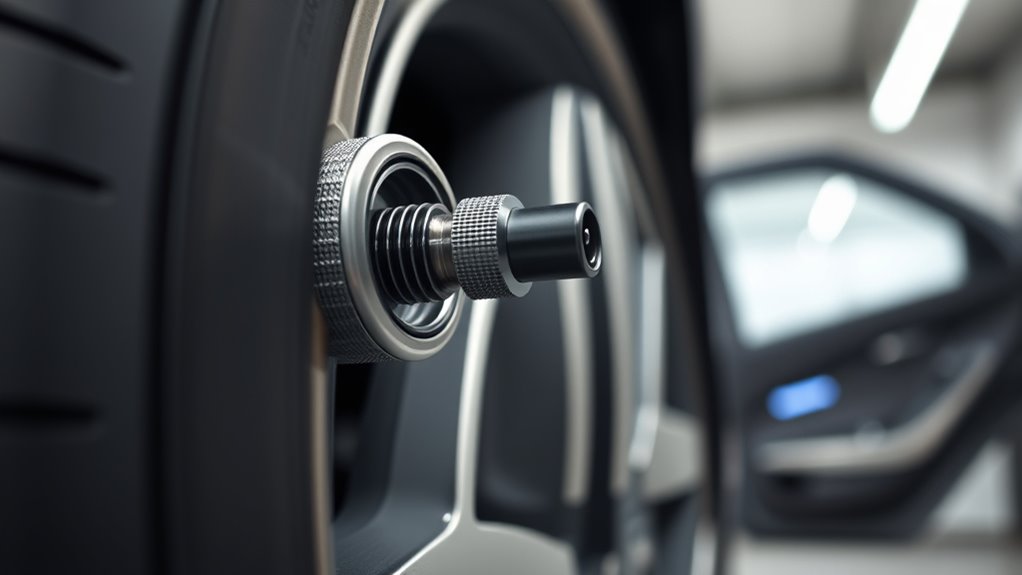
Yes, a tire inflator can damage a TPMS sensor if you overinflate, force the nozzle against the valve stem, or create excess heat during rapid filling. TPMS sensors monitor pressure in real time, so rough handling or corrosion can also disrupt them. Inflate slowly, use a digital gauge, and check the door-jamb pressure spec. If the TPMS light stays on, the sensor may need diagnosis, repair, or replacement, and there’s more to know.
Key Takeaways
- Yes, a tire inflator can damage a TPMS sensor if you overinflate or force air through the valve stem too aggressively.
- Rapid inflation can create heat and pressure spikes that stress sensor components and mounting hardware.
- Corroded or loose valve stems are more vulnerable to damage during inflation and may affect sensor performance.
- Signs of TPMS damage include warning lights, inaccurate pressure readings, and repeated low-pressure alerts.
- Inflate slowly, use a digital gauge, and check door-jamb specifications to protect the TPMS sensor.
What Is a TPMS Sensor?
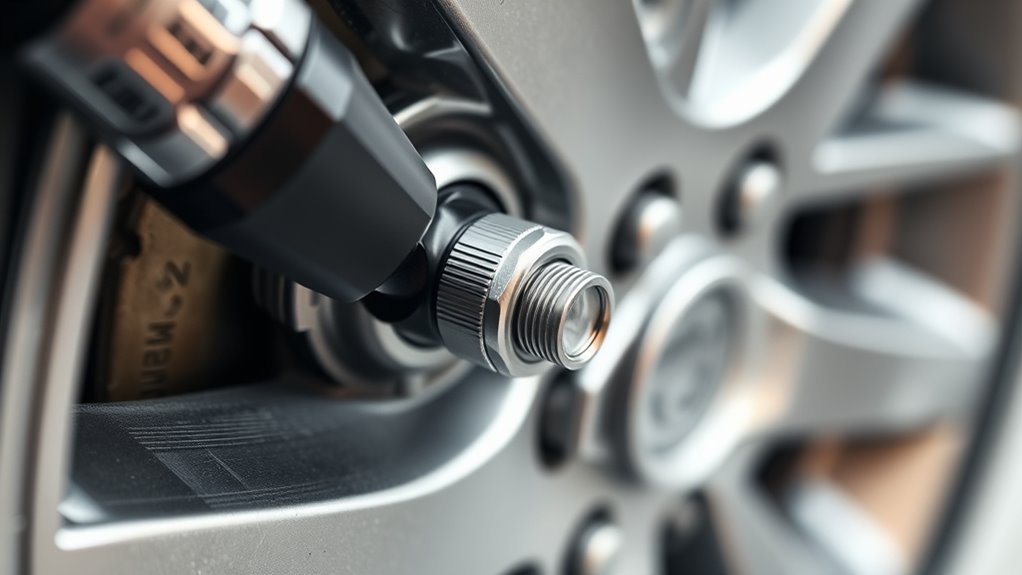
A TPMS sensor, or Tire Pressure Monitoring System sensor, constantly tracks your tire pressure and warns you when it drops below a safe level. You rely on each TPMS Sensor to measure inflation in real time and send data by radio frequency to your vehicle’s Powertrain Control Module, or PCM.
The system then triggers a warning so you can correct low pressure before it compromises handling, wear, or efficiency. Your vehicle may use valve stem-mounted sensors, which attach directly to the valve stem, or banded sensors, which secure to the wheel.
The system warns you early, while valve stem-mounted or banded sensors monitor tire pressure in real time.
Since 2008, manufacturers have installed these sensors in vehicles to help prevent crashes linked to under-inflated tires. When a TPMS Sensor fails, you lose a key safeguard and may face uneven tire wear, lower fuel economy, and a greater blowout risk.
Treat it as essential safety technology, not a luxury.
Can a Tire Inflator Damage It?
Yes—if you overinflate a tire with an inflator, you can expose the TPMS sensor to excessive pressure and force it outside its normal operating range.
You can also damage the sensor by pressing too hard on the valve stem or using metal components that promote corrosion and weaken the connection.
Watch for warning signs like erratic pressure readings, a TPMS fault light, or a sensor that stops responding after inflation.
Inflator Pressure Risks
Pressure is the main risk factor when you use a tire inflator near a TPMS sensor. If you push tire pressure beyond the recommended range, you can overload the sensor’s internal elements and trigger inaccurate readings or failure.
Most TPMS units are calibrated to work around 25 to 40 PSI, so rapid overinflation creates mechanical stress that the system wasn’t built to absorb. You also need to watch heat: fast inflation can raise temperature enough to weaken sensor integrity if you’re careless.
A faulty connection or improper nozzle can shift mounting hardware or disturb wiring, which adds another failure path.
Check pressure regularly, inflate in controlled steps, and respect the spec. That keeps your system responsive and preserves your freedom to drive safely.
Sensor Damage Signs
If a tire inflator gets used incorrectly, you can see the damage right away in the TPMS behavior.
Watch for sensor damage signs such as a persistent warning light, a pressure value that doesn’t match a gauge, or a sensor that won’t answer diagnostics. Over-inflation can stress the sensor with excess pressure and trigger malfunction.
Rapid inflation can build heat, which may shorten battery life or disturb internal electronics. If the nozzle misses its seat and strikes the sensor, you can dislodge or break it.
After every inflation, compare the dashboard reading with a trusted gauge. When the numbers diverge, act fast: inspect the valve area, retest the sensor, and replace damaged parts so you keep control, safety, and freedom on the road.
How Inflators Damage TPMS Sensors
A tire inflator can damage a TPMS sensor by creating conditions the sensor wasn’t designed to tolerate, especially when inflation is too fast, too hot, or physically forceful.
During tire inflation, excessive pressure spikes can overload the sensor and distort readings. Heat from the inflator’s motor or hose can stress delicate electronics if you keep running it against the valve too long.
If the chuck or attachment hits a valve stem-mounted unit, it can dislodge or crack the sensor housing. Rapid, high-pressure filling can also outpace the sensor’s response, causing malfunction.
If you use an incompatible inflator repeatedly, you raise cumulative wear and risk.
- Pressure surges can exceed sensor limits
- Heat can degrade internal circuitry
- Hard attachments can knock sensors loose
- Fast fills can confuse pressure response
- Poor compatibility can compound damage
Signs Your TPMS Sensor Is Failing
When your TPMS sensor starts failing, the dashboard warning light is often the first clue, especially if it stays on after you’ve inflated the tires to the correct pressure.
You may also see tire pressure values that don’t match a gauge reading, which means the TPMS sensor isn’t reporting accurately. Another common symptom is repeated low-pressure alerts even though the tires are fully inflated.
If you run a diagnostic check and the system doesn’t respond, the TPMS sensor may have a weak battery or internal damage. You can’t ignore these signs, because a faulty sensor can let under-inflation go unnoticed, accelerating tread wear and shortening tire life.
Watch for inconsistent alerts, delayed updates, or a warning light that comes and goes without cause. These failures don’t just create noise; they reduce your control over tire health, leaving you less free to drive with confidence and precision.
Valve Stem vs. Band TPMS Sensors
When you compare TPMS designs, valve stem sensors route pressure data through the stem itself, so corrosion or impact at that point can lead to failure.
Band sensors mount directly to the wheel, so they’re less exposed to stem-related damage, but newer versions often rely on batteries for operation.
In either case, proper installation matters because either sensor can malfunction if a tire change or inflator setup damages it.
Valve Stem Sensors
Valve stem-mounted TPMS sensors use the tire’s valve stem as part of the sensing and transmission assembly, so they’re more exposed than banded sensors to corrosion, road debris, and handling damage during inflation or tire service.
You should inspect the valve stem for pitting, cracking, or looseness before you attach an inflator. If you force the chuck or angle it badly, you can misalign the sensor or create a leak.
- Corrosion can weaken brass valve stem parts
- Dirt and salt accelerate wear
- Improper inflation can damage the seal
- Battery life usually lasts 5–7 years
- Tire changes can stress the sensor
Treat the valve stem with care, and you’ll reduce failure risk while keeping pressure data accurate and your freedom to drive uninterrupted.
Band Sensors
Though banded TPMS sensors sit inside the wheel and away from the valve stem, they’re not immune to inflation-related damage: the strap, sensor housing, or battery module can still be disturbed if the tire is mounted, inflated, or serviced incorrectly.
You should treat banded sensors with the same precision you give any safety-critical component. Modern units use batteries, while some older Corvette-style designs don’t, but both still send real-time pressure data that protects you from underinflation.
If you use a tire inflator carelessly, you can shift the band, pinch wiring, or crack the module, creating false readings or failure.
Because replacement and programming costs vary, proper handling preserves your freedom to drive safely without avoidable expense.
How to Inflate Tires Safely
Start by checking the recommended tire pressure on the driver’s side door jamb, then use a tire inflator to bring each tire up to that exact specification.
You’re working with precision, so inflate slowly and watch tire pressure with a digital pressure gauge after every short burst. That lets you avoid over-inflating, which can stress TPMS sensors and upset their calibration.
Keep the flow controlled so pressure rises evenly, without rapid spikes that can confuse sensor readings.
After you finish, inspect each valve stem for damage, debris, or obstruction; a clear stem helps the sensor function and seals air properly.
- Read the placard before you start.
- Gauge every tire individually.
- Stop short of the max number.
- Recheck pressure after a few minutes.
- Keep the valve cap secure.
What to Do If the TPMS Light Stays On
If the TPMS light stays on after you’ve inflated the tires, check each tire against the manufacturer’s specified pressure right away, because a persistent warning usually points to either a remaining low-pressure condition or a sensor fault. Use an accurate gauge, then correct any deviation.
| Check | Result | Action |
|---|---|---|
| Pressure low | Under spec | Inflate to spec |
| Light flashing | Sensor issue | Run diagnostics |
| Light steady | Needs review | Inspect TPMS |
If the TPMS remains illuminated, scan the system with a TPMS diagnostic tool to identify dead batteries, wiring faults, or recalibration needs after tire service. Don’t ignore a flashing light; it can indicate a more serious malfunction than simple underinflation. After you verify pressures and diagnostics, drive briefly and recheck. If the warning still won’t clear, consult a professional mechanic for deeper inspection. That step protects your freedom to travel safely, without guessing about hidden tire-system problems.
How Much TPMS Replacement Costs
Once diagnostics confirm a faulty TPMS sensor, replacement costs usually run about $50 to $100 per sensor for aftermarket parts, plus roughly $60 to $70 for labor.
You’ll also need to factor in taxes and any related repairs, which can push your final bill higher. If your vehicle uses a spare-tire or custom-wheel TPMS setup, the shop may need to relearn the system, adding more time and cost.
Replace the sensor promptly to preserve safety, tire-pressure accuracy, and vehicle performance.
- Aftermarket TPMS parts: $50–$100 each
- Labor: about $60–$70
- Taxes can raise the total
- Related repairs may add charges
- Relearning may be required for special wheels
For freedom on the road, don’t delay service when the TPMS warning proves real. Swift action helps you avoid hidden damage and keeps your ride responsive, efficient, and under your control.
How to Keep TPMS Sensors Working Longer
Keeping TPMS sensors in good working order starts with accurate tire pressure management, since even a small PSI deviation can affect both sensor performance and tire wear.
You should check inflation regularly with a digital gauge, not just the dash readout, because inconsistent readings can reveal a failing TPMS sensor. Keep every tire at the manufacturer’s specified pressure to reduce strain on the sensor and extend tire life.
Before you inflate, clean the valve stem area so dirt and corrosion don’t interfere with the TPMS assembly. Use tire inflators carefully: avoid units that run excessively hot or spike pressure, because that can damage the sensor and trigger malfunction.
If TPMS data becomes erratic, inspect the system promptly. Replace TPMS sensors every 5 to 7 years, or sooner if they show failure, so you keep accurate monitoring, protect your vehicle, and stay free from avoidable roadside risk.
Frequently Asked Questions
What Can Cause a TPMS Sensor to Go Bad?
Your TPMS sensor can go bad from a dead battery, corrosion, road impact, poor tire service, or a factory defect.
You should treat Sensor Maintenance as essential: keep valve areas clean, avoid brass stem corrosion, and protect sensors during tire changes.
Potholes, debris, and aged electronics can all trigger failure.
When you inspect pressure systems regularly, you reduce false alerts, preserve control, and keep your ride reliable and safe.
At What Psi Does a TPMS Trigger?
At around 26–28 PSI, your TPMS usually triggers, though your vehicle’s exact threshold can vary.
You should check your owner’s manual because most systems warn when Tire Pressure drops about 25% below the recommended setting, often 30–35 PSI.
Don’t let the wheels fall off: if you ignore that light, you’re driving underinflated, risking heat buildup, faster wear, and reduced control.
How to Not Break TPMS Sensor?
Use a proper automotive inflator, keep the valve stem clean, and set pressure to the manufacturer’s spec.
You’ll protect the TPMS by avoiding over-inflation, which stresses the sensor and tire. If your wheel uses a banded sensor, don’t force air directly onto the stem area.
Inspect sensors regularly and verify readings after inflation. This Sensor Protection routine helps you stay precise, independent, and free from avoidable failures.
What Is the Average Lifespan of a TPMS Sensor?
You can expect a TPMS sensor to last about 5 to 7 years, like a battery that slowly fades.
Your Sensor Maintenance habits matter: heat, cold, rough roads, and corrosion can shorten service life, especially on valve stem-mounted units.
You’ll also see battery decline over time.
If you inspect and replace sensors on schedule, you protect performance, preserve safety, and keep your vehicle’s pressure monitoring system working reliably.
Conclusion
So, can a tire inflator damage a TPMS sensor? Yes, if you overinflate, force the valve stem, or use careless connections. You can avoid costly sensor failure by checking pressure slowly, using proper fittings, and watching for warning lights. If your TPMS stays on, inspect the sensor before it becomes a bigger brake on safety. With careful maintenance and consistent checks, you’ll preserve pressure accuracy, protect parts, and prolong performance.

