
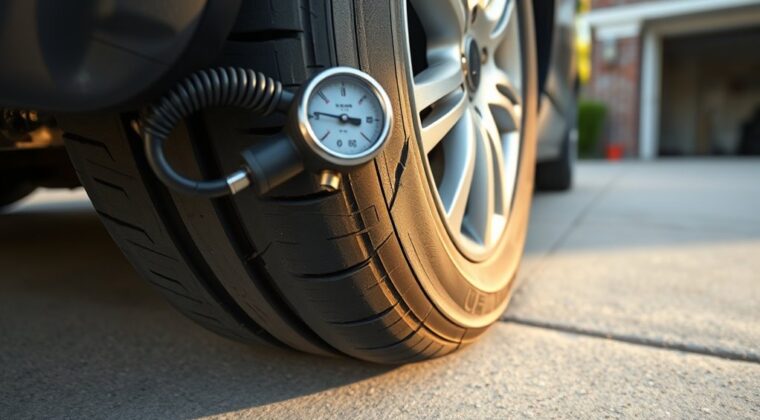
You shouldn’t inflate a tire with sidewall damage if you see a bulge, cut, crack, or exposed cords. Sidewalls carry critical load, and damage can cause a sudden blowout once the tire is pressurized and driven. Surface scuffs may be harmless, but you can’t assume that from the outside. Inspect the tire closely, check for leaks, and replace it if structural damage is present. There’s more to know before you get back on the road.
Key Takeaways
- Do not inflate a tire with sidewall bulges, because the weakened structure can burst unexpectedly.
- Deep cuts, gouges, or visible cords in the sidewall usually mean the tire must be replaced.
- Small surface scrapes may be harmless, but a professional should inspect any sidewall damage.
- Sidewall damage often comes from potholes, curb strikes, debris, underinflation, or overloading.
- Check tires regularly and replace them if there is cracking, swelling, or any structural sidewall damage.
Can You Inflate a Tire With Sidewall Damage?
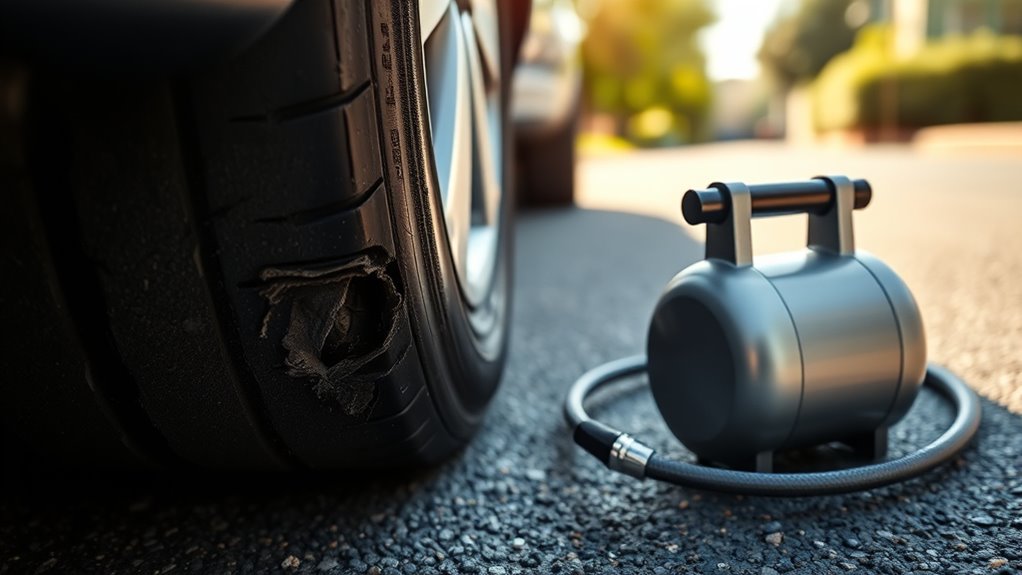
No—you shouldn’t inflate a tire with sidewall damage, because bulges, deep cuts, and similar defects usually mean the tire’s structure is compromised and a blowout becomes a real risk.
Don’t inflate a tire with sidewall damage; bulges and cuts can signal a dangerous blowout risk.
You’re dealing with more than a leak; you’re dealing with a structural integrity problem that can’t be safely ignored. Even if the tire still holds air, the sidewall damage can worsen under load, heat, and motion.
Don’t treat inflation as a fix, because it isn’t one. Instead, replace the tire if you see visible damage, since repairs usually aren’t feasible for this area.
If you need to move the vehicle, limit driving and get immediate professional assessment. Regular pressure checks help you catch issues early, but once the sidewall is damaged, your safest path is clear: stop relying on the tire, protect your freedom of movement, and reduce the safety risk before you drive any farther.
Why Sidewall Damage Makes Inflation Dangerous
When you see sidewall bulges or cuts, you’re often looking at internal cord failure, so the tire can’t safely hold pressure the way it should.
If you inflate it anyway, the weakened sidewall can rupture, and that blowout risk rises sharply at speed.
You shouldn’t rely on inflation to fix this damage; you need to replace the tire.
Internal Cord Failure
Sidewall bulges or bubbles usually point to internal cord failure, which means the tire’s structure is already compromised.
When you see a sidewall bulge, you’re looking at structural damage, not a cosmetic flaw. The cords that hold the sidewall together have broken, so added inflation pressure can force the weakened area to expand further. That makes inflation unsafe and unpredictable.
Manufacturers treat this as immediate tire replacement territory because the tire can’t reliably carry load once the cords fail. You shouldn’t try to “air it up” and hope for the best.
Inspect tires regularly so you catch damage early, before a compromised casing limits your choices. A sound tire keeps you in control; a damaged one can’t be trusted to recover under pressure.
Blowout Risk At Speed
Even a small sidewall bulge or cut can turn dangerous fast at highway speed, because the damaged area can’t hold pressure the way an intact tire can.
When you add air, you raise stress on weakened cords and rubber, and that can trigger structural failure without warning. At speed, the tire flexes harder, heat builds, and sidewall bulges can rupture, causing explosive air loss and sudden loss of control.
The blowout risk isn’t theoretical; NHTSA treats bulges as immediate grounds for tire replacement.
If you spot any sidewall damage, pull over, stop inflating, and remove the tire for professional inspection. Don’t gamble with your freedom on compromised rubber.
A safe road starts with refusing to drive on a tire that can fail in seconds.
How to Spot Bulges, Cuts, and Gouges
To spot sidewall damage, look closely for bulges, cuts, and gouges after driving on rough roads or over debris. You’re checking for bubbles, splits, or deep scuffs that signal trouble.
| What you see | What it may mean |
|---|---|
| Bulges | Internal failure |
| Cuts | Possible cord exposure |
| Gouges | Serious sidewall damage |
| Scrapes | Often cosmetic, but watch closely |
| Cracks | Possible deeper damage |
Run your hand over the area and inspect in good light. A bulge means the tire’s structure has failed, so replace it now. If cuts or gouges expose cords, get a professional inspection before you drive farther. Even light scrapes deserve monitoring for swelling or cracking. You don’t need to accept hidden risk as normal; you can check your tires and make a clear, informed choice. When you’re unsure, let a tire technician assess it.
Are Sidewall Indentations Safe?
If you notice a sidewall indentation, it usually reflects overlapping tire layers, not damage, and it often appears as a matched mark on the opposite side.
You can treat this kind of indentation as cosmetic, since it doesn’t typically affect air retention or tire performance.
Still, you should compare it with a bulge, because a bulge points to internal failure and isn’t safe.
What Indentations Mean
Sidewall indentations are usually a normal feature of tire construction, not a sign of damage, and they often look like a balloon with a string tied around it because overlapping internal layers can create that shape.
You can treat these sidewall indentations as cosmetic, since they don’t signal structural damage. In many tires, you’ll even see matching indentations on the opposite side, which points to manufacturing design, not failure.
Still, you should inspect them during regular inspections so you notice any change in shape, depth, or spread. That helps you stay informed and keep control over your vehicle’s condition.
Don’t confuse indentations with other irregularities that demand action. If the tire’s form changes, or you spot anything unusual, you’ll want a closer look from a qualified professional before you move on.
Safe Versus Bulges
Not every sidewall irregularity points to trouble, so it helps to separate harmless indentations from true bulges. You can treat most indentations as cosmetic because overlapping layers in the sidewall structure often create them. They’re usually mirrored on the opposite side and don’t reduce safety if the tire has no other damage.
- Check for rounded bulges, not just dips.
- Inspect both sidewalls in good light.
- Look for cuts, cracks, or exposed cords.
- Replace tires with any bulges immediately.
- Ask a tire professional if you’re unsure.
Bulges signal internal failure, and you shouldn’t inflate or keep driving on them. Indentations, by contrast, usually let you continue safely.
Regular inspections help you stay free from guesswork and protect performance.
When Does Sidewall Damage Mean Replacement?
You should replace a tire when sidewall damage goes beyond surface scuffing and starts affecting the tire’s structure. If you see a bulge, the cords inside have likely failed, and that damaged tire can’t be repaired safely.
Cuts or punctures that expose those cords also mean you need a new tire, because the sidewall no longer carries load as designed. Deep scrapes, especially ones larger than a thumbnail, can weaken the sidewall enough to justify immediate replacement.
You should also act if you notice dry rot or cracking, since brittle rubber can fail without warning. Age matters too: manufacturers often advise replacement after six years, even if tread looks fine.
Don’t gamble with sidewall damage; it’s a structural issue, not a cosmetic one. Choose replacement when the tire’s integrity is compromised, because your freedom on the road depends on reliable rubber.
What Causes Sidewall Damage on the Road?
Road hazards are a common cause of sidewall damage, since impacts from potholes, curb strikes, and sharp debris can cut, scrape, or bulge the tire’s outer structure. When you drive through road debris, the sidewall absorbs flexing and impact, and tire sidewall damage can appear fast.
Road hazards can quickly cut, scrape, or bulge a tire’s sidewall after potholes, curbs, or debris impacts.
- Potholes can pinch the sidewall.
- Curb strikes can bruise or tear it.
- Sharp objects can leave cuts and scrapes.
- Underinflation raises sidewall stress and heat.
- Environmental factors like UV and ozone can weaken rubber.
You also face added risk if you overload the tire, because extra weight strains the sidewall.
In some cases, manufacturing defects can show up as bulges or tears, even on new tires.
Check your tires often, especially after rough roads, so you can catch problems early and stay in control of your ride.
Can Sidewall Damage Be Repaired Safely?
Can sidewall damage be repaired safely? Usually, no. If you see a bulge, deep cut, or puncture, you’re dealing with possible internal failure, not a simple sidewall repair. NHTSA treats bulges as immediate-action issues because they can blow out without warning. Minor surface scrapes may not weaken the casing, but you still need a professional inspection before you trust the tire. Temporary products like GlueTread can help with small punctures, yet they don’t restore full strength, so they’re not a substitute for new tires when the damage is structural.
| Damage Type | Safe Repair? | Action |
|---|---|---|
| Bulge | No | Replace |
| Deep cut | No | Replace |
| Small puncture | Maybe temp | Inspect |
| Surface scrape | Often yes | Inspect |
| Visible swelling | No | Replace |
Regular checks help you spot damage early and keep your options open, but safety comes first.
What Should You Do Before Driving Again?
Before driving again, inspect the tire closely for bulges, cuts, deep scrapes, or punctures, since any of these can point to structural failure. If you spot sidewall damage, don’t assume you can safely inflate and move on. A bulge or puncture means the tire may blow out, so get professional help immediately.
If you only see minor surface scrapes and the cord isn’t exposed, you may inflate the tire cautiously, but only after a careful check.
- Verify the sidewall isn’t swollen or cracked.
- Check tire pressure with a gauge, not guesswork.
- Look for cords, leaks, or deforming rubber.
- Avoid driving if integrity feels uncertain.
- Schedule a technician inspection before long trips.
Monitor tire pressure regularly afterward, because underinflation can worsen damage fast. Driving on compromised rubber limits your freedom, not expands it.
When in doubt, stay parked until someone qualified confirms the tire’s safety.
Frequently Asked Questions
How Much Tire Sidewall Damage Is Acceptable?
Very little sidewall damage is acceptable. You can usually tolerate only minor surface scuffs that don’t expose cords or weaken sidewall integrity.
Any bulge, deep cut, or scrape beyond cosmetic wear threatens tire safety and calls for replacement options, not inflation. If you see multiple marks, cracking, or a cut deeper than about a quarter inch, you shouldn’t drive on it.
Inspect it promptly and choose safety over risk.
What Should I Do if My Tire Has a Damaged Sidewall?
You should stop driving immediately and inspect the tire now—your sidewall damage can turn into a roadside catastrophe.
Perform a careful sidewall inspection for cuts, gouges, or bulges, and don’t ignore any swelling.
Follow tire safety tips: avoid high speeds, limit driving precautions, and get a professional assessment.
If the sidewall’s compromised, explore replacement options right away, because you deserve freedom from blowout risks and unsafe travel.
How Long Can You Drive on a Tire With Sidewall Damage?
You shouldn’t drive on a tire with sidewall damage at all; if you must, only limp to a safe stop or repair shop at very low speed.
Any distance raises driving risks, hurts performance impact, and can trigger a blowout.
For tire safety, inspect for bulges, cuts, or exposed cords, then compare replacement options immediately.
Don’t inflate severe damage; freedom on the road starts with a sound tire.
Can Damage to the Sidewall of a Tire Be Repaired?
Usually, you can’t safely repair tire sidewall damage; you’ll need a professional damage assessment first.
Sidewall repairs rarely restore full tire safety because the casing and cords may be compromised. You might use a temporary product for a very small puncture, but it isn’t a lasting fix.
Compare replacement options quickly, especially if you see bulges, cuts, or exposed cords. Don’t gamble with your freedom on a weakened tire.
Conclusion
If you spot sidewall damage, don’t inflate the tire and hope for the best. The sidewall supports the tire’s structure, and once it’s compromised, failure can happen fast. Even a small bulge or cut can mean replacement, not repair. In fact, one roadside tire failure can leave you stranded in minutes, turning a minor defect into a major safety risk. Inspect carefully, replace when needed, and drive only when the tire is truly safe.