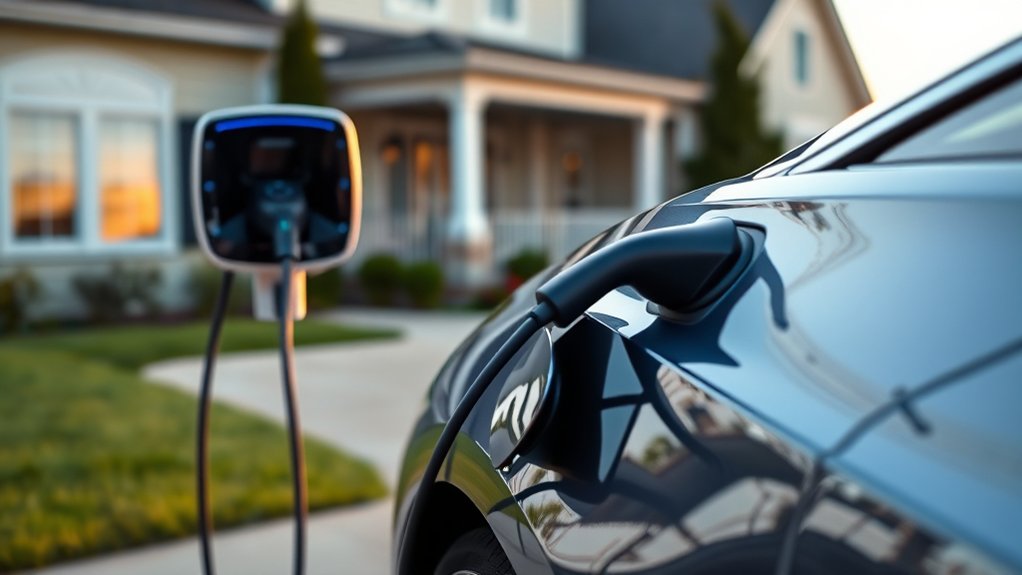
Installing an EV charger at home can affect your insurance because the charger may become part of your electrical system, an attached fixture, or a portable item, depending on how it is installed. The safest move is to contact your home insurer before or soon after installation, keep your permit and electrician paperwork, and confirm how your policy treats charger damage, liability, theft, and electrical upgrades.
Quick Answer
Home insurance may cover an EV charger if the loss is caused by a covered event, but coverage depends on your policy, charger type, installation, and limits. Tell your insurer, use a qualified electrician, keep permits and receipts, and ask whether your charger is covered as dwelling equipment, other structures, personal property, or liability exposure.
Key Takeaways
- A hardwired Level 2 charger is usually treated differently from a portable Level 1 cordset, so do not assume both are covered the same way.
- Notify your insurer to reduce the risk of claim delays, coverage gaps, or policy-limit problems.
- Use a qualified electrician, obtain required permits, and keep inspection records because poor installation can create electrical and insurance issues.
- Home insurance may help with covered damage or liability, but it usually will not cover normal wear, poor maintenance, or faulty workmanship itself.
At a Glance
| Time Required | 15 to 30 minutes to review your policy and call your insurer; longer if permits or electrical upgrades are needed |
| Difficulty | Easy for the insurance review; professional skill required for electrical installation |
| Tools Needed | Insurance declarations page, charger model number, electrician invoice, permit, inspection approval, photos, and installation diagram if available |
| Cost | Policy review is usually free; premiums, endorsements, deductibles, permits, and electrical work vary by home, insurer, and location |
Note: This article is general insurance information, not legal, electrical, or insurance advice. Your actual coverage depends on your policy wording, endorsements, exclusions, state rules, installation details, and insurer underwriting guidelines.
What Home Insurance Covers for EV Chargers
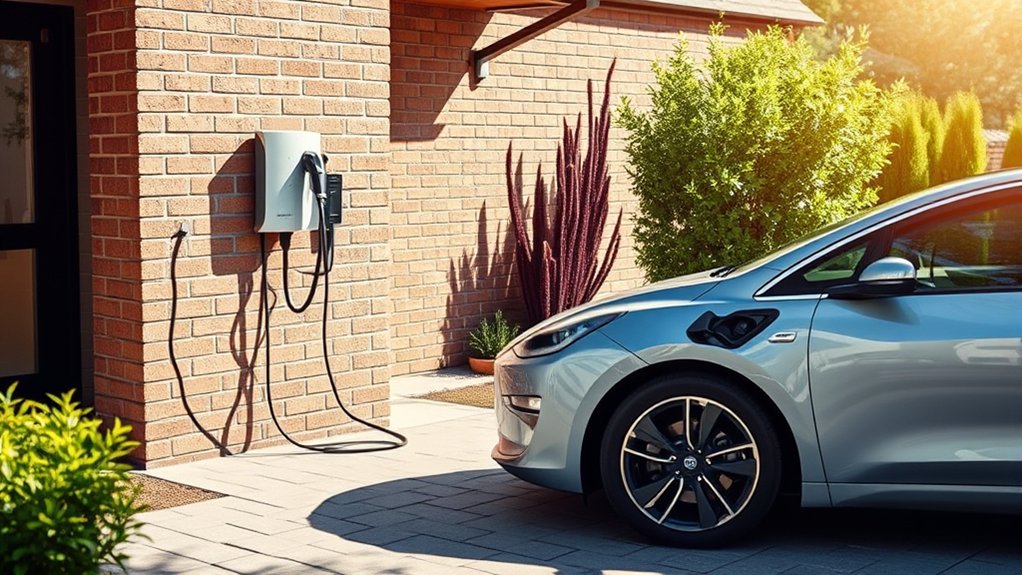
Homeowners insurance generally protects the structure of your home, personal property, and personal liability, but an EV charger does not fit every policy the same way. A permanently mounted or hardwired charger may be treated as part of the dwelling or another structure, while a portable charging cord may be treated as personal property or, in some cases, an auto-related accessory. The Insurance Information Institute explains that standard homeowners insurance usually includes coverage for the home structure, personal belongings, liability, and additional living expenses.
That means your policy may respond if a covered event damages the charger, such as fire, lightning, certain storm damage, theft, or vandalism. It does not mean every charger problem is covered. Normal wear, poor maintenance, faulty workmanship, electrical breakdown, flood, earthquake, or damage above your policy limits may be excluded or require separate coverage.
Liability is also important. If someone trips over a charging cable on your property or your charger causes damage to another person’s property, your homeowners liability coverage may be relevant. The National Association of Insurance Commissioners describes homeowners insurance as covering the home, personal property, and personal legal responsibility for injuries to others or damage to their property while they are on your property.
Warning: Do not assume a charger is covered just because it is attached to your home. Ask your insurer how your specific charger will be classified and whether your dwelling, other structures, personal property, or liability limits need to change.
Do You Need to Inform Your Insurer About Your EV Charger?
Yes, you should tell your insurer about a home EV charger, especially if it is hardwired, mounted outdoors, installed in a detached garage, connected to a new electrical circuit, or paired with solar, battery storage, or bidirectional charging. Notification does not always mean your premium will increase, but it helps your insurer document the upgrade and confirm whether your limits are enough.
Failure to disclose a charger can create problems later. Your claim may be delayed while the insurer verifies installation details, or you may learn that your policy limits do not reflect the added equipment and electrical work. In some cases, undisclosed electrical changes can create underwriting issues.
| What to Tell Your Insurer | Why It Matters |
|---|---|
| Charger type, brand, model, and serial number | Helps document replacement cost and equipment classification |
| Hardwired, plug-in, indoor, outdoor, attached garage, or detached garage | May affect dwelling, other structures, or personal property coverage |
| Electrician invoice, permit, inspection, and load calculation | Shows the charger was installed professionally and legally |
| Panel upgrade, new circuit, solar, battery storage, or vehicle-to-home setup | May change the home’s replacement cost, electrical risk, or underwriting profile |
Pro Tip: Send your insurer photos of the installed charger, the permit approval, and the electrician invoice. Keep copies in the same folder as your home inventory and EV purchase documents.
Coverage for Different Types of EV Chargers
The type of charger matters because insurance coverage can change based on whether the equipment is portable, plugged in, hardwired, attached to the home, or installed outside. The U.S. Department of Energy’s Alternative Fuels Data Center notes that many EV owners charge at home with Level 1 or Level 2 equipment, and that Level 2 home equipment commonly uses 240-volt service.
| Charger Type | Common Insurance Question | What to Ask |
|---|---|---|
| Portable Level 1 cordset | Is it personal property, auto equipment, or covered under comprehensive auto insurance if stolen? | Ask both your home and auto insurer how theft or damage would be handled. |
| Plug-in Level 2 charger | Is the charger personal property, and is the dedicated outlet or circuit part of the home? | Ask whether the charger, outlet, wiring, and panel work are covered under different policy sections. |
| Hardwired Level 2 charger | Is it dwelling equipment or other structures coverage? | Ask whether your Coverage A or other structures limit is high enough after installation. |
| Outdoor charger | Is weather, theft, vandalism, or impact damage covered? | Ask whether outdoor-rated equipment, bollards, security, or location changes affect coverage. |
| Shared, rental, condo, or multifamily charger | Who owns the charger and who is liable? | Ask your insurer, HOA, landlord, or condo association before installation. |
Ensuring Safe Charger Installation
Safe installation is one of the most important parts of protecting your home, your vehicle, and your insurance position. Level 1 charging may only need a suitable dedicated outlet, but Level 2 charging often requires a dedicated circuit, a load calculation, correct breaker sizing, and sometimes an electrical panel upgrade.
Use a Qualified Electrician
Hire a licensed or certified electrical contractor who has experience with electric vehicle supply equipment, also called EVSE. The AFDC recommends safety-certified charging equipment and a certified electrical contractor for home charging equipment. A qualified electrician can confirm whether your home has enough electrical capacity and whether a new circuit or panel upgrade is required.
Before work begins, ask for a written installation plan that includes:
- Charger make, model, amperage, and installation type
- Load calculation for your electrical panel
- Dedicated circuit requirements
- Permit and inspection requirements
- Outdoor rating if the charger will be exposed to weather
- Final invoice and inspection approval
Comply With Local Codes and Permits
EV charging equipment installations must follow local and state codes. AFDC states that appropriate permits may be required and that EV charging infrastructure is treated as a continuous load under the National Electrical Code, with Article 625 containing much of the information that applies to charging equipment.
This matters for both safety and insurance. If an electrical fire, panel problem, or wiring failure happens later, your insurer may ask for proof that the charger was installed legally and professionally. A permit, inspection approval, and electrician invoice can help support your claim.
Choose Safety-Certified and Outdoor-Rated Equipment
If your charger will be installed outdoors or in a carport, make sure it is rated for outdoor use. AFDC notes that outdoor home charging can be safe, including in rain, when outdoor-rated equipment is used. ENERGY STAR also explains that certified EV chargers can provide energy savings, safety, convenience, and smart technology benefits.
Warning: Stop using the charger and call a qualified electrician if you notice burning smells, scorch marks, buzzing, repeated breaker trips, melted plugs, damaged cords, water intrusion, or unusual heat at the outlet or charger.
What to Ask Your Insurer Before Installation
Before installation, call your insurer or agent and ask direct questions. This gives you written or documented guidance before a loss happens.
- How will my charger be classified? Ask whether it falls under dwelling coverage, other structures coverage, personal property, or another category.
- Are my coverage limits high enough? Include the charger, new wiring, outlet, conduit, panel upgrade, and labor cost.
- Do I need an endorsement? Some insurers may recommend an equipment endorsement, higher personal property limit, or higher liability limit.
- What exclusions apply? Ask about faulty workmanship, electrical breakdown, wear and tear, flood, earthquake, and business use.
- How is theft handled? Ask whether a portable charger stolen from your garage, driveway, or vehicle is handled by home insurance or auto comprehensive coverage.
- Does outdoor placement matter? Ask whether security, weather exposure, or cable placement affects underwriting.
- What documents should I keep? Ask whether they want permits, inspection records, electrician invoices, product manuals, or photos.
How to File a Claim for Damages Involving EV Chargers
If your EV charger is damaged, act quickly but safely. Do not keep using a damaged charger just to see if it still works.
- Make the area safe. If you can do so safely, stop charging and turn off power to the charger at the breaker. Do not touch wet, burned, melted, or sparking equipment.
- Document the damage. Take photos and videos of the charger, wiring, breaker, vehicle charge port, surrounding wall, and any damaged property.
- Save records. Gather the charger receipt, model number, electrician invoice, permit, inspection approval, and maintenance records.
- Call a qualified electrician. Ask for a written report or repair estimate that explains the likely cause and the repair needed.
- Contact your insurer. Report the claim promptly and ask whether it falls under dwelling, other structures, personal property, liability, or auto coverage.
- Keep all communication. Save emails, claim numbers, adjuster notes, photos, invoices, and repair approvals.
Note: If the charger damage may involve fire, vandalism, theft, impact damage, or injury, your insurer may request additional evidence such as a fire report, police report, witness statement, repair estimate, or electrician statement.
What Are the Liability Risks for Home Charging Stations?
Home charging stations create a few practical liability risks. Most are easy to reduce with good cable management, professional installation, and regular inspection.
- Trip hazards: A cable stretched across a walkway, driveway, shared garage, or sidewalk can create an injury risk.
- Electrical hazards: Incorrect wiring, overloaded circuits, damaged plugs, and non-rated outdoor equipment can increase fire or shock risk.
- Property damage: A charger malfunction or installation defect may damage walls, garage contents, vehicles, or nearby property.
- Shared access: Renters, guests, neighbors, delivery drivers, or HOA residents may interact with the charger or cable.
- Business use: Charging a business vehicle or allowing paid charging may create coverage questions under a personal homeowners policy.
To reduce these risks, mount the charger where the cord does not cross walking paths, use a cord holder, inspect the cable regularly, keep the charging area clear, and avoid extension cords unless your vehicle and charger manufacturer specifically allow them. If you rent, live in a condo, or share parking, get written approval before installing equipment.
Tips for Maintaining Coverage for EV Chargers as Technology Evolves
EV charging technology is changing quickly, so review your insurance whenever your setup changes. A basic Level 1 cordset is not the same insurance conversation as a hardwired Level 2 charger, a smart charger, an outdoor pedestal, a home battery, or a bidirectional vehicle-to-home system.
- Review your policy once a year. Confirm your dwelling, other structures, personal property, and liability limits still make sense.
- Update your insurer after upgrades. Tell them about a new charger, panel upgrade, detached-garage charger, outdoor installation, solar, battery storage, or bidirectional charging.
- Keep charger records. Save receipts, warranties, manuals, permit approvals, inspection records, and electrician invoices.
- Maintain the equipment. Inspect cords, plugs, mounts, and outlets. Repair damage promptly.
- Use secure smart-charger settings. Update firmware, protect app passwords, and follow the manufacturer’s safety instructions.
- Ask about liability limits. If guests, tenants, neighbors, or contractors may be near the charger, consider whether your liability limit is enough.
The best insurance protection for a home EV charger starts before the claim: tell your insurer, install it correctly, document the work, and keep your policy limits current.
Frequently Asked Questions
Does an electric car charger increase home insurance?
Not always. Some insurers may simply note the installation, while others may adjust your replacement-cost estimate, ask for proof of professional installation, recommend higher liability limits, or suggest an endorsement. The cost depends on your insurer, charger type, electrical upgrades, location, and policy limits.
Do I need to add an EV charger to home insurance?
You should notify your insurer and ask how the charger is covered. You may not need a separate add-on, but your insurer should know about the equipment, electrical work, permit, inspection, and charger value so your policy records stay accurate.
What is the 80/20 rule for EV charging?
The EV “80/20 rule” usually refers to battery care, not insurance. It means many EV owners try to keep daily battery charge roughly between 20% and 80% to reduce battery stress, while charging higher before longer trips when needed. It is different from the general observation that many EV drivers do most of their charging at home.
Does insurance on an EV cost more?
Auto insurance for an EV may cost more or less depending on the model, repair costs, battery value, parts availability, safety features, driver profile, location, and insurer. Your home EV charger is a separate home-insurance issue, so compare both auto and homeowners coverage when you buy an EV.
Is a portable Level 1 charger covered if it is stolen?
It depends on the policy and where the charger was stolen from. A portable charger stolen from your garage may be handled differently from one stolen from your vehicle. Ask your home insurer and auto insurer whether homeowners personal property coverage or auto comprehensive coverage applies.
Does home insurance cover faulty EV charger installation?
Home insurance usually does not cover the cost to fix faulty workmanship itself, but it may cover resulting damage if the loss qualifies under your policy. The electrician’s insurance or warranty may also matter. This is why permits, inspections, and contractor insurance are important.
Conclusion
A home EV charger can be covered by home insurance, but the answer depends on your policy and installation. The smartest approach is simple: notify your insurer, use a qualified electrician, follow permit and inspection rules, keep every document, and review your dwelling, personal property, other structures, and liability limits. With those steps in place, you reduce the chance of a claim dispute and protect both your charger and your home.
Sources
- Insurance Information Institute: What is covered by standard homeowners insurance? — supports homeowners coverage categories, property coverage, liability, and common exclusions.
- National Association of Insurance Commissioners: Homeowners Insurance — supports general homeowners insurance purpose, personal property, and liability framing.
- U.S. Department of Energy AFDC: Charging Electric Vehicles at Home — supports Level 1 and Level 2 home charging, outdoor-rated equipment, qualified electrician guidance, permits, and NEC Article 625.
- U.S. Department of Energy AFDC: Electric Vehicle Charging Stations — supports EVSE terminology, charging levels, and Level 1, Level 2, and DC fast charging context.
- ENERGY STAR: Electric Vehicle Chargers — supports Level 1 and Level 2 charging descriptions, professional installation guidance, and certified charger benefits.