
Last updated: July 8, 2026
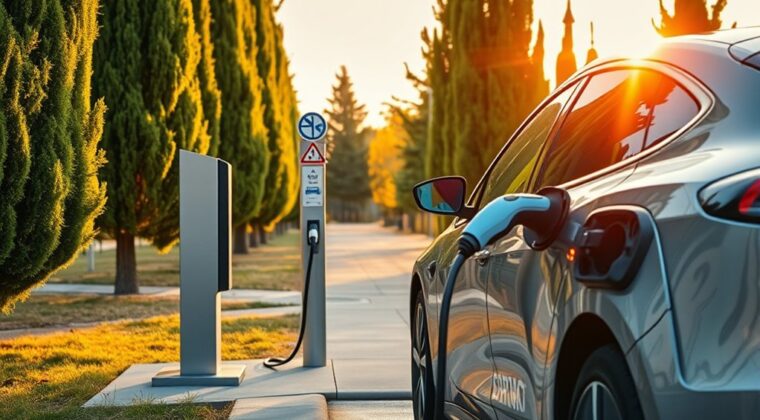
Safe EV charging starts with the right equipment, a solid electrical setup, and a few simple habits. Use a properly grounded outlet or professionally installed Level 2 charger, inspect cables before you plug in, avoid extension cords, and stop charging if anything looks damaged, loose, unusually hot, or wet in the wrong place. At public charging stations, check the connector, choose a visible location, and report broken equipment before another driver uses it.
Quick Answer
The safest way to charge your EV is to use listed charging equipment, follow your vehicle manual, keep cables in good condition, and have any Level 2 home charger or new charging circuit installed by a licensed electrician. Level 1 charging works from a standard 120-volt outlet but charges slowly. Level 2 charging is faster, but it needs the right circuit, breaker, wiring, and installation.
Key Takeaways
- Use EV charging equipment that is safety listed and approved for your charging location.
- Have Level 2 chargers and new home charging circuits installed by a licensed electrician.
- Inspect plugs, cables, outlets, and connectors before each charging session.
- Avoid extension cords, power strips, outlet splitters, and damaged receptacles.
- Keep the charging area dry, clear, ventilated, and away from flammable materials.
- At public chargers, check for cracked housings, loose plugs, exposed wires, and poor lighting before plugging in.
- Check your VIN for open safety recalls and follow your manufacturer’s charging updates.
How to Safely Charge Your EV at Home
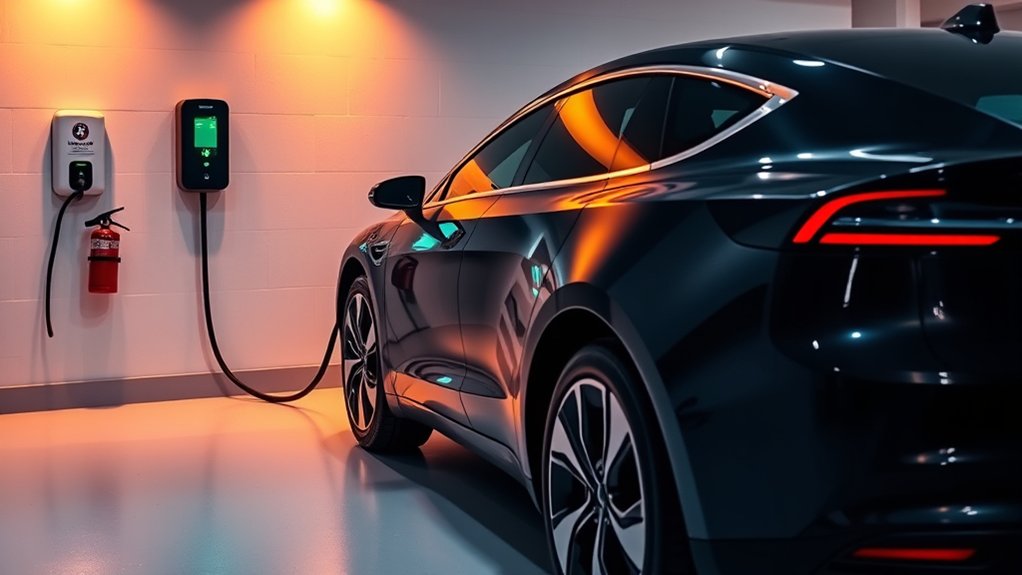
Home charging is convenient, but it should not be treated like plugging in a small device. Your EV charger can draw power for several hours, so the outlet, circuit, breaker, wiring, cable, and connector all need to handle the load safely.
If you use Level 1 charging, plug the manufacturer-supplied cord into a grounded 120-volt outlet that is in good condition. Do not use a loose outlet, cracked receptacle, scorched plug, extension cord, or power strip. If the outlet feels warm, smells unusual, or trips the breaker repeatedly, stop using it and call an electrician.
If you want faster charging, a Level 2 charger is usually the better long-term home setup. Level 2 charging uses 240-volt service in most homes, and the equipment should match your panel capacity, breaker size, wiring, charger amperage, and vehicle charging limit. A licensed electrician can confirm whether your home can support the added load.
EV Charging Safety: Best Practices for Home Charging
Safe home charging comes down to correct installation, routine inspection, and a clean charging area. These steps help reduce shock, overheating, fire, and equipment-damage risks.
Safe Charger Installation
Use EV charging equipment that is listed by a recognized safety testing organization, such as UL or ETL. Follow the charger manufacturer’s installation instructions and your EV manufacturer’s charging guidance.
For Level 2 chargers, have a licensed electrician install or inspect the circuit, breaker, wiring, mounting location, and charger setup. The charger should be connected to a circuit that can safely support the continuous load.
If you charge outdoors, use equipment rated for outdoor or wet-location use. Keep the charging unit mounted securely, protect the cable from being driven over, and avoid placing the connector where water can collect.
| Step | Action | Why It Matters |
|---|---|---|
| Equipment Check | Use listed EV charging equipment | Helps reduce shock, overheating, and fire risks |
| Professional Install | Hire a licensed electrician for Level 2 charging | Supports safe wiring, breaker sizing, and code compliance |
| Regular Inspection | Inspect cables, plugs, and connectors | Catches wear before it becomes a hazard |
| Clear Area | Keep the charging space clean and open | Reduces trip hazards and fire risks |
Regular Maintenance Checks
Inspect your EV charging equipment often. Look for cracked insulation, bent pins, loose plugs, corrosion, burn marks, frayed cords, unusual smells, or a connector that no longer seats securely.
Keep the charging cable away from sharp edges, standing water, and high-traffic areas. Do not close doors on the cable, run it under rugs, place heavy objects on it, or let vehicles drive over it.
If your charger, plug, or outlet gets unusually hot, stop charging and let the equipment cool. Do not restart the session until you understand why it overheated. Repeated heat, breaker trips, or charging interruptions can point to a wiring, outlet, or equipment problem.
Before You Plug In: Home Charging Checklist
- Confirm the outlet or charger is secure, dry, and free from visible damage.
- Check that the cable is not frayed, cracked, pinched, crushed, or twisted.
- Make sure the connector fits firmly into your vehicle charging port.
- Keep cardboard, fuel containers, rags, chemicals, leaves, and clutter away from the charger.
- Use the charging settings recommended by your vehicle or charger manufacturer.
- Do not use extension cords, outlet splitters, or multi-plug adapters for routine EV charging.
Use Public Charging Stations Safely
Public charging is usually straightforward, but you should still inspect the station before you connect. A damaged public charger can create electrical risk, charging failure, or damage to your vehicle’s charging port.
Inspect Charger Condition
Before plugging in, look at the charger housing, screen, cable, connector, and plug. Do not use a charger with exposed wiring, broken plastic, a loose connector, burn marks, water inside the connector, or a cable that has been cut or repaired with tape.
Confirm that the charging plug fits snugly into your vehicle’s charging port. A loose connection can interrupt charging and may increase heat at the contact points.
Some charging networks require an app, account, RFID card, or payment setup before charging begins. Check the station instructions before you connect so you do not leave the cable attached without an active session.
If the charger is damaged or fails during charging, stop the session and report the issue through the charging network app, station phone number, or site owner.
Stay Aware Of Surroundings
Choose a public charger in a visible, well-lit location when possible. If a station feels isolated or unsafe, consider another charger before starting a long session.
- Park where you can leave safely: Avoid tight spaces that block your exit path.
- Lock your vehicle: Keep valuables out of sight and stay aware of people nearby.
- Monitor your session: Use the charging app or vehicle display to confirm charging starts normally.
- Know how to stop charging: Learn the stop button, app control, or emergency shutoff process before you need it.
Staying alert can make public charging safer, especially at night, in unfamiliar areas, or at chargers near busy traffic.
Charging Levels Explained: Level 1 vs. Level 2
Understanding Level 1 and Level 2 charging helps you choose a safer and more practical home setup. Charging speed depends on your battery size, state of charge, vehicle onboard charger, charger output, temperature, and electrical service.
| Feature | Level 1 Charging | Level 2 Charging |
|---|---|---|
| Voltage | 120 volts | 240 volts in most homes |
| Charging Speed | Slow, often best for overnight top-ups | Faster, often suitable for daily charging |
| Installation | Uses a grounded outlet in good condition | Professional installation is recommended |
| Common Use | Short daily driving and backup charging | Home, workplace, and public charging |
| Safety Focus | Avoid old, loose, or overloaded outlets | Use correct wiring, breaker size, and charger settings |
Level 1 can work if you drive fewer miles each day and have time to charge for many hours. Level 2 is better if you need faster daily charging, share a vehicle, drive longer distances, or want more flexibility.
What About DC Fast Charging?
DC fast charging is mainly for public stations, road trips, and quick top-ups. It can charge much faster than Level 1 or Level 2, but charging speed still depends on your EV, battery temperature, battery state of charge, connector type, and station power. Use only compatible connectors and approved adapters.
Stay Safe While Charging Your EV
Choosing the right charging level affects both convenience and safety. Use these simple rules at home and on the road.
- Use certified charging equipment: Choose EV charging equipment that is safety listed and compatible with your vehicle.
- Inspect your charging cables: Check the cable, plug, connector, and outlet for wear, heat, corrosion, or damage.
- Create a safe charging environment: Keep the charging area well-ventilated, clutter-free, and away from flammable materials.
- Avoid unsafe shortcuts: Do not rely on extension cords, power strips, damaged outlets, or loose adapters.
- Stop when something feels wrong: Heat, odor, sparks, buzzing, error messages, or repeated breaker trips need attention before you continue.
Charging Your EV in Rain, Storms, and Bad Weather
Many EV chargers are designed for outdoor use, but only when the equipment is rated for that location and remains undamaged. Light rain is not the same as flooding, standing water, lightning, or a damaged connector.
Do not charge if the charging port, plug, outlet, or connector is submerged, cracked, visibly wet inside, or physically damaged. Avoid handling plugs while standing in water. During severe lightning, flooding, or power instability, wait until conditions improve.
Stay Updated on EV Safety Recalls
Safety recalls can affect electric vehicles, charging-related components, software, battery systems, and other vehicle equipment. Check your vehicle identification number, or VIN, through the NHTSA recall lookup tool and your manufacturer account.
If you bought a used EV, check the VIN before relying on the seller’s word that all recall work has been completed. Some recall fixes may require dealer service, while some software updates may come directly from the manufacturer.
Manufacturers may notify registered owners by mail, but you should still check recall status regularly. Recalls can be updated after a vehicle is sold, and newly announced recalls may not identify every affected VIN immediately.
Frequently Asked Questions
Can I Charge My EV During a Storm or Heavy Rain?
You can usually charge in rain when you use undamaged, outdoor-rated equipment as directed by the manufacturer. Do not charge during flooding, standing water, visible equipment damage, or severe lightning risk. If water gets inside the connector, outlet, charger, or vehicle port, stop and get it inspected.
Should I Use an Extension Cord to Charge My EV?
No, you should avoid extension cords, power strips, and multi-plug adapters for EV charging unless your vehicle manufacturer specifically approves that setup. EV charging draws power for long periods, and the wrong cord can overheat or create a shock or fire risk.
What Should I Do if My Charger Overheats?
If your charger overheats, stop charging and unplug it only if it is safe to do so. Let the equipment cool, then check for a loose plug, damaged cable, warm outlet, error message, or repeated breaker trip. Do not keep using the charger until you identify the cause or have an electrician inspect it.
Are There Safety Concerns for Charging Near Flammable Materials?
Yes. Keep gasoline, paint, cardboard, leaves, rags, cleaning chemicals, and other flammable materials away from your EV charging area. A clear, ventilated space helps reduce fire risk and keeps the cable easier to inspect.
How Often Should I Replace My Charging Cables?
Replace charging cables when they show damage, overheating, corrosion, loose connections, cracked insulation, bent pins, or charging errors. Do not follow a fixed replacement timeline if the cable is already unsafe. Always follow your charger and vehicle manufacturer’s guidance.
Is It Safe to Charge My EV Overnight?
Overnight charging is generally safe when your equipment is properly installed, safety listed, undamaged, and used as directed. Set the charge limit recommended by your vehicle manufacturer, keep the area clear, and avoid charging from damaged outlets or overloaded circuits.
Do I Need a Licensed Electrician for Level 2 Charging?
Yes, in most cases you should use a licensed electrician for a Level 2 home charger or new 240-volt circuit. The electrician can confirm panel capacity, wire size, breaker rating, outlet type, permitting needs, and safe placement.
Conclusion
Safe EV charging is mostly about using the right equipment in the right condition. At home, keep your outlet or Level 2 charger properly installed, clean, dry, and free from damage. In public, inspect the station before you connect and move on if the charger looks unsafe.
You do not need to overcomplicate the process. Use listed equipment, avoid extension cords, protect the cable, stay alert around public stations, and check recalls regularly. These habits help you charge your EV with more confidence every day.