
You need a portable EV charger when you want a dependable backup for travel, flexible home charging, or a way to use more than one outlet type. The right choice depends on your vehicle inlet, outlet, circuit capacity, daily mileage, and whether you value speed, low weight, scheduling, or app control.
This guide compares portable Level 1 and Level 2 EVSE options for J1772 and NACS vehicles. It also explains the electrical limits that matter before you plug in, because a portable charger is only safe when the receptacle, wiring, breaker, plug, and selected current are all suitable for continuous EV charging.
Quick Verdict
Choose the EVDANCE Combo for a simple dual-voltage J1772 backup, the ELEGRP 40A for faster ETL-certified J1772 charging on a suitable 50A circuit, the Lectron WiFi for smart Level 1 charging, or the Lectron NACS for native NACS support. Confirm the outlet, circuit, and vehicle connector before ordering.
Top Picks
|
Category |
Product |
Key Specs |
|---|---|---|
|
Best Overall |
12A at 120V / 16A at 240V; J1772; 25ft |
|
|
Best Budget |
6–16A adjustable; J1772; 20ft |
|
|
Best On-Unit Scheduling |
8–16A adjustable; J1772; 21ft |
|
|
Best Certified 40A |
40A; J1772; 25ft |
|
|
Best Smart Level 1 |
12A at 120V; J1772; 16ft |
|
|
Best Adjustable 40A |
10–40A adjustable; J1772; 25ft |
|
|
Best Dual-Connector |
12A at 120V / up to 40A at 240V; J1772 + NACS options; 25ft |
|
|
Best Portable Display |
Up to 16A, verify live listing; J1772; 25ft |
|
|
Best NACS Support |
8–40A adjustable; NACS; 20ft |
How We Picked
We prioritized connector compatibility, verified plug and amperage details, cable reach, on-unit or app controls, weather-resistance claims, and recognized safety certifications when the current listing clearly stated them. We also compared how easy each unit is to carry and whether its charging rate fits overnight backup use or daily home charging.
We did not use temporary prices, star ratings, review counts, or promotional discounts as ranking factors. One J1772 Lectron 8–40A model from the source article was removed because its Amazon listing was currently unavailable during verification.
Electrical Safety Note
EV charging is a continuous electrical load. A 40A portable EVSE normally needs a correctly installed 50A branch circuit. A 16A EVSE normally needs a suitable 20A circuit. Do not use ordinary extension cords, loose or heat-damaged receptacles, or improvised adapter chains. Have an electrician inspect a new or questionable 240V outlet before regular charging.
This is the most balanced option for drivers who want one compact charger for ordinary household outlets and a compatible 240V outlet. The long cable helps in garages and driveways where the receptacle is not close to the charge port.
Main limitation: It is not a high-power charger. The current is tied to the plug and voltage setup rather than freely adjustable, and NACS vehicles need the correct adapter. Check the product listing for vehicle-specific compatibility notes before buying.
What People Say
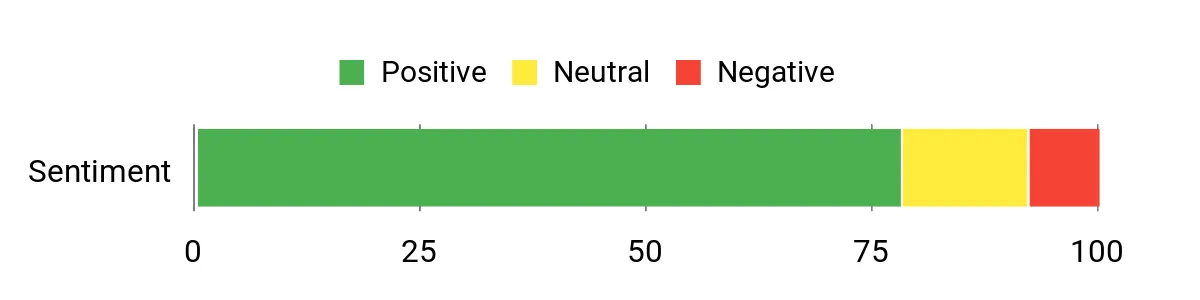
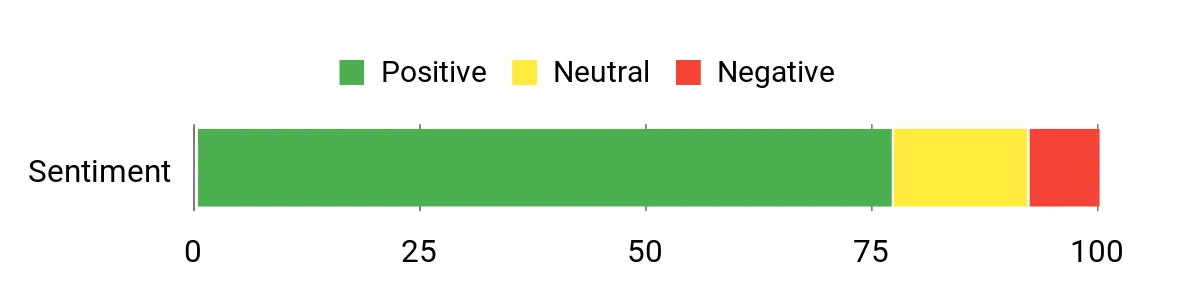
Listing feedback often focuses on the long cable, simple plug-and-charge setup, and usefulness as a travel or backup EVSE. Slower charging from a 120V outlet is the expected tradeoff.
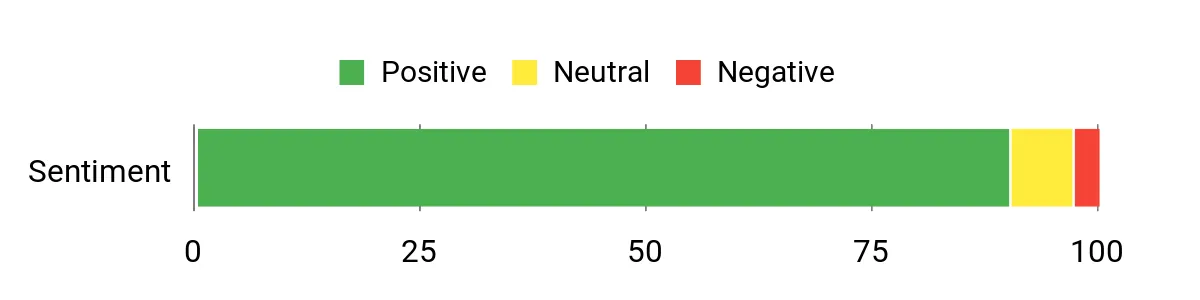
Listing Feedback Trend: Generally positive, with the limitations above worth checking.
Ease Of Use
|
Feature |
Ease Level |
|---|---|
|
Setup |
Easy |
|
Plug Options |
Easy |
|
Cable Management |
Moderate |
|
Portability |
Easy |
Charging Fit
Best for overnight charging and emergency backup use. Plan on about 1.44kW at 120V and up to about 3.84kW at 240V, subject to the vehicle’s onboard charger and circuit limits.
Key Benefits
- Dual-voltage charging for compatible outlets
- 25ft cable for flexible parking
- Compact 7 lb design
- ETL-listed product title on the current listing
Who Should Buy This
Choose it if you want a simple J1772 travel charger and do not need 32A or 40A Level 2 speed.
Check Product Details on Amazon
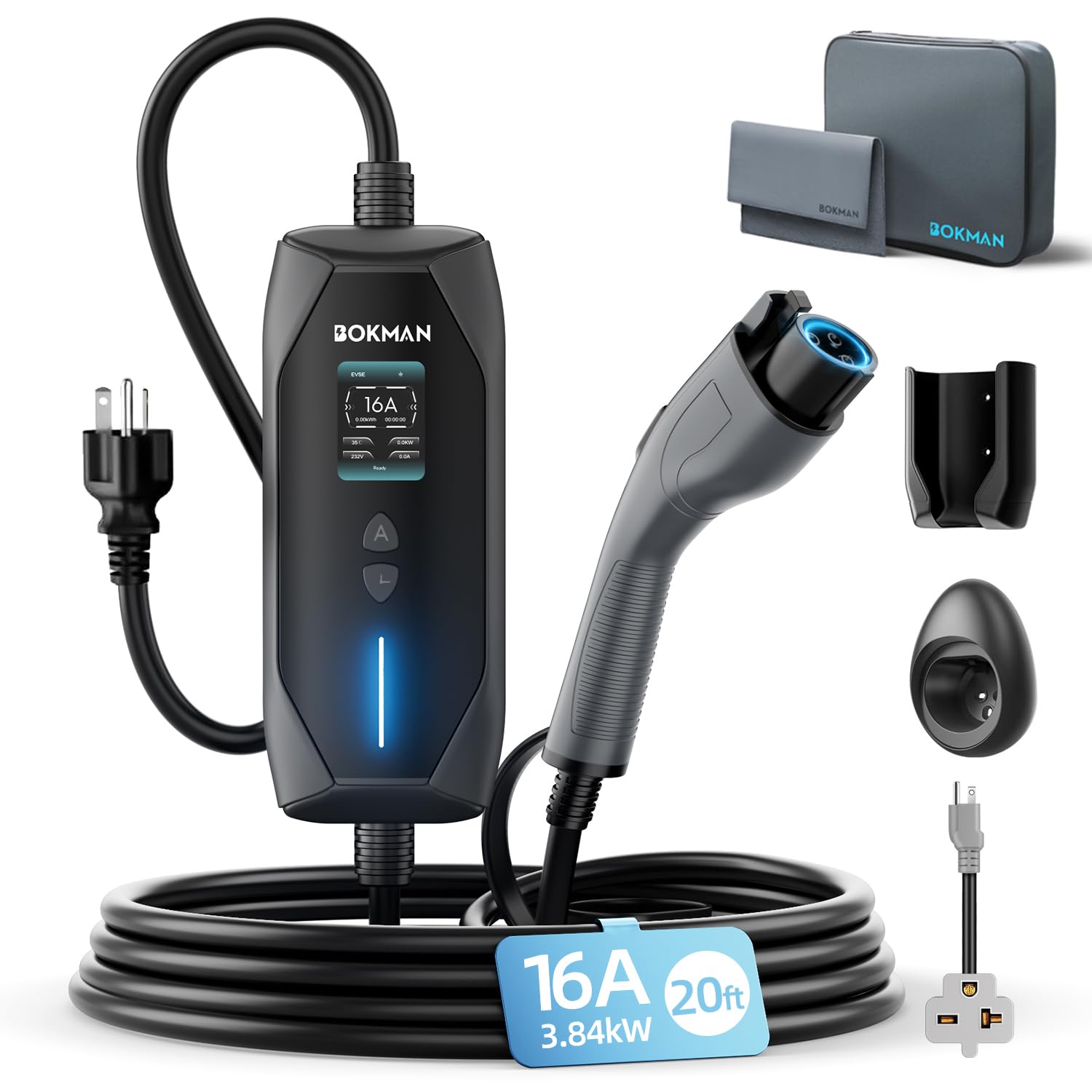
The adjustable current makes this a practical choice when you regularly use more than one compatible outlet. Physical buttons and an on-unit display are useful when you do not want to depend on an app.
Main limitation: At 16A maximum, it is much slower than a 32A or 40A Level 2 EVSE. It also weighs more than some compact 16A alternatives, so it is better as a trunk backup than a charger you carry by hand often.
What People Say
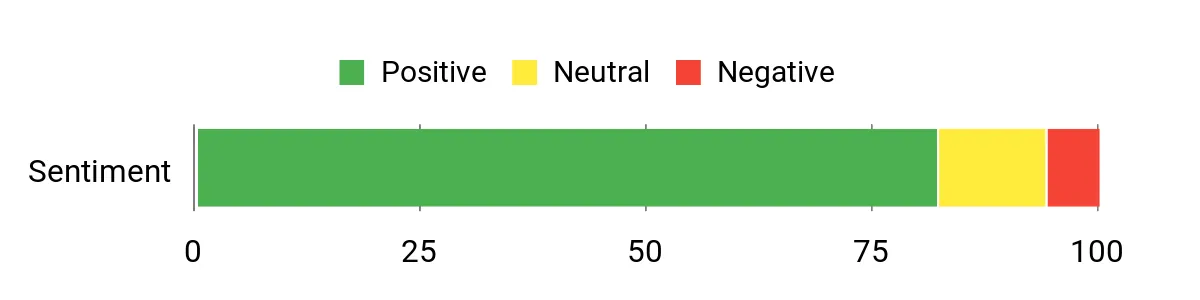
Common listing feedback highlights the straightforward controls, adjustable current, included household-outlet adapter, and weather-resistant enclosure. Weight is the main portability concern.
Listing Feedback Trend: Generally positive, with the limitations above worth checking.
Ease Of Use
|
Feature |
Ease Level |
|---|---|
|
Setup |
Easy |
|
Controls |
Easy |
|
Switching Plugs |
Easy |
|
Portability |
Moderate |
Charging Fit
A 16A charging setting should be used only on a circuit and receptacle rated for that continuous load. Lower settings can help match a limited circuit, but they do not make damaged or shared wiring safe.
Key Benefits
- Adjustable 6–16A current
- 20ft cable
- NEMA 6-20 plug with 5-15 adapter
- IP65-rated control box
Who Should Buy This
Choose it if value, adjustable amperage, and simple on-device controls matter more than maximum charging speed.
Check Product Details on Amazon
This model makes delayed charging easy without requiring Wi-Fi or a phone. It suits drivers who want to shift charging to off-peak hours while keeping the controls directly on the unit.
Main limitation: The timer delays the start, but it does not provide the same remote monitoring or energy reports as a connected smart charger. Its 16A ceiling also limits Level 2 speed.
What People Say
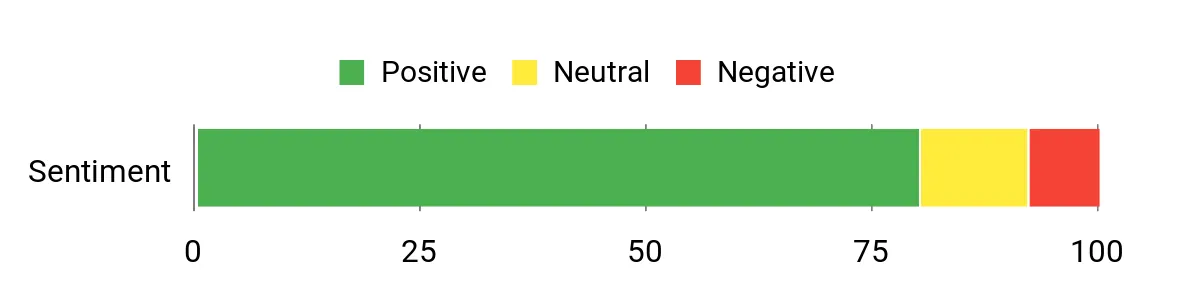
Listing feedback commonly points to the clear screen, delay timer, current adjustment, and useful cable length. Service and return experiences can vary, so check the current seller and warranty details.
Listing Feedback Trend: Generally positive, with the limitations above worth checking.
Ease Of Use
|
Feature |
Ease Level |
|---|---|
|
Setup |
Easy |
|
Timer and Display |
Easy |
|
Switching Outlets |
Easy |
|
Cable Management |
Moderate |
Charging Fit
Use the timer only after confirming the outlet, adapter, and circuit are suitable for the selected current. Scheduled charging can lower electricity cost where time-of-use rates apply, but it does not change the vehicle’s maximum acceptance rate.
Key Benefits
- Built-in timer and display
- Adjustable 8–16A current
- 21ft charging cable
- No app required
Who Should Buy This
Choose it if you want direct scheduling and status information without adding another mobile app.
Check Product Details on Amazon
This is the strongest choice here for drivers who want verified 40A specifications and a long cable. It can deliver up to 9.6kW when the vehicle, circuit, receptacle, and electrical service all support that rate.
Main limitation: A 40A EVSE is a continuous load and normally needs a correctly installed 50A branch circuit. The unit is portable in the sense that it plugs in, but it is heavier and less convenient to move than a 12A or 16A charger.
What People Say
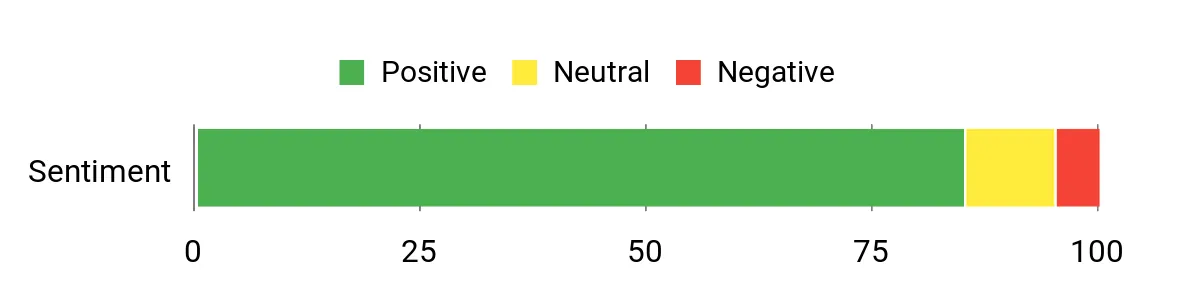
Listing feedback frequently mentions faster home charging, sturdy construction, and the reassurance of ETL certification. Buyers also note that proper NEMA 14-50 installation matters as much as the charger itself.
Listing Feedback Trend: Generally positive, with the limitations above worth checking.
Ease Of Use
|
Feature |
Ease Level |
|---|---|
|
Initial Setup |
Moderate |
|
Daily Use |
Easy |
|
Outlet Requirements |
Moderate |
|
Portability |
Moderate |
Charging Fit
Best for daily home charging on a dedicated, electrician-verified NEMA 14-50 circuit. Do not assume an older range or RV outlet is ready for repeated 40A EV charging without inspection.
Key Benefits
- Up to 40A and 9.6kW
- ETL-certified listing
- 25ft charging cable
- IP67-rated enclosure
Who Should Buy This
Choose it if you have a suitable 240V circuit and want faster J1772 charging without a hardwired wall unit.
Check Product Details on Amazon
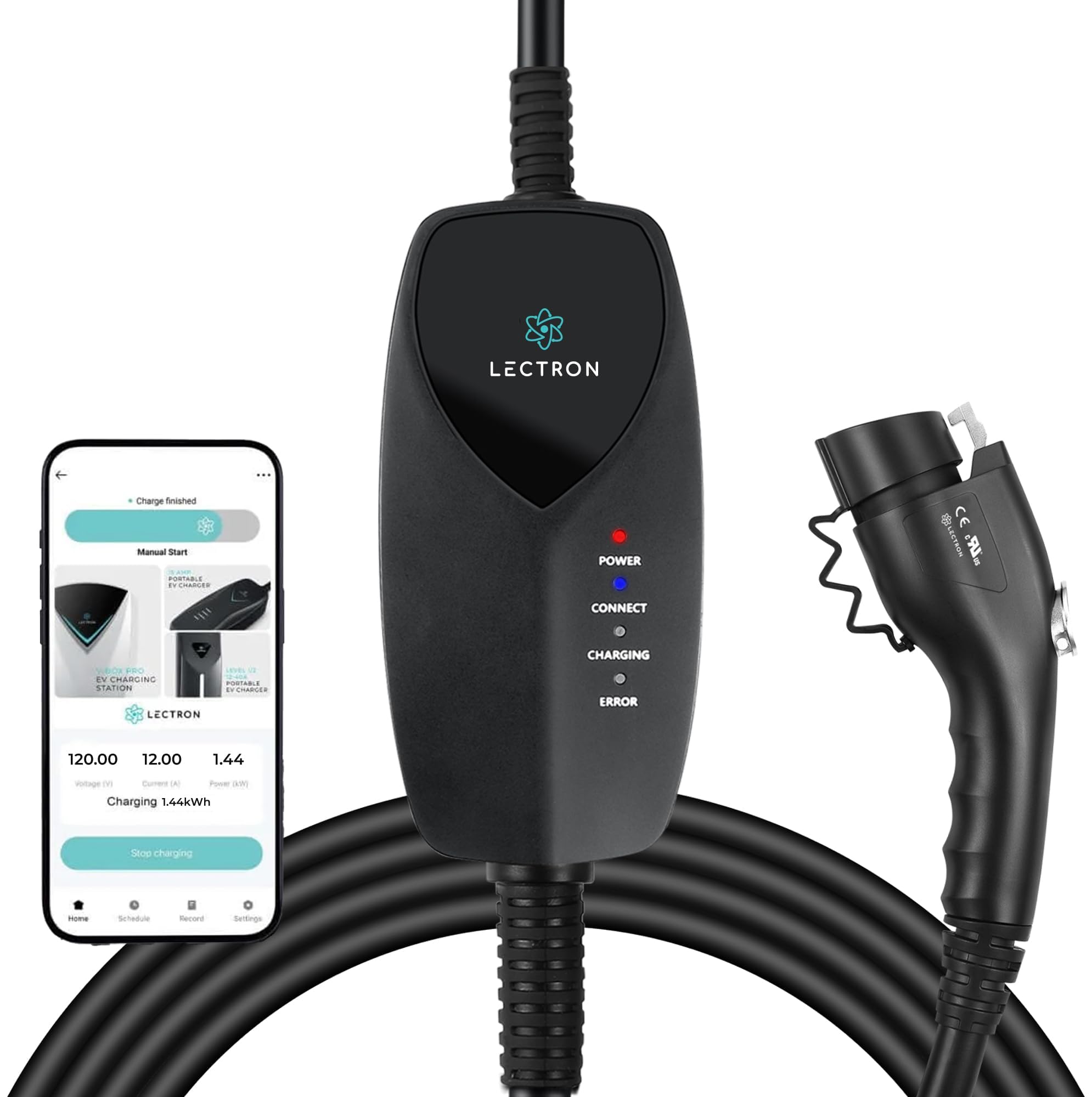
This is the best fit for drivers who only need overnight top-ups but still want remote status and scheduling. It plugs into a standard grounded household receptacle and is easy to keep in the vehicle.
Main limitation: Level 1 charging is slow and may not replace a large daily commute. App features also depend on Wi-Fi, account setup, and continued software support.
What People Say
Listing feedback tends to favor the scheduling controls, compact carrying case, and straightforward setup. The main limitation is the expected 1.44kW charging rate.
Listing Feedback Trend: Generally positive, with the limitations above worth checking.
Ease Of Use
|
Feature |
Ease Level |
|---|---|
|
Setup |
Easy |
|
App Control |
Easy |
|
Portability |
Easy |
|
Cable Management |
Moderate |
Charging Fit
Best for plug-in hybrids, low-mileage EV use, or backup charging. Use a sound, grounded receptacle on a suitable circuit and stop charging if the plug or outlet becomes unusually hot.
Key Benefits
- Wi-Fi scheduling and monitoring
- Portable carrying case
- 16ft cable
- IP65-rated control box
Who Should Buy This
Choose it if smart controls matter more than speed and a 120V outlet is your main charging source.
Check Product Details on Amazon
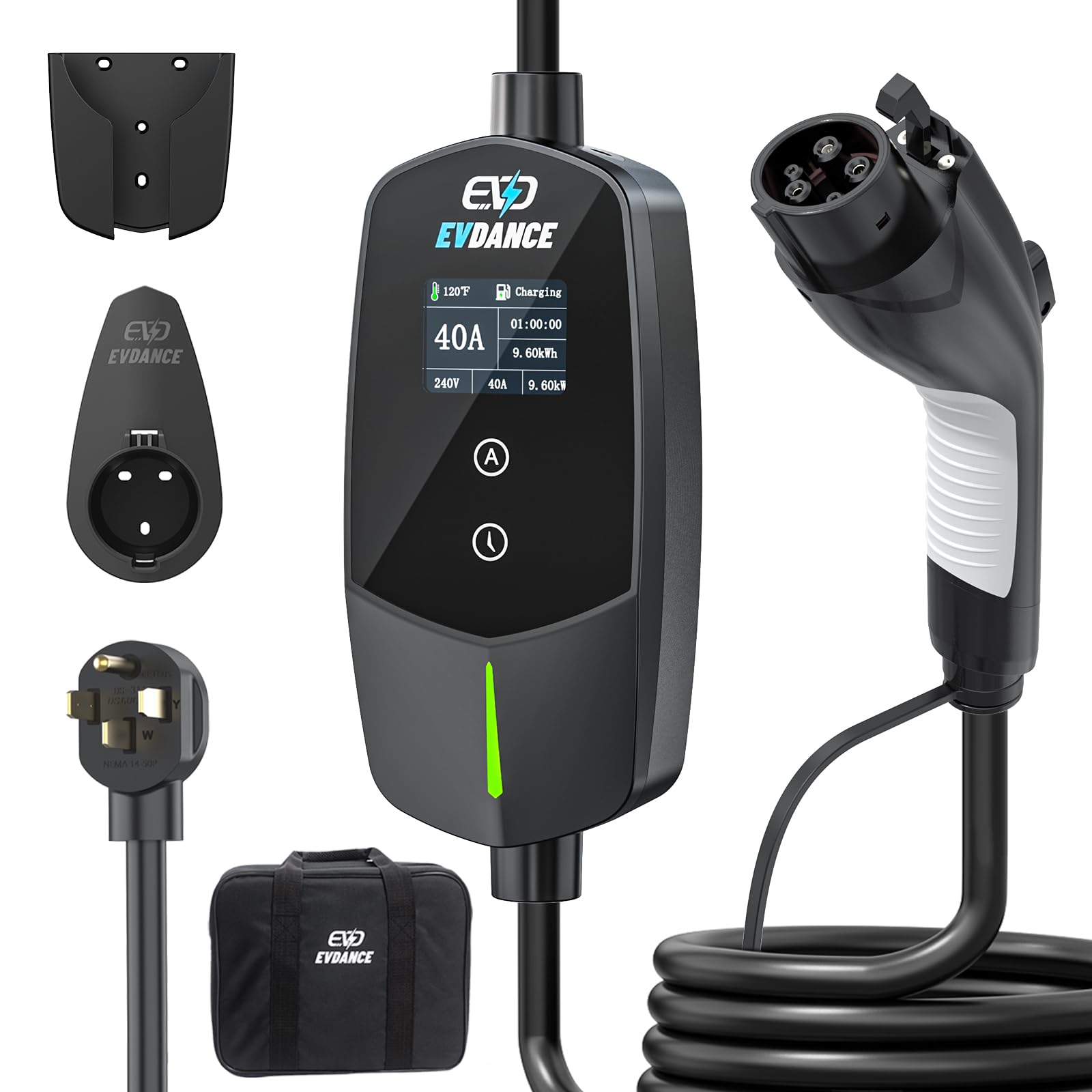
The broad current range is useful when the same charger may be used on different properly rated 240V circuits. The display and delay timer add control without requiring a network connection.
Main limitation: This model does not include Level 1 charging through a household plug. Tesla and other NACS vehicles need an appropriate J1772-to-NACS adapter, and maximum speed requires a suitable 50A circuit.
What People Say
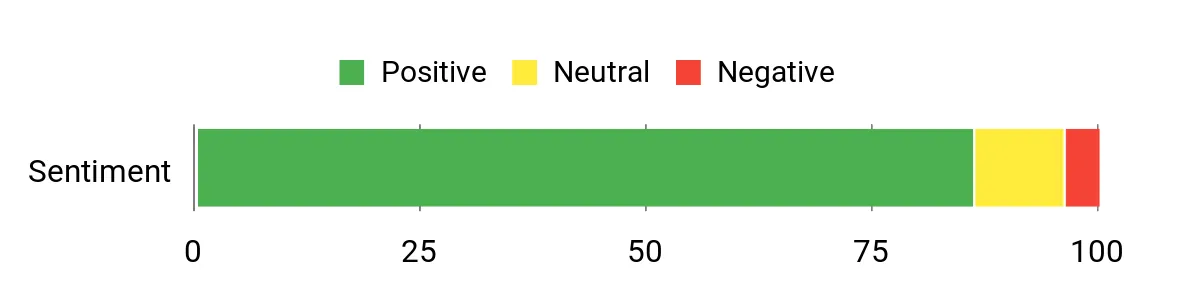
Listing feedback often emphasizes the charging speed, adjustable current, large display, and long cable. The size and weight are less travel-friendly than low-amperage units.
Listing Feedback Trend: Generally positive, with the limitations above worth checking.
Ease Of Use
|
Feature |
Ease Level |
|---|---|
|
Initial Setup |
Moderate |
|
Daily Use |
Easy |
|
Current Adjustment |
Easy |
|
Portability |
Moderate |
Charging Fit
Best for a dedicated NEMA 14-50 home setup where you want to choose a lower current when needed. The selected amperage must remain within the circuit, receptacle, and vehicle limits.
Key Benefits
- Adjustable 10–40A output
- 25ft cable
- Delay timer and display
- IP66-rated enclosure
Who Should Buy This
Choose it if you want 40A capability plus on-device current adjustment and delay timing.
Check Product Details on Amazon
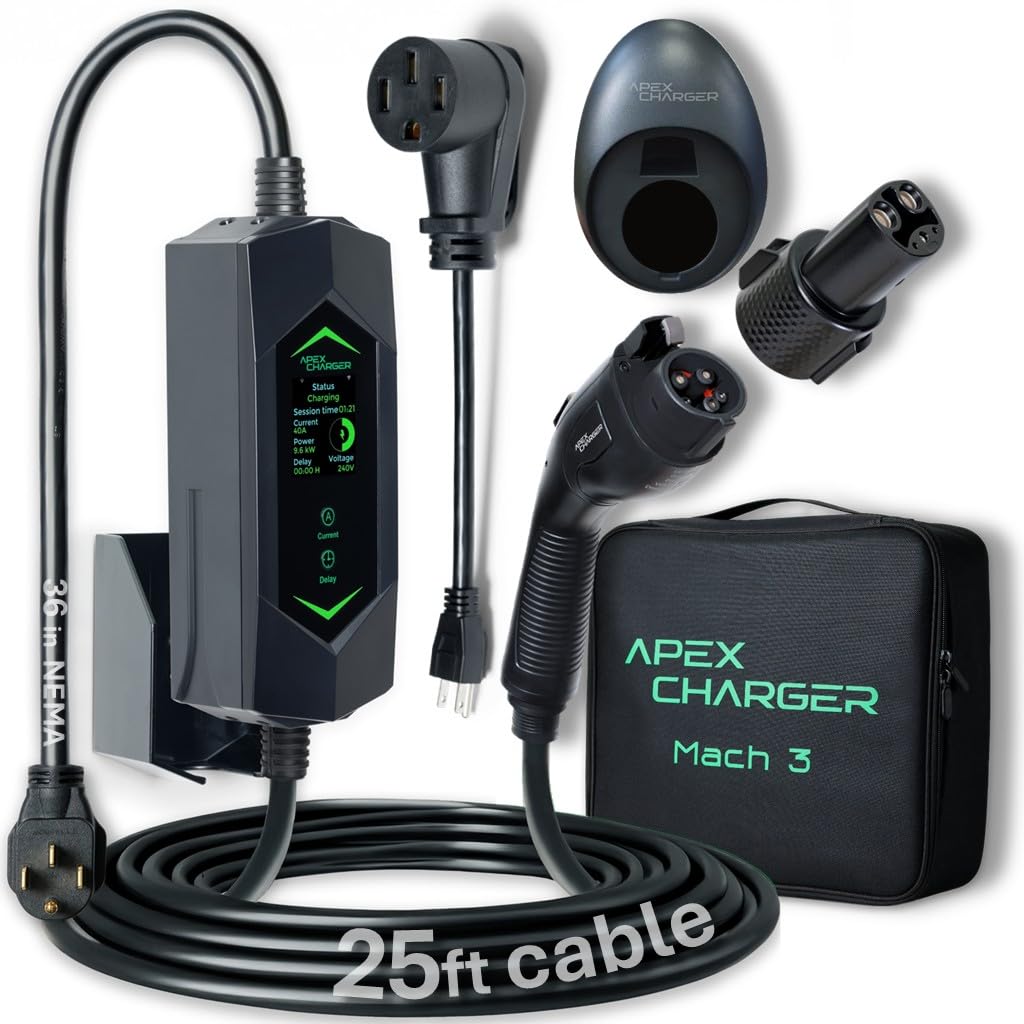
This is the most flexible pick for a household or travel setup that may need to charge both J1772 and NACS vehicles. The included Level 1 adapter reduces the need to carry a separate emergency charger.
Main limitation: Confirm exactly which connector configuration is selected before ordering. The listing makes several certification and warranty claims that should be checked on the current product page and documentation rather than assumed from the marketing copy alone.
What People Say
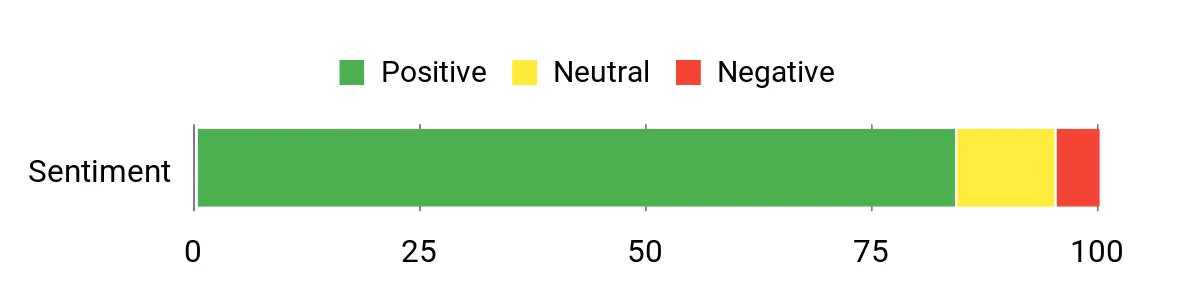
Listing feedback commonly praises connector flexibility, high-power charging, the long cable, and included accessories. Setup can take longer because there are more modes and options to understand.
Listing Feedback Trend: Generally positive, with the limitations above worth checking.
Ease Of Use
|
Feature |
Ease Level |
|---|---|
|
Initial Setup |
Moderate |
|
Daily Use |
Easy |
|
Connector Flexibility |
Easy |
|
Portability |
Moderate |
Charging Fit
Use 40A only on a correctly installed 50A circuit. When using the household adapter, follow the unit’s Level 1 current limit and inspect the receptacle for heat or looseness.
Key Benefits
- J1772 and NACS charging options
- Level 1 and Level 2 support
- 25ft cable
- Display and app control
Who Should Buy This
Choose it if one portable EVSE must serve vehicles with different North American charge inlets.
Check Product Details on Amazon
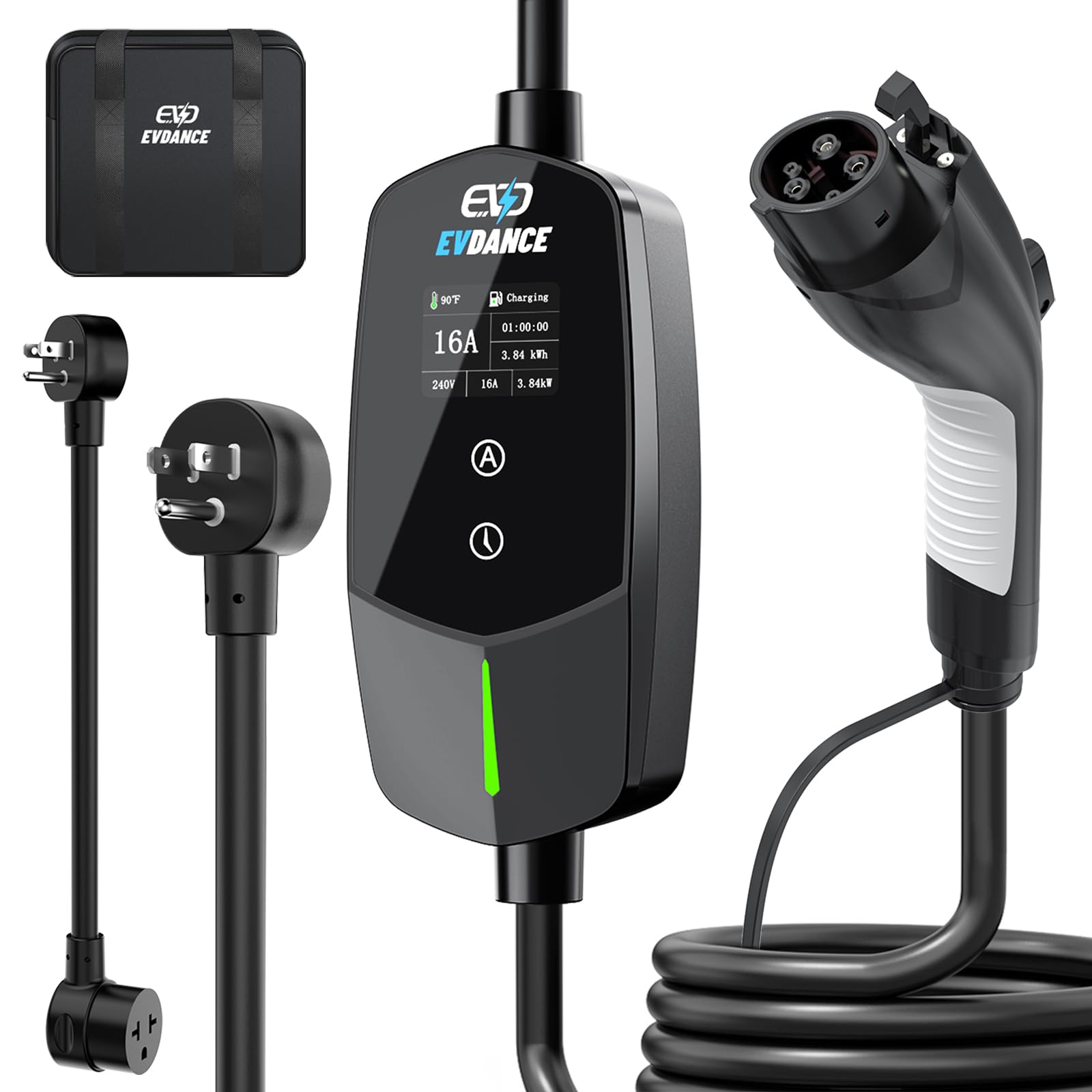
This model is aimed at buyers who want a long cable and simple on-device information in a charger that is easier to store than a 40A unit.
Main limitation: The current Amazon page could not be fully verified during this review, so confirm the included plug type, voltage support, current settings, certification, warranty, and vehicle compatibility on the live listing before purchase.
What People Say
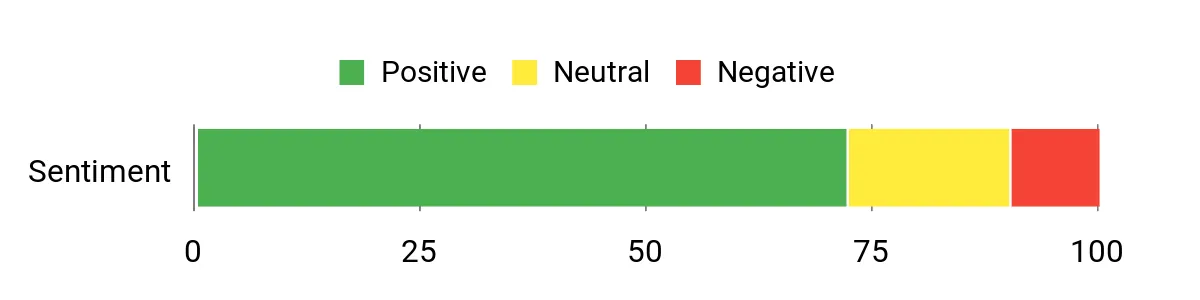
The source article describes positive feedback around the display, delayed start, and cable length. Treat those themes as general guidance and review the current listing details before relying on them.
Listing Feedback Trend: Generally positive, with the limitations above worth checking.
Ease Of Use
|
Feature |
Ease Level |
|---|---|
|
Setup |
Easy |
|
Controls |
Easy |
|
Scheduling |
Easy |
|
Portability |
Moderate |
Charging Fit
Best for overnight charging where a 16A maximum is enough. Match the selected current to a properly rated circuit and avoid improvised adapters or ordinary extension cords.
Key Benefits
- 25ft cable
- On-unit screen
- Delay-start control
- Lower-bulk alternative to 40A units
Who Should Buy This
Choose it only after confirming the live listing matches your outlet, connector, and required charging speed.
Check Product Details on Amazon
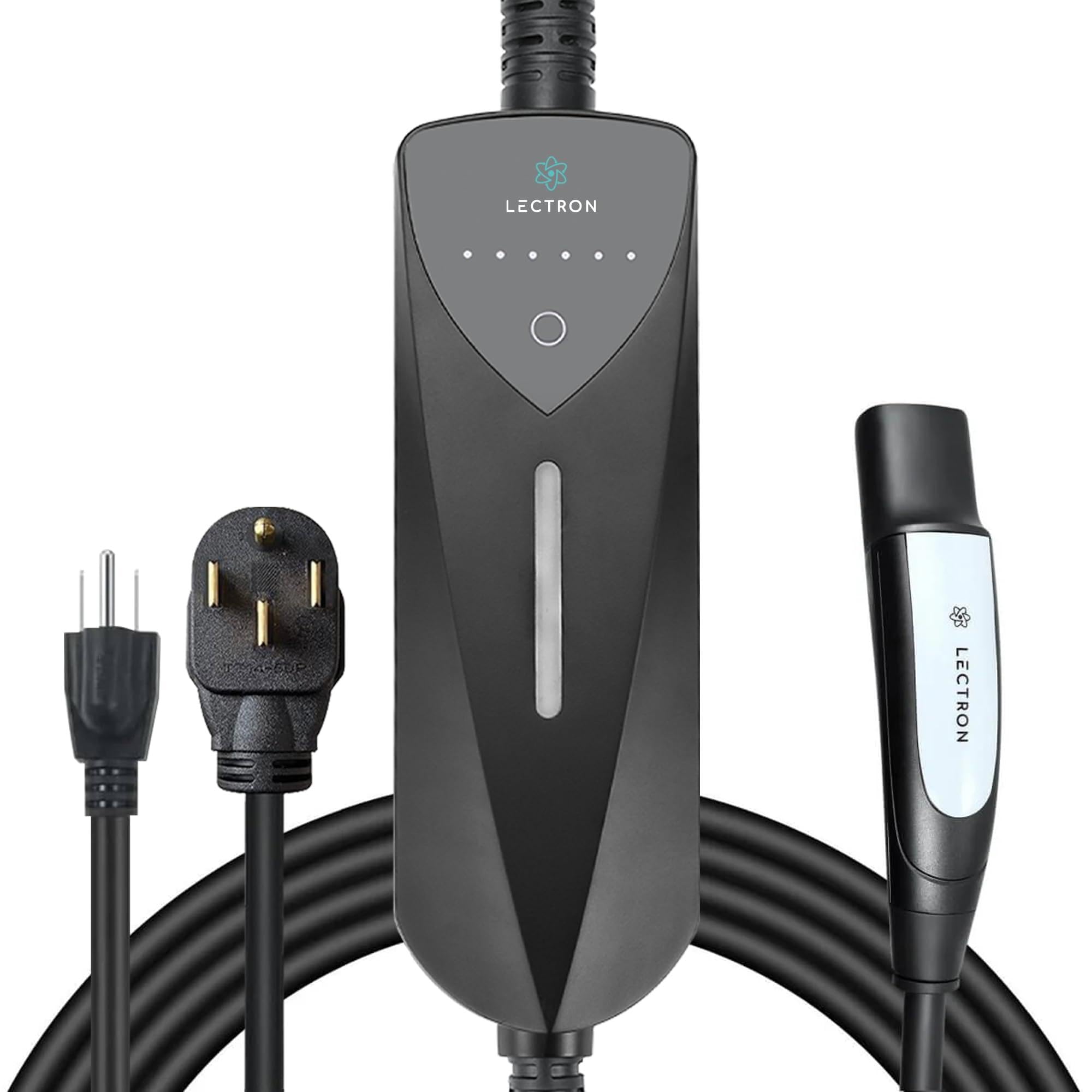
This is the clearest choice for Tesla and other NACS vehicles when you want both household-outlet backup charging and faster 240V charging from one unit.
Main limitation: It does not directly charge J1772-only vehicles. At 40A, it requires a properly installed 50A circuit, and its higher price may not make sense if you only need Level 1 backup charging.
What People Say
Listing feedback often highlights the wide amperage range, NACS connector, solid construction, and ability to switch between Level 1 and Level 2 charging.
Listing Feedback Trend: Generally positive, with the limitations above worth checking.
Ease Of Use
|
Feature |
Ease Level |
|---|---|
|
Initial Setup |
Moderate |
|
Daily Use |
Easy |
|
Switching Levels |
Easy |
|
Portability |
Moderate |
Charging Fit
Best for NACS vehicles and mixed home/travel use. The 20ft cable is shorter than the 25ft options, so measure the outlet-to-charge-port path before buying.
Key Benefits
- Native NACS connector
- Adjustable 8–40A range
- Level 1 and Level 2 plugs
- ETL-certified listing
Who Should Buy This
Choose it if your vehicle has a NACS inlet and you want one portable charger for both 120V and 240V outlets.
Check Product Details on Amazon
Portable EV Charger Buying Guide
Match The Connector First
Most older non-Tesla EVs use J1772 for AC charging, while Tesla vehicles and a growing number of newer North American models use NACS. An adapter may work in some cases, but direct connector support is simpler. Check the vehicle manual and charge-port type before buying.
Match The Plug And Circuit
A NEMA 5-15 plug supports slow Level 1 charging. NEMA 6-20 and NEMA 14-50 plugs can support faster Level 2 charging when the branch circuit is correctly sized. The outlet shape alone does not prove that the wiring, breaker, receptacle quality, or electrical panel can support the charger’s maximum setting.
Choose The Right Charging Speed
A 12A Level 1 unit can work for plug-in hybrids, low daily mileage, or emergency backup. A 16A Level 2 charger is a useful middle ground. A 32A or 40A unit is better for larger batteries and higher daily mileage, but only when the home circuit and vehicle onboard charger can use that power.
Check Cable Length And Storage
Measure the real path from the outlet to the charge port, including how you park. A 25ft cable gives more flexibility, but it is heavier and takes more trunk space. Keep connectors capped, dry, and protected from being driven over.
Look For Clear Safety Documentation
Prefer products that clearly identify a recognized testing certification for the complete EVSE, not only a cable or plastic material. Also check the warranty, operating-temperature range, weather-resistance rating, fault indicators, and seller support.
Before You Buy
- Confirm J1772 or NACS compatibility.
- Confirm the exact NEMA plug and whether any adapter is included.
- Check the maximum current your vehicle can accept.
- Verify the outlet and circuit with an electrician when needed.
- Measure cable reach before choosing 16ft, 20ft, 21ft, or 25ft.
- Check current certification and warranty details on the live listing.
FAQ
Do I Need A Special Outlet?
Not always. Many Level 1 portable chargers use a grounded 120V NEMA 5-15 outlet. Faster Level 2 charging needs a compatible 240V outlet such as NEMA 6-20 or NEMA 14-50. Higher-current charging should use a dedicated, correctly sized circuit and may require an electrician, permit, or panel upgrade.
How Fast Will A Portable EV Charger Charge?
Charging power is roughly voltage multiplied by current. A 12A, 120V charger supplies about 1.44kW. A 16A, 240V charger supplies about 3.84kW. A 40A, 240V charger can supply up to 9.6kW. Actual charging is limited by the vehicle’s onboard charger, battery condition, temperature, and charging losses.
Can I Use A Regular Extension Cord?
No. Use the EVSE cable as supplied unless the manufacturer specifically approves another arrangement. Ordinary extension cords and improvised adapter chains can add resistance, voltage drop, loose connections, and heat.
Can I Use A Portable Charger Outdoors?
Only when the charger, plug connection, and receptacle are rated and positioned for that environment. An IP rating helps describe enclosure protection, but it does not make an open plug connection waterproof. Keep connections off the ground and follow the product manual.
Should I Leave The Charger In The Trunk?
Yes, if it is stored dry, protected from sharp objects, and not exposed to temperatures outside the manufacturer’s limits. Coil the cable loosely and inspect the plug, connector, and control box before each use.
Will A J1772 Charger Work With A Tesla Or Other NACS Vehicle?
Usually only with a compatible J1772-to-NACS adapter. Some portable chargers include native NACS support. Check the vehicle maker’s adapter guidance because compatibility can vary by model and charging setup.
Wrapping Up
The best portable EV charger is the one that matches your vehicle inlet, outlet, circuit, daily mileage, and travel routine. The EVDANCE Combo is a practical dual-voltage J1772 backup, the ELEGRP 40A is the strongest fast-charging choice for a suitable 50A circuit, the Lectron WiFi adds smart control to Level 1 charging, and the Lectron NACS offers native NACS support across Level 1 and Level 2 outlets.
Before ordering, verify the live product listing, measure cable reach, and confirm that the electrical circuit can safely support the selected current. That final check matters more than any badge or advertised maximum charging rate.
| Product Name | Image | Amperage | Cable Length | Connector |
|---|---|---|---|---|
| EVDANCE Combo |
 |
12A at 120V / 16A at 240V | 25ft | J1772 |
| bokman 16A |
 |
6–16A adjustable | 20ft | J1772 |
| Raylix Timer |
 |
8–16A adjustable | 21ft | J1772 |
| ELEGRP 40A |
 |
40A | 25ft | J1772 |
| Lectron WiFi |
 |
12A at 120V | 16ft | J1772 |
| EVDANCE 40A |
 |
10–40A adjustable | 25ft | J1772 |
| Apex Mach3 |
 |
12A at 120V / up to 40A at 240V | 25ft | J1772 + NACS options |
| EVDANCE 16A |
 |
Up to 16A, verify live listing | 25ft | J1772 |
| Lectron NACS |
 |
8–40A adjustable | 20ft | NACS |
This roundup is reader-supported. When you click an Amazon link, we may earn a referral commission on qualifying purchases at no extra cost to you. Product specifications, seller details, and availability can change, so confirm the live listing before buying.
