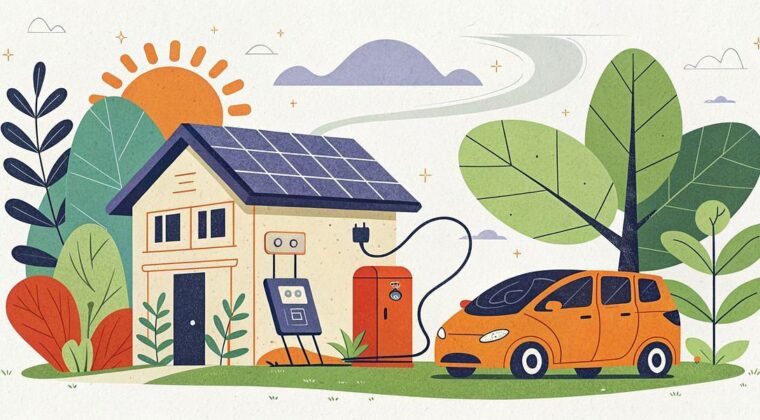
You want a reliable, portable way to add a few emergency miles, keep essential systems running, or power vehicle accessories when shore power is not available. A solar generator can help with quiet, battery-powered backup energy, but the right choice depends on usable capacity, continuous AC output, charger compatibility, and solar recharge speed.
This guide focuses on portable power stations and solar generator bundles that make sense for low-rate EV top-ups, home backup, RV use, camping, and outage planning. These units are not replacements for a dedicated Level 2 charger or a public DC fast charger, but the better high-capacity models can give you useful backup power when you plan around their limits.
Affiliate disclosure: This roundup is reader-supported. When you click through links, we may earn a referral commission on qualifying purchases.
Top Picks
|
Category |
Product |
Score |
|---|---|---|
|
🏆 Best Home Backup |
96/100 |
|
|
⭐ Best High-Capacity Portable |
95/100 |
|
|
🚀 Best Fast Recharge |
93/100 |
|
|
💼 Best Mobile Worksite |
92/100 |
|
|
🎯 Best Compact Fast Charge |
89/100 |
|
|
🔋 Best Compact Solar Input |
86/100 |
|
|
🎨 Best Mid-Range Value |
80/100 |
Selection Criteria
You should pick a solar generator based on how you plan to use it. For EV top-ups, the most important numbers are usable capacity in watt-hours, continuous AC output, and whether your portable EV charger can reduce its draw to match the power station. For backup use, runtime, battery chemistry, output stability, solar input, and portability matter just as much.
Portability, build quality, warranty terms, included solar panels, real-world recharge expectations, and expandability were also considered. A small power station may be great for camping but poor for EV charging. A large expandable unit may be better for outage planning but too heavy for casual travel.
Quick Verdict
If you want the most useful emergency EV top-up and home-backup setup, start with the Jackery HomePower or Jackery Explorer 2000. If fast recharge is the priority, the EcoFlow Delta 3 Max is the strongest fit. If you want a compact unit for light top-ups, fridge backup, camping, and device power, the Jackery 1000 or EcoFlow Delta 3 Classic makes more sense.
Important: Always check your EV charger’s wattage before buying. Many portable EV chargers need more power than small battery stations can safely supply.
This is the strongest choice in the lineup if you want home-scale backup that can also support low-rate EV charging when your charger draw is within the unit’s AC rating. The large battery gives you more useful runtime than 1kWh-class stations, while the high AC output makes it better suited for refrigerators, routers, sump pumps, small appliances, and other essential loads.
It is not a tiny travel power bank, so plan on garage, RV, or home storage rather than backpack-style portability. If you want one system for outages and occasional EV emergency miles, this is the most complete option here.
What People Say
People commonly point out how reassuring it is to have a unit that can run major appliances during an outage. Buyers mention the capacity and output as standouts, and many appreciate the simple setup and mobility thanks to the wheeled design.
A few users note that large solar panels take space and careful placement. Overall, the feedback centers on reliability, runtime, and peace of mind.
Overall Sentiment: Positive

Versatility
You can use it as an emergency household backup, an RV power source, or a staging unit for off-grid projects. Its expandability means you can start with one system and add more storage later if your needs grow.
Indoor/Outdoor Use
Indoors, it can power sensitive electronics and key appliances without exhaust or fuel storage. Outdoors, it pairs with solar panels for off-grid charging, but panel placement, weather, and shade will affect recharge speed.
Key Benefits
- Large 3584Wh LFP capacity for longer backup runtime
- 3600W continuous AC output for heavier household loads
- Expandable design for users who may need more backup capacity later
- Better fit for low-rate EV top-ups than small 300W or 500W stations
- Wheeled design and straightforward setup for garage or home use
Who Should Buy This
Choose this if you want a serious home-backup solar generator that can also support carefully planned EV emergency charging.
Who Should Avoid This
Skip it if you only need to charge phones and laptops, or if you want something lightweight enough to carry long distances.
If you want a serious portable battery that bridges camping trips and home backup, this unit is a strong contender. It delivers enough output for many household appliances, handles sensitive electronics, and can accept solar charging when paired with compatible panels.
For EV owners, think of it as a practical emergency top-up option rather than a daily charging solution. It can add modest range with the right low-draw EV charger, but its real strength is covering refrigerators, routers, medical devices, tools, and campsite loads.
What People Say
Users frequently praise the Explorer 2000 for its solid build and dependable power delivery, noting that it handles refrigerators, medical devices and camping setups well. People also appreciate the fast recharge and UPS feature for electronics, while mentioning the unit’s weight as the main tradeoff for higher capacity.
Overall Sentiment: Positive

Versatility
This is a multi-role unit: dependable home backup during outages, a capable RV or campsite power source, and a practical way to add a few miles to an EV if you only need a slow top-up. It also works well as a backup power source for workstations or medical devices.
Indoor/Outdoor Use
Indoors, it is useful for sensitive equipment because of the clean output and backup behavior. Outdoors, it pairs well with solar panels for off-grid use, but recharge speed depends on sun and panel placement. Expect vehicle transport rather than easy hand carry.
Key Benefits
- Large 2042Wh LiFePO4 capacity for long runtimes
- 2200W continuous output to run heavier appliances
- Useful backup behavior for electronics and essential devices
- Compatible with solar charging when matched with supported panels
- Better balance of power and portability than full-size home systems
Who Should Buy This
Choose this if you want a high-capacity portable station for outages, RVs, camping, and occasional EV emergency charging.
Who Should Avoid This
Skip it if you need whole-house backup for several days or a very lightweight unit for quick day trips.
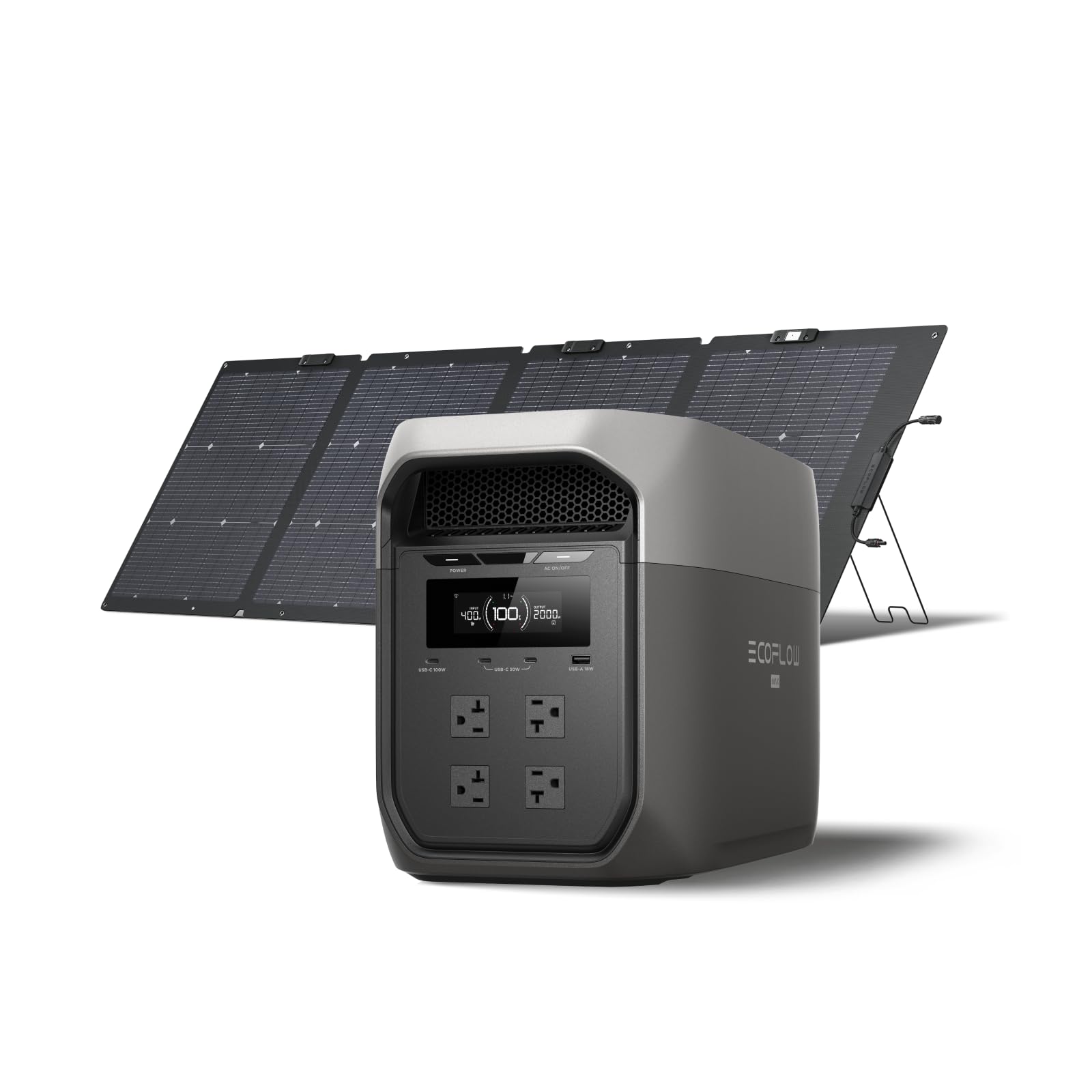
You’re looking at a fast-recharging power station that still fits in a vehicle and works for home backup, campsite power, or mobile work. The main appeal is quick recovery between uses, which matters if you need the battery ready again before the next outage, trip, or work session.
For EV support, verify the exact continuous AC rating and your charger’s draw before plugging in. Used correctly, this type of unit is best for modest emergency range, appliances, tools, and backup power rather than full EV charging.
What People Say
Many users appreciate how quickly the unit can recover charge and that it delivers usable power for fridges, lower-draw appliances, and workshop tools. People also note the convenience of the included panel and compact design, while mentioning that real-world solar input varies with conditions and panel placement.
Overall Sentiment: Positive

Versatility
You can use it as a fast-recharging home backup, a heavy-duty campsite or RV power source, or a mobile unit for job sites where you need sustained wattage. It is a flexible choice if you want one device to cover emergencies, outdoor life, and occasional heavier loads.
Indoor/Outdoor Use
Indoors it provides clean, stable power for electronics and can act as temporary backup for essentials. Outdoors it is easy to set up with the foldable panel and handles, though solar recharge depends on sun angle and exposure.
Key Benefits
- Very fast AC recharge behavior for quick turnaround
- High-output design with X-Boost support for larger appliance startup loads
- 220W solar panel included for daytime charging
- Multiple ports, including USB-C support for modern devices
- Compact footprint for a high-power portable station
Who Should Buy This
Choose this if fast recharge speed matters as much as battery capacity.
Who Should Avoid This
Skip it if you want the longest EV top-up runtime. A larger battery bank will usually serve that goal better.
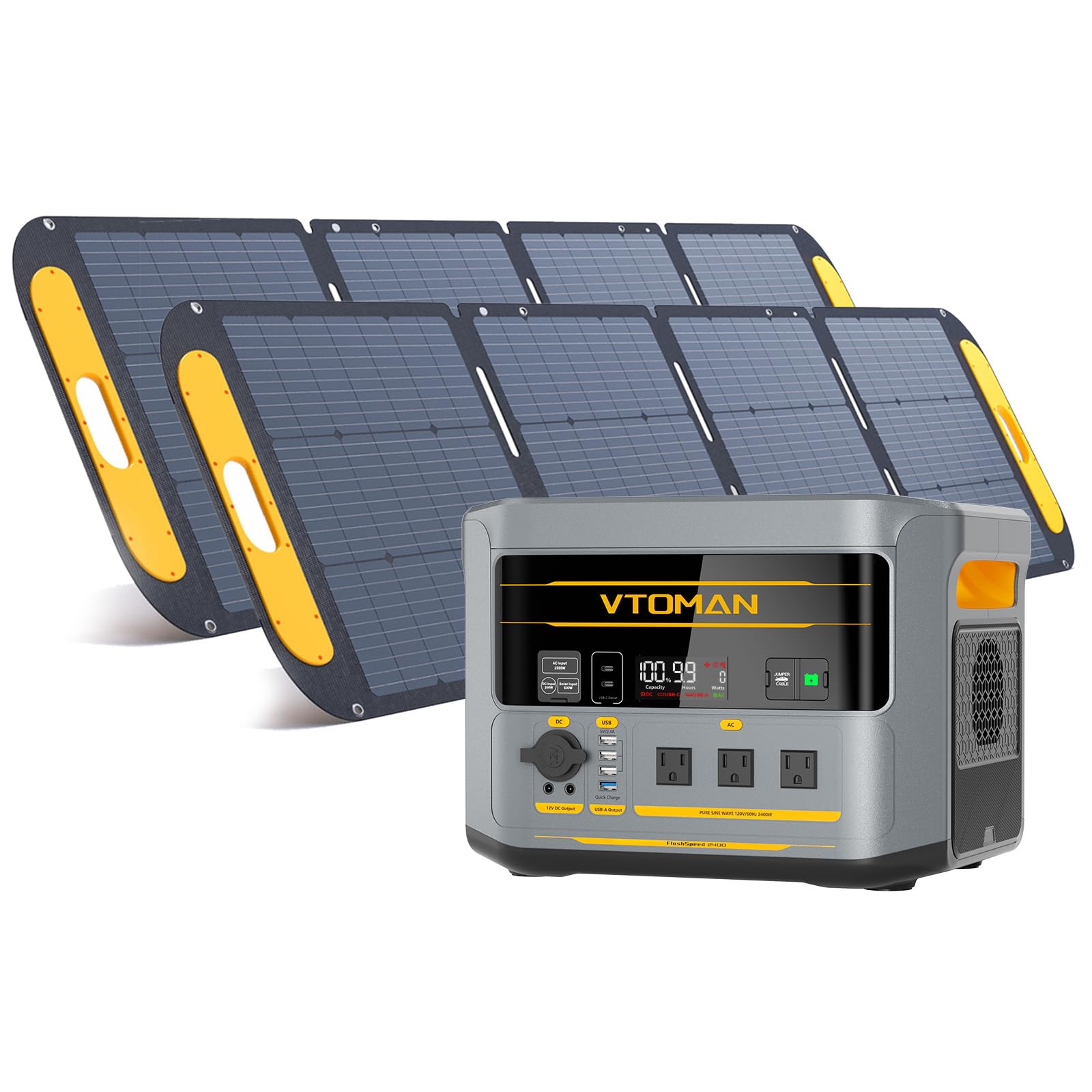
This is a heavyweight portable station made for real work and long outages. You can run appliances, charge tools at a job site, keep a CPAP or router powered for extended periods, and still move the unit on its wheels when you need to reposition it.
The large LFP battery plus fast AC charge capability means you spend less time waiting around and more time using power where it matters. It is not a shoulder-carry device, but if you want dependable energy that feels closer to jobsite gear than a camping gadget, this is a practical choice.
What People Say
Users tend to highlight the impressive capacity and fast recharge behavior, which makes it useful for both extended outages and active job sites. Many appreciate the clear digital readout and the convenience of wheels for moving a heavy station, while others note that it is bulky to lift.
Overall Sentiment: Positive

Versatility
You can rely on it as a home backup for essential loads, an RV or campsite power hub, or a mobile worksite battery for tools and electronics. It is suited to situations where runtime and output matter more than lightweight portability.
Indoor/Outdoor Use
Indoors it delivers stable power for sensitive gear and can support essential devices during outages. Outdoors it is robust for camping or job sites, but you will want a vehicle to move it comfortably and good sun and panel placement for solar recharge.
Key Benefits
- Very large LFP battery capacity for long runtimes
- High continuous AC output for heavier appliances and tools
- Fast AC charging reduces downtime between uses
- Digital display and monitoring make setup straightforward
- Wheeled design eases transport despite the unit’s weight
Who Should Buy This
Choose this if you need a serious mobile power station for heavy loads, long outages, or jobsite use.
Who Should Avoid This
Skip it if you need a small unit for trunk storage, quick errands, or basic device charging.
This is a solid mid-weight option when you need serious portable power without hauling a full home backup system. You can run small appliances, charge laptops and phones, keep a CPAP going for nights, and support a very low-rate EV top-up when your charger draw is compatible.
The fast recharge capability makes it easy to top up between outings, and the included solar panel gives you a useful off-grid recharge path when the sun is strong. It is best viewed as a compact emergency and travel unit, not a main EV charging source.
What People Say
People often highlight how dependable and well built this unit feels, and how handy the fast recharge is for shorter trips. Many users mention it powering CPAPs, kitchen devices and camping setups reliably, and that the solar panel is straightforward to deploy.
The general impression is that it is a practical, no-nonsense option for both emergency backup and outdoor living.
Overall Sentiment: Positive

Versatility
You can park it in a closet for home backup, load it in an RV for seasonal use, or keep it in the trunk for longer camping trips. It works for overnight medical support, powering tools for short jobs, or giving an EV a small emergency top-up.
Indoor/Outdoor Use
The clean sine wave output and multiple ports make it useful indoors for sensitive electronics and small appliances. Outdoors it is built to be moved and set up with the foldable solar panel, though solar recharge depends on sun availability and panel positioning.
Key Benefits
- 1070Wh LiFePO4 capacity with stable output for sensitive devices
- 1500W continuous AC power handles many common household appliances
- Fast recharge behavior keeps the unit ready between uses
- Includes 200W solar panel for off-grid charging
- More portable than larger 2kWh and 3kWh systems
Who Should Buy This
Choose this if you want a manageable power station for camping, outages, and occasional light EV backup planning.
Who Should Avoid This
Skip it if you expect long EV charging sessions or need to power several large appliances at once.
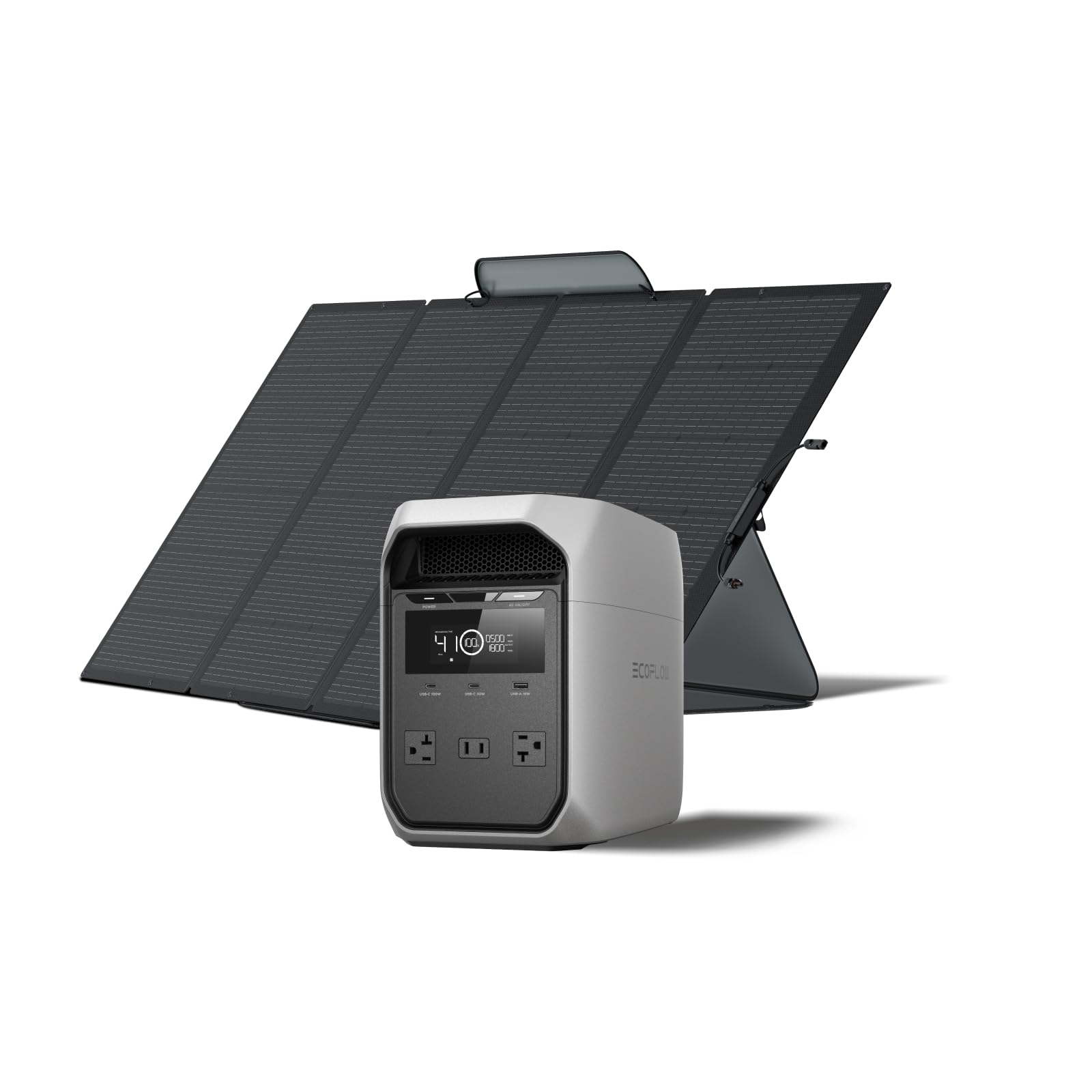
This version pairs a compact but capable 1kWh battery with a 400W panel so you can recharge during the day instead of relying only on a small trickle panel. You can run a fridge, charge laptops and phones, power a CPAP for nights, or support a low-rate EV top-up when the charger draw matches the station’s rating.
It is easier to move than full home systems and built to be practical: stable AC output, multiple ports, and a footprint that fits in a vehicle. If you want a balance of portability, useful capacity, and stronger solar input, this model covers a lot of real-world needs.
What People Say
People often mention that the bundled 400W panel makes a real difference for daytime charging, turning solar into a more useful source rather than a slow trickle. Many appreciate the unit’s dependable output for essentials like fridges, routers and medical devices and praise the compact size for trips.
A few users remind you that panel placement and weather still control real charging speed.
Overall Sentiment: Positive

Versatility
Use it as a compact home backup for critical loads, a campsite workhorse that recharges during the day, or a mobile unit to support light EV top-ups and accessories. It is flexible if you need one system to handle both emergency use and outdoor life.
Indoor/Outdoor Use
Indoors it provides clean power for sensitive electronics and can act as temporary backup for essentials. Outdoors it is straightforward to set up with the included panel, though peak solar input requires good sun and careful panel orientation.
Key Benefits
- 400W solar panel included for faster solar recharge
- 1024Wh LiFePO4 battery balances runtime and portability
- 1800W AC output handles small appliances and sensitive gear
- 100W USB-C PD for modern device charging
- Compact footprint that is easier to transport than larger home systems
Who Should Buy This
Choose this if solar recharge speed matters but you still want a station that fits in a vehicle.
Who Should Avoid This
Skip it if you want long EV charging runtime. A 1kWh-class battery is better for backup and modest top-ups than sustained vehicle charging.
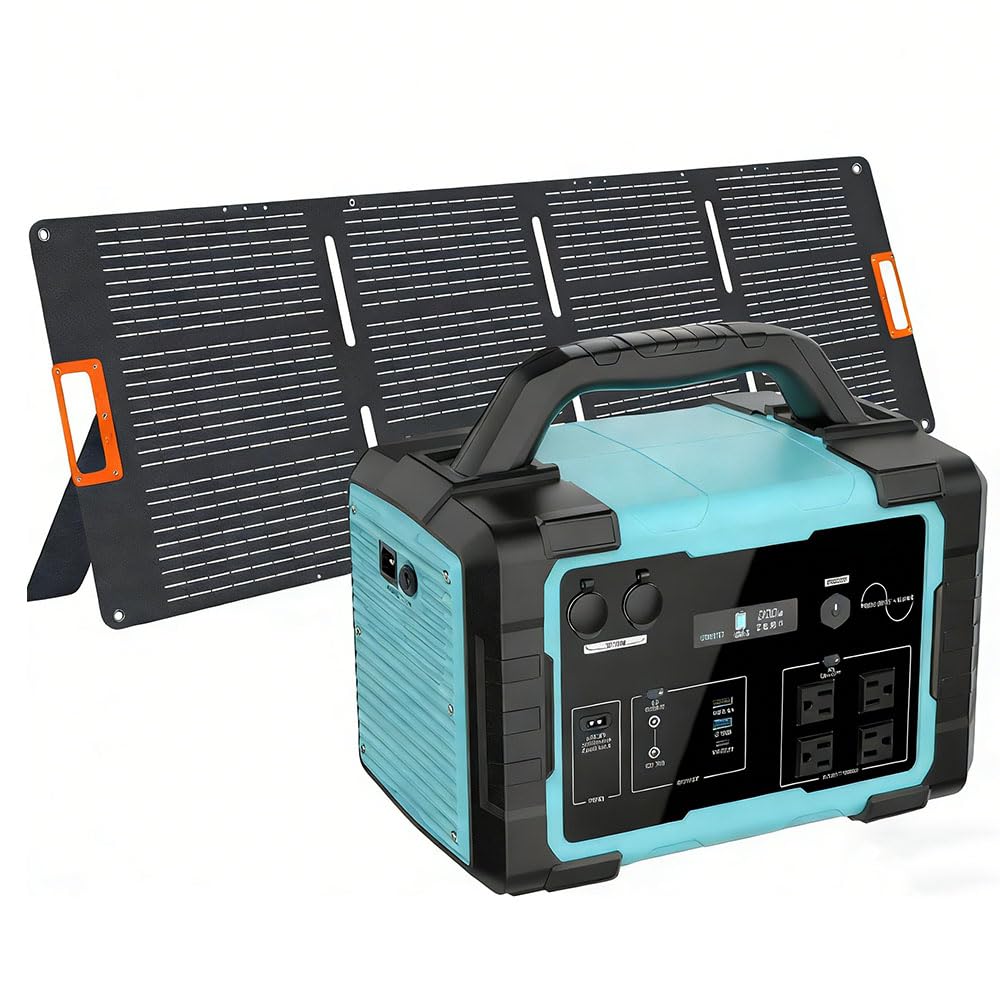
This kit aims to give you a middle ground between lightweight camping stations and full home backups. With about 1kWh of usable energy and 1800W continuous output, it can run small kitchen appliances, power tools for short jobs and keep essentials like a fridge or router going during outages.
The digital display and automatic voltage regulation make it easier to monitor power use, and the included 200W panel adds a solar recharge option when you can position it in direct sun. Because brand support and warranty details may matter more with value-focused power stations, check the current Amazon listing carefully before buying.
What People Say
People tend to appreciate straightforward built-in features like the digital readout and automatic voltage regulation that simplify setup and monitoring. Owners also note the convenience of the included panel and that the unit can handle common outage loads, while some mention that solar recharge and overall performance depend heavily on panel placement and sunlight.
Overall Sentiment: Neutral

Versatility
You can use it for weekend camping, as a backup for critical home devices, or to power small tools on-site for a few hours. It is best when you need steady, predictable output rather than ultra-portable low-capacity power.
Indoor/Outdoor Use
Inside the home it is suitable for common electronics and small appliances when used within its limits. Outside it is easy to deploy with the included panel, though recharge speed varies with weather and how well you can orient the panel toward the sun.
Key Benefits
- 1024Wh LiFePO4 capacity paired with 1800W continuous output
- Automatic voltage regulation and clear digital display for easier operation
- Includes 200W solar panel for off-grid recharge support
- Multiple AC and DC outlets for varied devices
- Potential value option for buyers comparing 1kWh-class stations
Who Should Buy This
Choose this if you want a value-focused 1kWh-class station and are comfortable checking warranty, support, and bundle details before ordering.
Who Should Avoid This
Skip it if you want the strongest brand ecosystem, the fastest solar recharge, or a larger battery for longer EV top-up sessions.
Before You Buy
- Check charger draw: Your portable EV charger must draw less than the power station’s continuous AC output.
- Match capacity to miles: A 1kWh battery may only add a few miles after inverter and charger losses.
- Confirm solar input: A bigger battery needs enough solar panel wattage if you want meaningful daytime recharge.
- Plan for weight: 2kWh and 3kWh stations are better moved by vehicle, cart, or wheels.
- Verify bundle contents: Amazon listings can change, so confirm whether solar panels, cables, and adapters are included.
- Check warranty and support: For emergency backup, brand support and replacement parts matter.
FAQ
Can a Solar Generator Charge My EV?
Yes, a solar generator can charge an EV in some situations, but expectations matter. Most portable units are best for low-rate emergency top-ups, not daily charging. The limiting factors are battery capacity, continuous AC output, inverter losses, and the wattage of your portable EV charger.
Before you connect anything, check the EV charger’s power draw and make sure the generator’s continuous AC output is higher than that draw. Also remember that not all watt-hours stored in the power station reach the vehicle battery because of conversion losses.
How Do I Choose Capacity and Power?
Focus on two things: usable capacity in Wh and continuous output in W. Capacity determines how much total energy you can deliver, while continuous output determines whether the station can safely run your charger or appliances.
For EV use, work backwards from the miles you want to add. For home backup, list the devices you need to run, their wattage, and how many hours they must stay on. Choose a unit with extra output headroom so it is not constantly running at its limit.
How Long Will Solar Recharging Take?
Recharging time depends on panel wattage, sunlight, temperature, shade, and the station’s solar input limit. In ideal sun, a 400W panel setup can replace energy much faster than a 100W or 200W setup, but cloudy weather and poor panel angle can slow charging sharply.
If fast turnaround matters, choose a model with higher solar input, use more compatible panels when supported, aim panels carefully, and use AC fast charging when available.
Is a Portable Solar Generator Better Than a Gas Generator?
A battery solar generator is quieter, has no exhaust, and can usually be used indoors when operated according to the manufacturer’s instructions. A gas generator often provides longer runtime if you have fuel, but it must stay outside because of carbon monoxide risk.
For EV owners, battery systems are cleaner and easier to store, but large gas or whole-home systems may still provide more sustained power during long outages.
What Size Solar Generator Is Best for EV Emergency Charging?
For meaningful EV emergency charging, start with at least a 1kWh-class station and enough continuous AC output to support your charger. For better results, a 2kWh to 3kWh-plus station is more useful because it can deliver more energy before the battery is drained.
Small 300W-class units are better for accessories, phones, laptops, fans, lights, and inflators. They are not a good match for EV charging.
Wrapping Up
If you plan to charge an EV regularly at anything beyond a trickle, prioritize large capacity and high continuous wattage so the unit can sustain a portable EV charger for a useful amount of time. Choose a heavyweight, expandable system like the Jackery HomePower or a high-capacity portable unit like the Jackery Explorer 2000 for more serious backup needs.
If fast recharge from AC or shore power is your priority, the EcoFlow Delta 3 Max is a strong fit. For compact backup, camping trips, and small emergency top-ups, the Jackery 1000 or EcoFlow Delta 3 Classic makes more sense. Match watt-hours to the miles or runtime you want, check the continuous watt rating against your charger, and factor in how many panels you can realistically deploy.
| Product Name | Image | Capacity | Continuous Output | Best For |
|---|---|---|---|---|
| Jackery HomePower 3600 Plus |
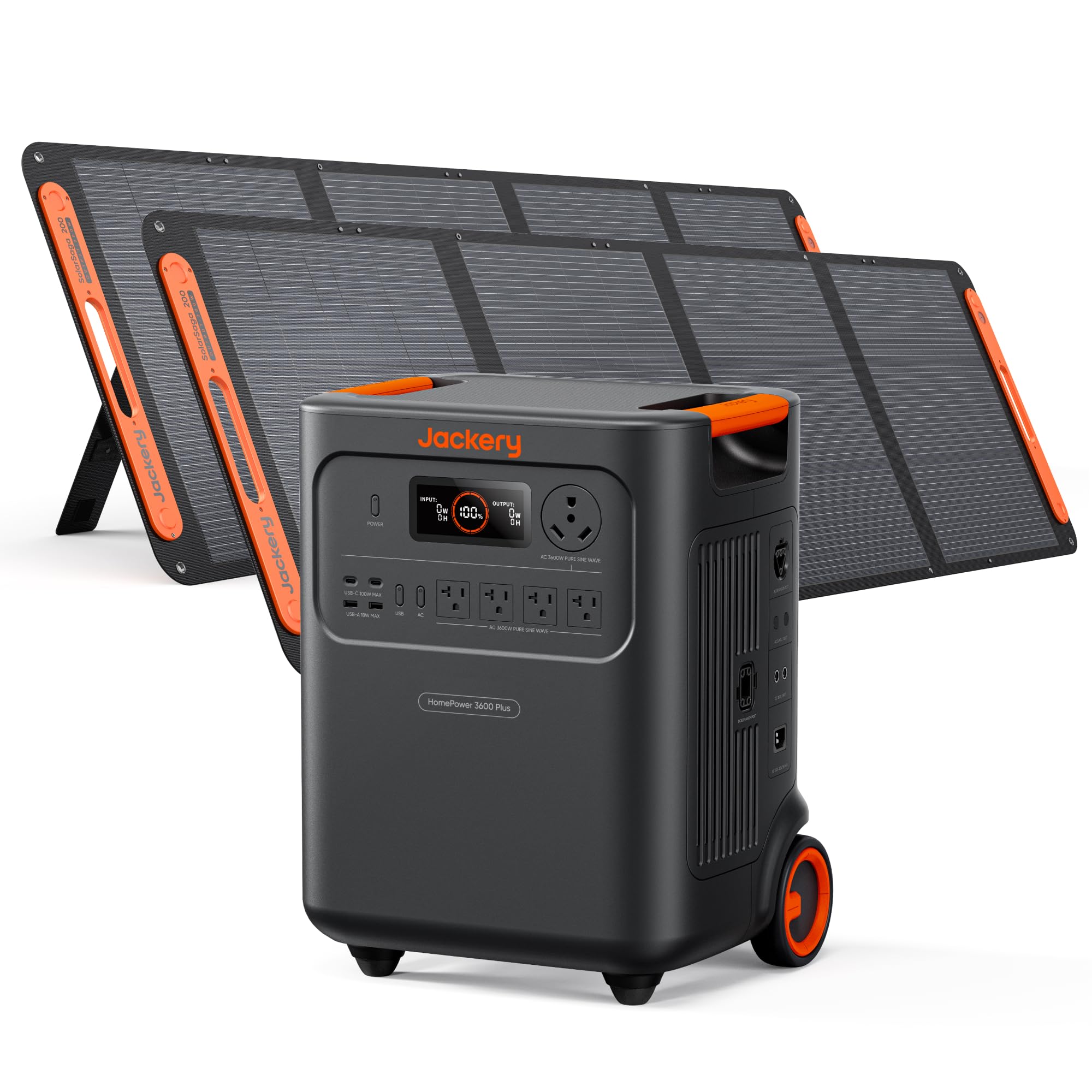 |
3584Wh | 3600 watts | Home backup and stronger EV emergency top-ups |
| Jackery Explorer 2000 v2 |
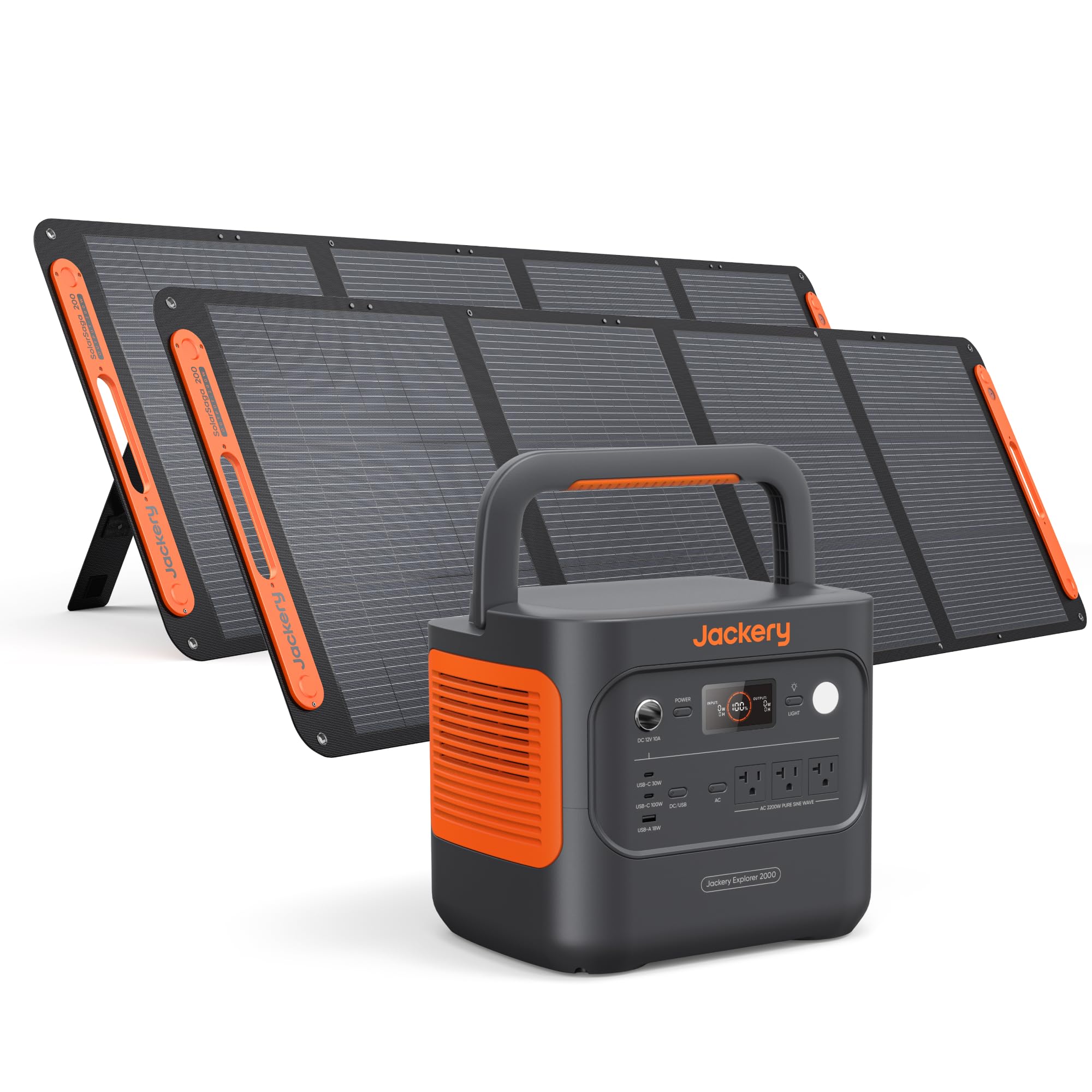 |
2042Wh | 2200 watts | High-capacity portable backup |
| EF ECOFLOW Portable Power Station DELTA 3 MAX |
 |
Check current listing | High-output with X-Boost support | Fast recharge and higher-draw backup loads |
| VTOMAN FlashSpeed Pro 3600 |
 |
3096Wh-class | High continuous output | Worksites, RVs, and heavy backup use |
| Jackery Solar Generator 1000 v2 |
 |
1070Wh | 1500 watts | Compact backup and light top-ups |
| EF ECOFLOW Solar Generator DELTA 3 Classic 1024Wh |
 |
1024Wh | 1800 watts | Compact solar input and camping backup |
| STARYLINE Solar Generator 1800W |
 |
1024Wh | 1800 watts | Value-focused home and camping backup |
This Roundup is reader-supported. When you click through links we may earn a referral commission on qualifying purchases.