

Yes, a tire inflator can help you with a flat caused by normal air loss or a small puncture, and it can get you to a safe repair shop. It won’t fix sidewall damage, large holes, or a tire with major structural failure. If you use sealant, drive a few miles so it spreads, then recheck pressure. Correct inflation still matters for handling, braking, and tire life, and the limits are worth knowing.
Key Takeaways
- A tire inflator can restore pressure for minor leaks or small punctures, helping you drive to a safe repair location.
- It cannot fix large punctures, sidewall damage, or severe tire structural problems.
- Sealant can temporarily plug punctures up to 1/4 inch when used with an inflator.
- Correct tire pressure is still essential for safety, handling, fuel efficiency, and tire life.
- After using sealant, drive briefly, recheck pressure, and get a professional permanent repair.
What a Tire Inflator Can Fix
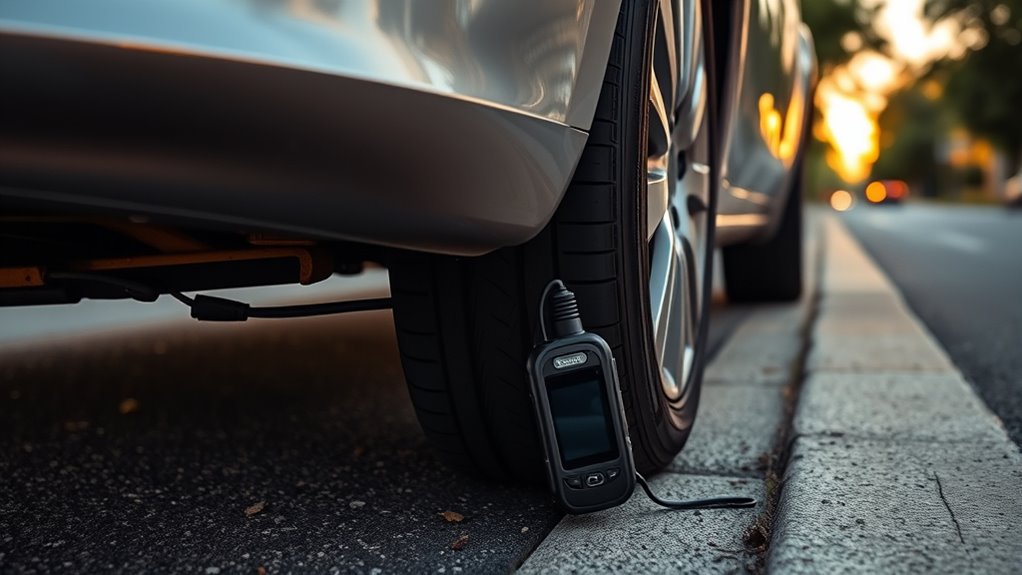
A tire inflator can restore air to a tire that has lost pressure from normal leakage or a minor puncture up to 1/4 inch, giving you enough inflation to drive to a safe location for a permanent repair.
When you face a flat tire, use a tire inflator to return the tire to proper tire pressure and keep the vehicle controllable. Many tire repair kits pair the inflator with sealant, letting you seal minor punctures and inflate tire pressure in one temporary repair.
Use a tire inflator to restore proper pressure and control, while sealant can temporarily repair minor punctures.
This setup helps you manage common punctures without calling for immediate roadside assistance, so you can keep moving with purpose. The inflator also supports routine pressure maintenance, which reduces chronic under-inflation and the failure risk associated with it.
For a clean, practical response, use it on tread-area damage only, then arrange a full inspection and repair. It won’t address sidewall damage, but it can stabilize minor leaks effectively and quickly.
What a Tire Inflator Can’t Repair
Even a capable tire inflator has clear limits: it can’t repair punctures larger than 1/4 inch, and it won’t fix sidewall damage.
You can use a tire inflator for tread punctures, but once the damage exceeds its sealing capabilities, the unit can’t restore structural integrity. If you keep adding air to a severely damaged tire, you may worsen the failure and trigger blowouts.
A sealant-based temporary repair can get you moving, yet it isn’t a lasting solution and may disrupt Tire Pressure Monitoring Systems. Treat it as a short bridge, not a cure.
For real safety, you need permanent repairs such as a proper patch or plug, done after inspection. That choice protects your wheel, your control, and your freedom to travel without guessing.
When the tire’s injury is in the sidewall or too large for the inflator, stop relying on air and sealant and move to professional service.
How Tire Sealant Seals a Puncture
When you inflate a tire that has sealant inside, the liquid coats the inner liner and spreads outward, where it can flow into a puncture up to 1/4 inch in diameter and form a temporary airtight seal. Your tire inflator helps distribute the tire sealant, so fibers and particles can plug the hole as the wheel rotates.
| Step | What you do | Result |
|---|---|---|
| 1 | Inflate | Sealant moves |
| 2 | Drive briefly | Hole plugs |
| 3 | Check | Temporary hold |
For emergency use, this gives you mobility without surrendering to the roadside. Different sealant products vary, and some work for about 100 miles. You shouldn’t treat them as permanent; they’re a bridge, not freedom itself. Some tires won’t accept sealant, and overuse can complicate professional repairs. Use it only when you need fast, practical recovery, then plan a proper inspection.
Why Tire Pressure Still Matters
Proper tire pressure still matters because it directly affects how your vehicle performs and how safe it’s to drive. When you keep tire pressure at spec, you improve traction, steering response, and braking.
Even a 3 psi drop can lengthen stopping distances and make handling less predictable. If you need flat tire repair, you can inflate tire enough for a temporary repair, but that doesn’t replace proper tire pressure.
Monitoring pressure regularly helps you avoid chronic under-inflation, which the NHTSA links to tire failures and blowouts. It also supports fuel efficiency, cutting waste by up to 3% over time.
Correct pressure reduces flexing, heat buildup, and uneven wear, so your tire lifespan improves and replacement costs fall. You’re not just preserving rubber; you’re protecting vehicle safety and keeping control when road conditions change.
Check pressure when tires are cold, and verify readings after every repair or long trip.
What to Do After Using Tire Sealant
After you apply tire sealant, drive 2 to 4 miles so it can spread evenly inside the tire.
Then recheck the tire pressure and inflate it to the manufacturer’s specified level as soon as possible.
If the pressure drops again or the seal doesn’t hold, get professional repair help.
Drive Several Miles
Drive at least 2 to 4 miles after applying tire sealant so the product can spread evenly inside the tire and seal the puncture effectively.
Keep your speed moderate and your steering smooth while you drive this short distance. The sealant needs motion to coat the inner liner and stabilize the temporary repair.
After that run, check the tire pressure with a gauge, and inflate it to the manufacturer’s spec if needed.
If the tire feels unstable, loses pressure, or handles poorly, stop and inspect it. This step doesn’t restore full freedom from risk; it only buys time.
For lasting safety, visit a qualified tire professional promptly so they can confirm the repair or replace the tire if the damage is beyond sealant’s limits.
Recheck Tire Pressure
Once you’ve driven 2 to 4 miles so the sealant can spread, check the tire pressure with a gauge or at a gas station and compare it with the recommended pressure on the Safety Certification Label.
If you use a tire inflator, recheck tire pressure until you reach proper tire pressure. This temporary repair depends on even sealant distribution, so don’t skip the drive the vehicle step or the measurement.
Keep monitoring tire pressure over the next trip because it can fall as the sealant shifts. Record the mileage driven and each reading; clear notes help you track whether the fix holds.
If pressure drops again or won’t stabilize, consult a qualified tire professional. They can inspect the tire and replace the temporary repair with a permanent solution.
When a Tire Inflator Isn’t Enough
A tire inflator can get you moving after a minor puncture, but it isn’t a fix for major tire damage. If the hole is larger than 1/4 inch, the tire inflator won’t seal it reliably. You also can’t depend on it for sidewall damage, shredded rubber, or any sign of structural failure.
In those cases, pushing air or sealant into the tire may worsen the leak and make the tire unsafe. Treat inflator and sealant use as temporary repairs for short-term use only, just enough to reach a service location.
They can also affect your Tire Pressure Monitoring System, which may complicate diagnostics and cleanup. Don’t keep driving on a seriously damaged tire and expect freedom from consequences; you’ll only increase risk.
Automakers recommend professional repair, then permanent repairs like a patch or plug when the casing is still salvageable. If the tire’s damage is beyond that, replace it.
Frequently Asked Questions
What Is the 5 PSI Rule?
The 5 PSI rule means you should inflate your tire to about 5 PSI above the recommended tire pressure, then recheck after driving.
You use it with inflator types, air compressors, and tire gauges to offset air loss and sealant spread.
This practical maintenance tip improves safety and helps a flat tire hold during a road trip.
It’s useful in emergency kits, but you still need regular inflation frequency checks.
Will It Ruin Tires if You Inflate Them to 40 PSI Instead of 35 PSI When the Recommended PSI Is 35?
Yes, a 40 psi fill won’t instantly ruin your tires, but it can create overinflation risks if you keep driving that way.
You may see tire damage, uneven wear patterns, and reduced handling performance. Your tire pressure should stay near the recommended pressure, because inflation effects, temperature effects, and safety concerns matter.
You’ll also lose some fuel efficiency and traction. Check cold pressures often and correct them back to spec.
What Are the Limits of Patching a Tire?
You can patch a tire only if the puncture location sits in the tread and the hole’s small; sidewall damage, shoulder cuts, or worn tread depth usually mean replacement.
Tire repair works best when tire age is modest, air leaks are stable, and pressure monitoring stays accurate.
Patch longevity drops with harsh driving habits, seasonal changes, and weak maintenance tips.
For safety, you shouldn’t patch beyond manufacturer limits or gamble on structural integrity.
How Fast Can You Drive With Run Flats if They Are 0 PSI?
You can drive a run-flat at 0 psi up to 50 mph for about 50 miles, like a lantern guiding you to safety.
Use tire pressure monitoring, follow driving safety practices, and treat it as an emergency tire solution, not normal travel.
Run flat advantages include puncture resistance features, but handling performance impact and ride comfort considerations grow fast.
Replace it soon; tire longevity myths and inflation frequency tips won’t save it.
Conclusion
A tire inflator can get you back on the road, but it won’t repair structural damage, sidewall cuts, or large punctures. If you use sealant, check pressure right away and drive only as long as needed to reach service. You should inspect the tire afterward, because a temporary fix can’t replace a proper repair. When the damage is beyond sealant, don’t persist like a knight with a bent lance—replace the tire promptly.