
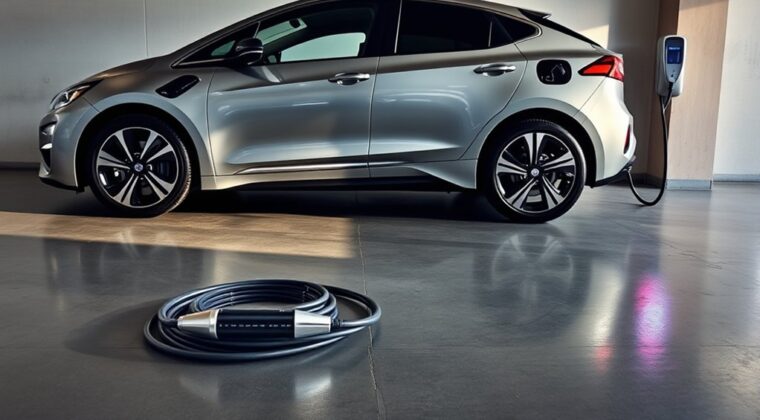
Choosing between a Tesla Mobile Connector and a Wall Connector comes down to how often you charge at home, how much range you need overnight, and whether you can install a dedicated charging circuit. Both can work well, but they serve different jobs: the Mobile Connector is portable and simple, while the Wall Connector is faster, smarter, and better suited to daily home charging.
Quick Answer
Choose the Wall Connector if you charge at home every day, want Tesla app controls, or need the fastest Level 2 charging your vehicle can accept. Choose the Mobile Connector if you rent, travel often, need a backup charger, or already have an electrician-approved 120V or 240V outlet.
Key Takeaways
- The Wall Connector can deliver up to 11.5 kW / 48 amps and up to 44 miles of range per hour, depending on the Tesla model.
- The Mobile Connector is slower on a standard household outlet, but it can reach up to 30 miles of range per hour with a compatible 240V outlet and adapter.
- As of Tesla’s current U.S. shop listings, the Mobile Connector is listed at $300, while the Wall Connector is listed at $535.
- If you need a new circuit installed, the total cost gap can shrink because outlet installation and Wall Connector installation both require professional electrical work.
- For mixed Tesla and non-Tesla households, Tesla’s Universal Wall Connector may be a better fit than the standard NACS Wall Connector.
Choosing the Right Charger for Your Needs
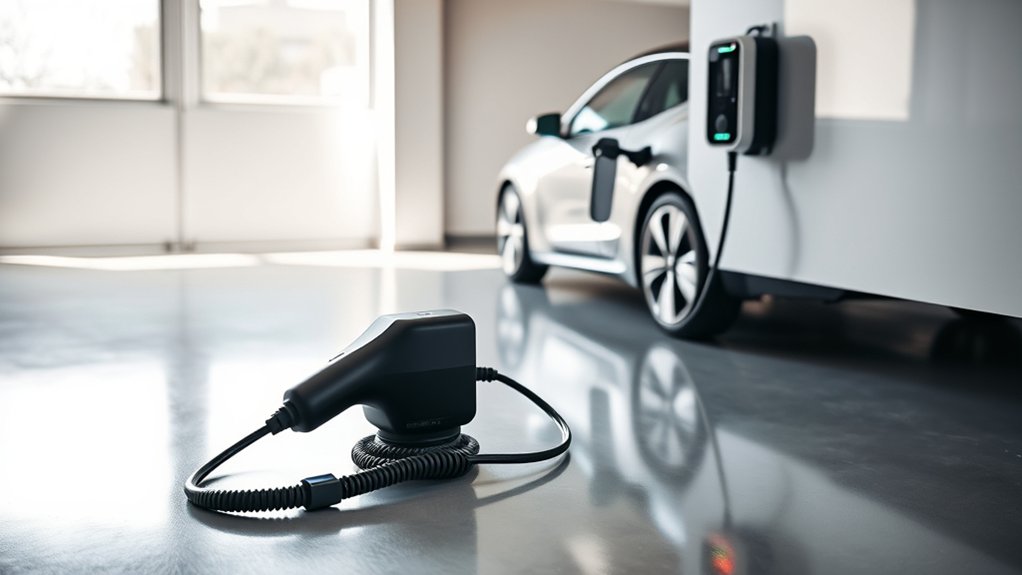
Start with one question: where will you charge most of the time? If the answer is “at home, almost every night,” the Tesla Wall Connector is usually the stronger long-term choice. It is designed as a permanent home charging solution, supports higher power output, and gives you Wi-Fi, scheduling, charging stats, access controls, and remote diagnostics through the Tesla app.
If your charging needs are lighter or less predictable, the Tesla Mobile Connector can make more sense. It is portable, comes with a 20-foot cable, and can charge from different outlets at low to medium speeds. It is useful for renters, travelers, emergency backup, or drivers who already have an electrician-approved outlet near the parking space.
Warning: Do not assume an old 240V outlet is safe for continuous EV charging just because the plug fits. Have a qualified electrician inspect the outlet, breaker, wiring, and load capacity before using it for regular charging.
Mobile Connector vs Wall Connector at a Glance
| Feature | Mobile Connector | Wall Connector |
|---|---|---|
| Best For | Travel, backup charging, renters, light daily use, existing approved outlets | Daily home charging, faster overnight charging, permanent garage or driveway setup |
| Current Tesla Shop Price | $300 | $535 |
| Maximum Output | Up to 32 amps with a compatible 240V outlet and adapter | Up to 48 amps / 11.5 kW on a properly sized circuit |
| Typical Tesla Range Added | Up to 3 miles per hour on a standard outlet, or up to 30 miles per hour on a compatible 240V outlet | Up to 44 miles per hour, depending on vehicle model and circuit size |
| Installation | No install if you already have an approved outlet; new 240V outlet may need electrical work | Must be installed by a qualified electrician |
| Tesla App Features | Charging controlled mainly through the vehicle screen and Tesla app vehicle controls | Wall Connector scheduling, stats, access controls, diagnostics, and firmware updates |
Charging Speed: How Do Mobile and Wall Chargers Compare?
The Wall Connector is faster when the vehicle can accept the higher output. Tesla says the Wall Connector can provide up to 11.5 kW / 48 amps, which can add up to 44 miles of range per hour on supported Tesla vehicles.
The Mobile Connector is more flexible, but its speed depends heavily on the outlet. On a standard 120V household outlet with the NEMA 5-15 adapter, Tesla lists charging speeds up to 3 miles of range per hour. With a 240V NEMA 14-50 outlet, the Mobile Connector can provide a maximum 32-amp output and up to 30 miles of range per hour, depending on the model.
Note: Not every Tesla can use the Wall Connector’s full 48 amps. Tesla lists Model 3 Rear-Wheel Drive, Model Y Rear-Wheel Drive, and Model Y All-Wheel Drive at a maximum 32A charge rate, which is up to 30 miles of range per hour.
For most home charging decisions, the real question is not “which charger is fastest?” It is “which charger can replace the range I use before the next time I drive?”
Understanding 120V and 240V Mobile Connector Charging
The Mobile Connector is often described as plug-and-play, but that phrase can be misleading if you do not separate outlet types.
A 120V household outlet is the easiest option, but it is slow. It can work if you drive a short distance each day, park for many hours, and treat the Mobile Connector as a light-duty charging option.
A 240V outlet, such as a NEMA 14-50, is much more useful for regular home charging. With the correct adapter and a suitable circuit, it can give you Level 2 charging speeds. The catch is that a new 240V outlet still needs proper installation, the correct breaker, suitable wiring, and inspection where required.
The U.S. Department of Energy’s Alternative Fuels Data Center explains that AC Level 2 charging uses 240V service in typical residential applications and is commonly used for home charging because it can charge a typical EV battery overnight.
Understanding the Costs of Mobile and Wall Chargers
The Mobile Connector has the lower equipment price, but the cheapest option depends on what electrical setup you already have. If you already have an approved outlet at your parking space, the Mobile Connector may avoid installation costs. If you need a new 240V circuit, outlet, permit, or panel work, the final installed cost can move closer to a Wall Connector setup.
Tesla’s current home charging page lists the Mobile Connector purchase price at $300 and the Wall Connector purchase price at $535. It also lists estimated installation costs of $0-$1,500 for the Mobile Connector and $750-$1,500 for the Wall Connector, depending on whether existing approved electrical service is available and how complex the job is.
Pro Tip: If you are already paying an electrician to add a new 240V circuit near your parking spot, ask for quotes for both a NEMA outlet and a Wall Connector. The Wall Connector may cost more up front, but the cleaner permanent setup and app features can be worth it for daily charging.
Installation Needs for Mobile and Wall Chargers
The Wall Connector is a hardwired home charger that must be installed by a qualified electrician. A proper installation includes the correct circuit size, breaker setting, wire size, location, code compliance, and commissioning. Tesla says installers can configure the Wall Connector through the Tesla One app, set the circuit breaker rating, connect Wi-Fi, and register the unit so the customer can use Tesla app features.
The Mobile Connector does not need installation if you are using an existing outlet that is safe and approved for EV charging. That does not mean every outlet is safe. Loose receptacles, undersized wiring, old breaker panels, and worn NEMA outlets can overheat under long charging sessions.
If you rent, live in a condo, or park in a shared garage, the Mobile Connector may be easier to start with. For a permanent setup, talk with your property manager, HOA, landlord, or building owner before adding a new outlet or Wall Connector.
Which Charger Best Fits Your Lifestyle?
Choose the Wall Connector if you want a permanent home setup, drive longer distances, charge daily, or want app-based controls for scheduling and usage. It is also better if two EVs share the home and you plan to add more charging capacity later.
Choose the Mobile Connector if you want portability, need a travel charger, drive fewer miles, or already have an approved outlet near your parking space. It is also a smart backup to keep in the vehicle if your main charging plan depends on public chargers or workplace charging.
For households with both Tesla and non-Tesla EVs, compare the standard Wall Connector with Tesla’s Universal Wall Connector. The Universal Wall Connector supports both NACS and J1772, which can make it a better long-term choice for mixed-EV garages.
Common Mistakes to Avoid
- Assuming all Teslas charge at 48 amps: Some trims are limited to 32 amps, even on a Wall Connector.
- Using a worn outlet for daily charging: EV charging is a long, continuous load. Weak outlets can become a safety risk.
- Comparing only equipment price: Installation, permits, panel capacity, and wire distance can change the total cost.
- Buying only for today’s vehicle: A faster, permanent charger may make more sense if you plan to keep an EV for years or add a second EV.
- Ignoring cable length and parking position: Measure where the car parks before choosing the mounting location or outlet location.
Basic Troubleshooting and Maintenance
For the Wall Connector, keep Wi-Fi connected when possible so the unit can receive firmware updates. Use the Tesla app to check charging history, schedule charging, and review basic diagnostics. If charging slows or stops, check the vehicle screen, Wall Connector status light, breaker, and Tesla app messages.
For the Mobile Connector, check the adapter, plug, outlet, and cable before each use. Stop charging if the outlet, plug, or adapter feels unusually hot, smells burnt, looks discolored, or fits loosely. Have an electrician inspect the circuit before using that outlet again.
Frequently Asked Questions
Should I buy a Wall Connector or a Mobile Connector?
Buy the Wall Connector if you charge at home daily, want faster charging, and can install a permanent charger. Buy the Mobile Connector if you need portability, rent your home, travel often, or already have an electrician-approved outlet that meets your charging needs.
Does a Tesla Wall Connector charge faster than a Mobile Connector?
Yes, when the vehicle and electrical circuit support the higher output. The Wall Connector can deliver up to 48 amps, while the Mobile Connector tops out at 32 amps on compatible 240V outlets. Some Tesla trims are limited to 32 amps either way.
Is the Mobile Connector enough for daily charging?
It can be enough if you drive fewer miles, park for many hours, or use a compatible 240V outlet. A standard 120V outlet is much slower, so it works best for low-mileage drivers or backup use.
What are the drawbacks of using a portable EV charger?
The main drawbacks are slower charging on standard outlets, fewer smart features, more wear from repeated plugging and unplugging, and dependence on outlet quality. For regular use, the outlet should be inspected and approved for EV charging.
Is a NEMA 14-50 outlet cheaper than a Wall Connector?
The equipment can be cheaper because the Mobile Connector costs less than the Wall Connector. However, if you need a new 240V circuit installed, labor, permits, wire distance, and panel capacity can make the final project cost similar enough that a Wall Connector is worth comparing.
Which charger is better for renters?
The Mobile Connector is usually easier for renters because it does not require a permanent wall-mounted charger. If you want a new 240V outlet or Wall Connector, get written approval from the property owner and use a qualified electrician.
Conclusion
The Wall Connector is the better choice for most EV owners who charge at home every day and want the fastest, cleanest, most feature-rich setup. The Mobile Connector is better as a portable charger, renter-friendly option, travel tool, or lower-cost solution when an approved outlet is already available.
If you only need to recover a small amount of range overnight, the Mobile Connector may be all you need. If you drive often, want reliable overnight charging, or are already paying for electrical work, the Wall Connector is usually the smarter long-term investment.
Sources
- Tesla Wall Connector Support — backs Wall Connector output, charge-speed table, Wi-Fi, app features, warranty, and vehicle-specific charge limits.
- Tesla Mobile Connector Support — backs Mobile Connector outlet types, included adapters, 120V charging, 240V charging, and 32-amp maximum output.
- Tesla Home Charging Support — backs home charging options, current equipment pricing, installation cost estimates, renter/condo guidance, and best-practice charging notes.
- Tesla Shop: Wall Connector — backs current Wall Connector retail price and product features.
- Tesla Shop: Mobile Connector — backs current Mobile Connector retail price, included adapters, and product contents.
- U.S. Department of Energy Alternative Fuels Data Center — backs Level 1 and Level 2 charging context, home charging use, and general charging-speed factors.