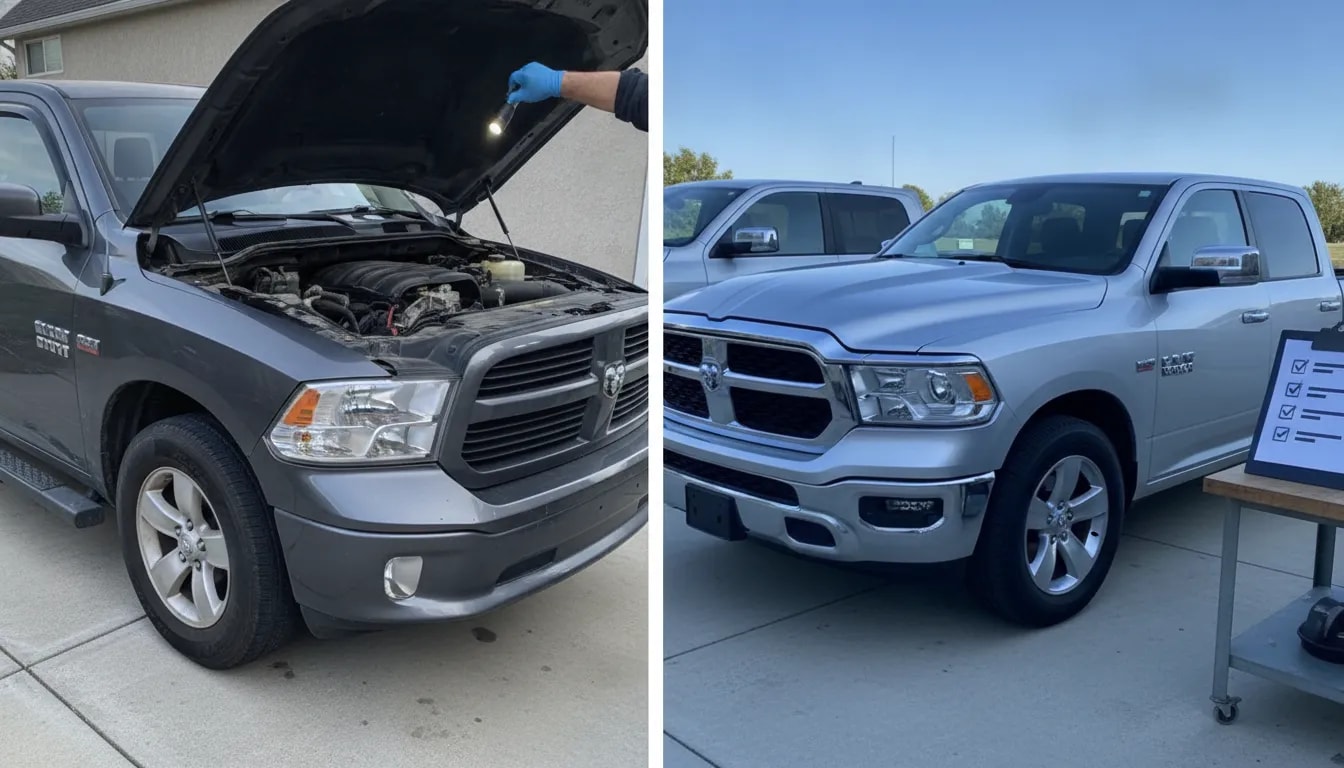
The Ram 1500 years to approach most cautiously are 2001 to 2003, 2011, and 2012 to 2014. The main concerns are transmission failures in the early trucks, engine problems associated with the 2011 4.7-liter V8, and recall, rear differential, and suspension concerns in the 2012 to 2014 group.
For a used-truck shortlist, consider 2006 to 2008 and 2017 to 2020, with 2020 a leading option for buyers seeking modern comfort and capability. However, a favorable model year is not a substitute for maintenance records, a VIN-specific recall check, and an independent inspection.
Key Takeaways
- Approach 2001 to 2003, 2011, and 2012 to 2014 Ram 1500 models with extra caution.
- Consider 2006 to 2008 and 2017 to 2020 when building a used-truck shortlist.
- The 2011 engine warning is especially relevant to trucks equipped with the 4.7-liter V8.
- Verify maintenance, recall status, and mechanical condition before buying any model year.
Table of Contents
- Ram 1500 Reliability by Year: A Quick Buying Guide
- Which Used Ram 1500 Years Are Worth Considering?
- Why the Higher-Risk Ram 1500 Years Need Extra Scrutiny
- A Practical Pre-Purchase Checklist for Any Used Ram 1500
- Common Mistakes When Comparing the Best and Worst Years
- Bottom Line: Shortlist the Year, Then Verify the Truck
Ram 1500 Reliability by Year: A Quick Buying Guide
Use this comparison to narrow your search, not to decide whether an individual truck is mechanically sound. The older models may be advertised as Dodge Ram 1500s, while later examples carry the Ram brand name.
| Model year | Buying position | Main considerations |
|---|---|---|
| 2001 to 2003 | Higher-risk candidates | Reported transmission failures, electrical faults, and deteriorating interior materials |
| 2006 to 2008 | Older models worth considering | Improved transmission durability and interior quality compared with early-2000s examples |
| 2011 | Extra caution, particularly with the 4.7-liter V8 | Reported engine ticking, sludge, oil consumption, electrical issues, and air-conditioning faults |
| 2012 to 2014 | Require careful recall and mechanical checks | Airbag recall concerns, reported rear differential failures, and premature suspension wear |
| 2017 to 2019 | Modern used-truck shortlist | Comfort, technology, and fewer reported major problems than the older trouble-prone groups |
| 2020 | Leading all-around candidate | Broad trim selection, comfortable cabin, towing capability, and fuel-efficient engine options |
Years not listed here are not automatically good or bad. These recommendations do not establish a reliability ranking for every Ram 1500 model year or every engine and transmission combination.
Which Used Ram 1500 Years Are Worth Considering?
2020: A strong starting point for modern-truck buyers
The 2020 Ram 1500 is a useful starting point if your budget allows a newer used pickup. Its appeal combines cabin comfort, towing capability, engine choice, and a wide range of equipment levels.
The lineup spans work-oriented Tradesman models through upscale Limited trims. That gives buyers room to choose between a practical truck and one with a more luxurious interior, rather than paying for features they do not need.
The EcoDiesel option also makes this year relevant to buyers prioritizing fuel economy on longer trips. Its fuel-economy appeal should be considered separately from the condition and maintenance history of the particular diesel truck being sold.
Although 2020 stands out in this shortlist, describing it as an undisputed reliability winner would go too far. Equipment, comfort, and favorable reviews do not guarantee freedom from mechanical problems.
2017 to 2019: Modern comfort with more choices
The 2017 to 2019 models are also worth considering when you want newer technology and a comfortable daily-driving pickup. This period offers an alternative to the older trucks associated with more serious engine and transmission complaints.
The 2019 redesign is particularly relevant for buyers interested in an updated cabin and more luxurious interior options. Coil-spring suspension is part of the Ram 1500’s ride-comfort appeal, but it should not be treated as a feature first introduced by that redesign.
Electrical quirks still deserve attention. Test the installed equipment rather than assuming that a newer model year means every function works correctly.
2006 to 2008: Older alternatives with a better reputation
The 2006, 2007, and 2008 Dodge Ram 1500 models are worth considering if you are looking for an older pickup. Compared with the early-2000s trouble spots, this group is associated with stronger transmissions, improved interiors, and fewer widespread catastrophic complaints.
The 2008 model is a notable candidate within that range, with durability, comfort, and towing ability among its reported strengths.
Well-maintained examples can reach around 200,000 miles, but that is a possibility, not a promised service life. On a truck this old, documented care and current mechanical condition matter more than its original reputation.
Why the Higher-Risk Ram 1500 Years Need Extra Scrutiny
2001 to 2003: Transmission problems are the central concern
For the 2001, 2002, and 2003 Dodge Ram 1500, the most important concern is the transmission. Reported symptoms include slipping, grinding, and complete failure, sometimes before 100,000 miles.
A low asking price can become much less attractive if the transmission needs major work. During a test drive, pay attention to how the truck shifts and have any slipping or unusual noise investigated before purchase.
These years also warrant a thorough electrical and interior inspection. Reported problems include:
- Power windows that stop operating.
- Erratic instrument gauges.
- Wiring-related faults.
- Interior materials that crack or deteriorate.
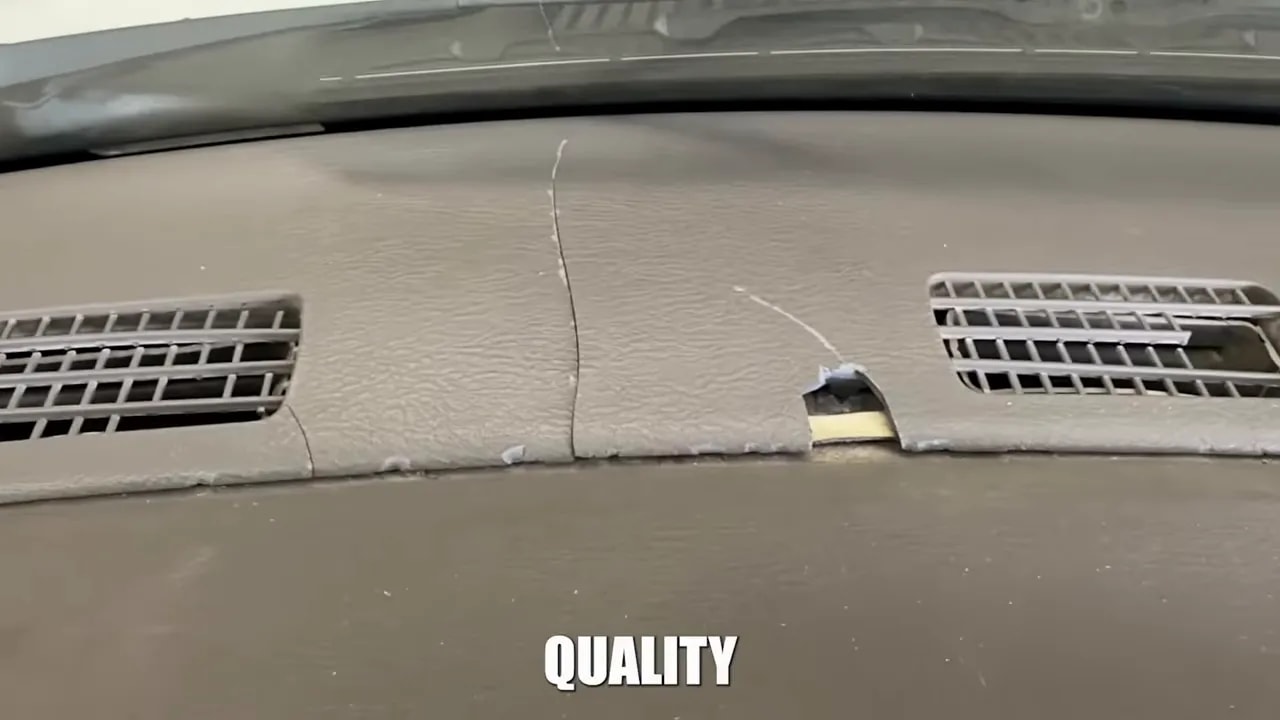
The 2002 model deserves particular attention when researching owner complaints. The CarComplaints Dodge Ram 1500 database can help identify recurring complaint categories. Complaint totals alone, however, do not tell you the probability that a specific truck will fail.
2011: Focus on the engine configuration and oil history
The 2011 Ram 1500 raises concerns particularly around the 4.7-liter V8. Reported issues include ticking noises, oil sludge, excessive oil consumption, and engine failure.
That engine-specific distinction matters. A warning about the 4.7-liter V8 should not be applied indiscriminately to every engine offered in the same model year.
Before considering one, ask for oil-change records and discuss any history of low oil levels or frequent top-ups. Have a mechanic assess ticking noises rather than accepting a seller’s explanation that they are harmless.
Some reported engine failures occurred before 120,000 miles, and replacement costs can exceed $5,000. Treat that figure as an indication of the potential financial exposure, not a current repair quote. The actual cost requires an estimate for the specific truck and repair.
Electrical glitches and air-conditioning problems add further inspection priorities for this year.
2012 to 2014: Separate safety recalls from mechanical wear
The 2012 to 2014 group deserves close attention to recall status, rear differential condition, and suspension wear. These are different kinds of risk and should be checked separately.
Takata airbag defects are serious because an affected inflator can rupture during deployment and release metal fragments. However, a broad model-year warning does not establish whether a particular truck has an affected airbag or an outstanding recall. Applicability must be confirmed by VIN.
Use the NHTSA recall lookup and request documentation for completed repairs. For background on the inflator defect, consult NHTSA’s Takata recall information.
These trucks also have reported rear differential failures and suspension components that wear prematurely. Ask the inspecting mechanic to assess both areas, particularly if the truck has an unusually rough ride or unexplained drivetrain noise.
A completed airbag repair does not resolve a worn differential. Likewise, a truck that drives well may still need a safety recall addressed.
A Practical Pre-Purchase Checklist for Any Used Ram 1500
The most useful buying process combines model-year research with evidence about the actual truck.
- Confirm the year and engine. Do not rely solely on an advertisement, especially when a concern applies to a particular engine.
- Check the VIN for recalls. Review applicable campaigns and ask for proof of completed work.
- Read the maintenance records. Look for documented oil changes and relevant drivetrain service, not just assurances that the truck was maintained.
- Ask about major repairs. Request invoices for engine, transmission, differential, or electrical work.
- Test the transmission. Note slipping, grinding, or abnormal shifting and have the cause assessed.
- Assess the engine. Ask about oil consumption and have unusual ticking or other noises inspected.
- Operate the electrical equipment. Test windows, gauges, air conditioning, and installed cabin technology.
- Arrange an independent inspection. Have the engine, transmission, rear differential, and suspension evaluated before committing.
For example, a 2008 truck with complete service records and a satisfactory inspection may be a more sensible purchase than a neglected 2020 example. Conversely, a cheap 2011 4.7-liter truck with unexplained ticking and no oil-change documentation remains a higher-risk proposition despite its attractive price.
Common Mistakes When Comparing the Best and Worst Years
- Treating a recommended year as problem-free. Every used truck still needs individual evaluation.
- Applying one engine’s problems to an entire lineup. Confirm the configuration before drawing conclusions.
- Confusing awards with durability evidence. Comfort, design, and overall appeal are not the same as long-term mechanical reliability.
- Assuming a recall was completed. Verify repair status rather than relying on the seller’s memory.
- Using mileage as the only deciding factor. Lower mileage does not replace documented maintenance.
- Ignoring possible repair costs because the price is low. A major engine or transmission repair can erase the purchase-price advantage.
Bottom Line: Shortlist the Year, Then Verify the Truck
Start with 2006 to 2008 or 2017 to 2020 when searching for a used Ram 1500. Consider 2020 first if modern features and comfort fit your budget.
Apply extra scrutiny to 2001 to 2003, 2011, and 2012 to 2014. The best purchase is not simply a truck from the preferred year range. It is one with the right configuration, documented maintenance, verified recall status, and a satisfactory independent inspection.