
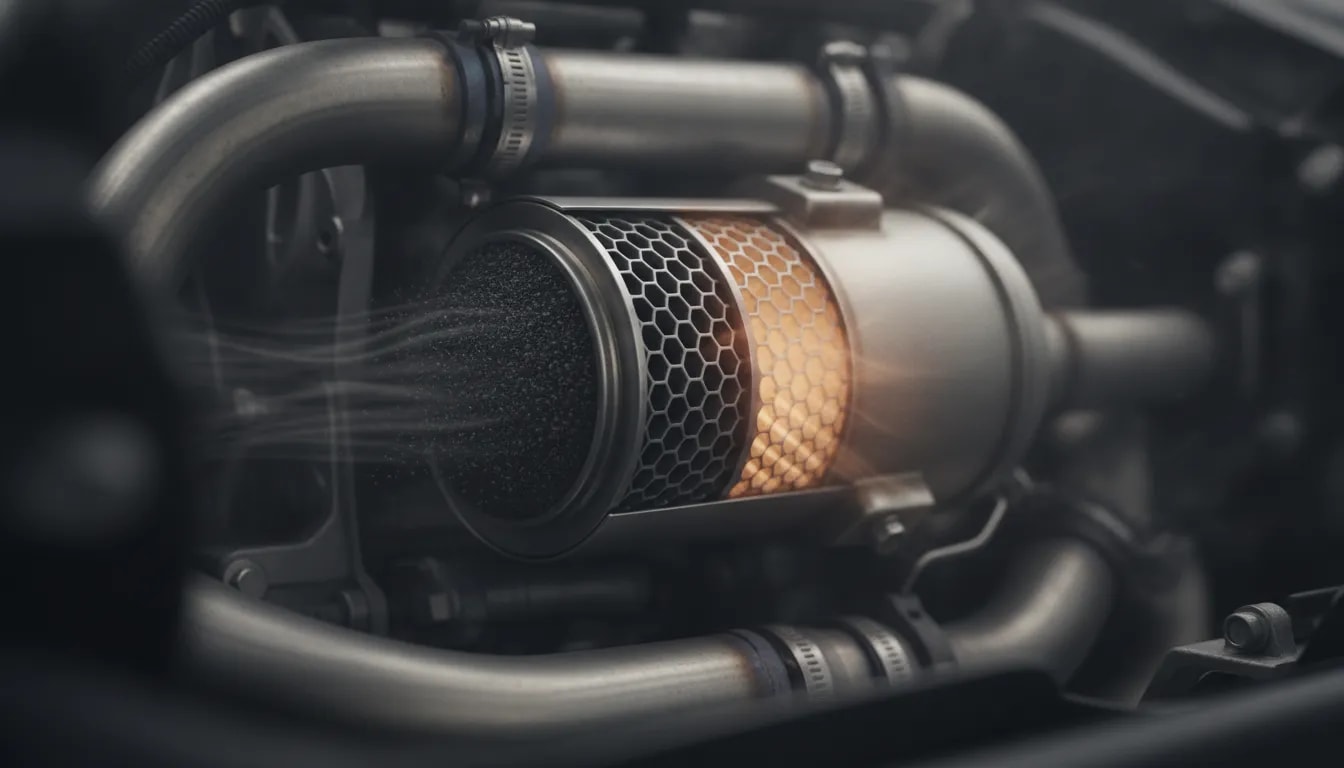
Diesel soot forms when fuel does not burn completely. In a modern diesel car, the diesel particulate filter, or DPF, captures much of that soot before it leaves the exhaust. Problems develop when soot builds up faster than the filter can remove it through regeneration.
Reducing diesel soot requires two things: cleaner combustion and enough suitable driving time for the DPF to regenerate. Repeated cold journeys, prolonged idling, heavy acceleration in an unsuitable gear, contaminated fuel, and restricted airflow can all work against those goals.
The most important everyday habit to reconsider is repeated short-trip driving. But protecting your DPF also means paying attention to fuel quality, air-filter maintenance, and how you use the engine under load.
Key Takeaways
- Repeated short trips combine cold combustion with limited opportunities for DPF regeneration.
- Gentle driving warms a modern diesel more effectively than prolonged stationary idling.
- Downshift before heavy acceleration instead of forcing the engine to pull at low RPM.
- Reliable fuel and a serviceable air filter support cleaner combustion alongside better driving habits.
Table of Contents
- What Is Diesel Soot, and Why Does It Build Up?
- The Main Causes of Excessive Diesel Soot
- Start with the Basics: Clean Fuel and Adequate Airflow
- Build a Driving Routine That Reduces Soot
- Common DPF Prevention Mistakes
- A Simple Diesel Soot Prevention Checklist
What Is Diesel Soot, and Why Does It Build Up?
Diesel soot consists of tiny, carbon-rich particles produced during incomplete combustion. When fuel does not mix with air and burn effectively, some of its carbon forms particles instead of being fully oxidized.
Older diesels without particulate filters could release this material as visible black exhaust smoke. Modern DPF-equipped vehicles trap the particles inside the exhaust system.
That filter has a limited capacity. As deposits accumulate, they can restrict exhaust flow and increase back pressure. The engine may lose performance, and the system may need to regenerate more frequently.
How DPF regeneration works
Regeneration uses sufficiently high exhaust temperatures to burn off accumulated soot. It is an essential part of normal DPF operation, not a sign that the filter has failed.
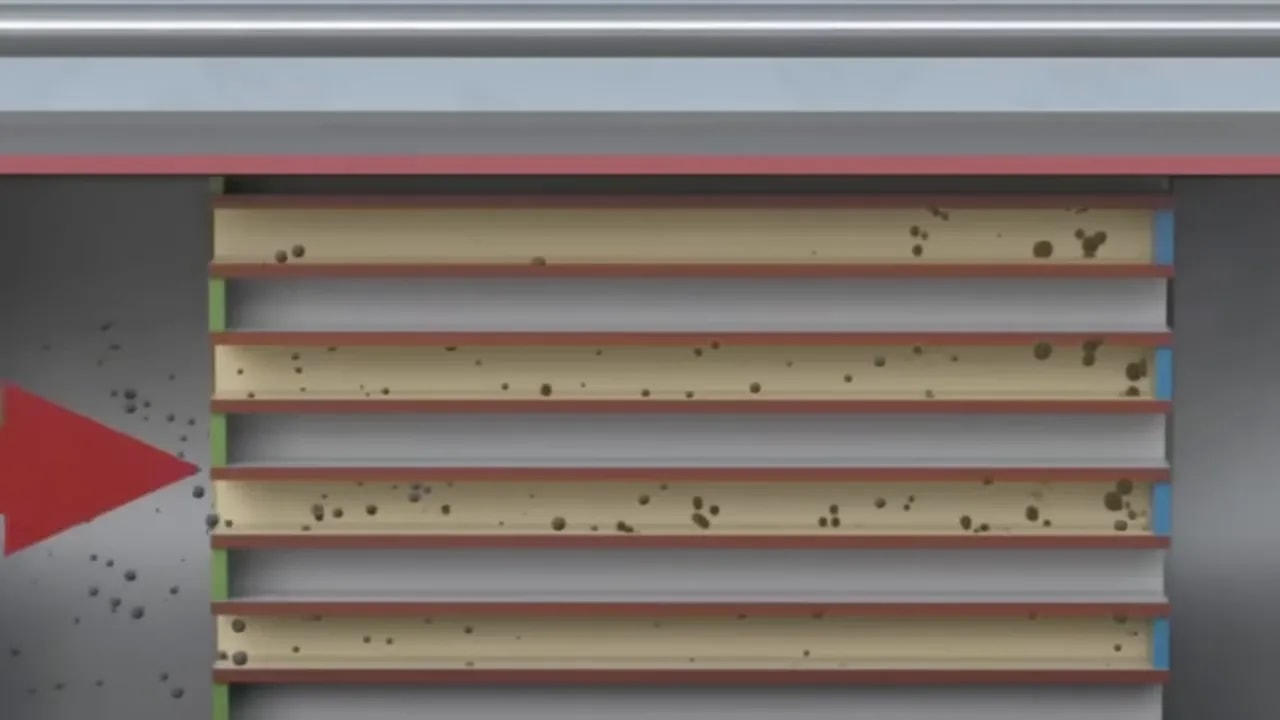
The difficulty is that some driving patterns produce soot while providing too little heat or uninterrupted running time for effective regeneration. Repeated short journeys are a particularly unfavorable combination.
Soot and ash are also different. Regeneration can burn soot, but it does not remove the ash that accumulates over time. Better driving habits help manage soot loading; they do not make a DPF maintenance-free or guarantee a particular lifespan.
For additional background, the RAC guide to diesel particulate filters explains their operation and common maintenance concerns. Your vehicle handbook remains the reference for model-specific regeneration instructions.
The Main Causes of Excessive Diesel Soot
The following factors affect either combustion quality, regeneration opportunities, or both.
| Factor | Why it matters | Practical response |
|---|---|---|
| Repeated short journeys | The engine spends more time cold, while exhaust temperatures may remain too low for regeneration. | Combine errands and include longer, uninterrupted journeys when practical. |
| Extended idling | Low-load operation warms the engine slowly and provides limited exhaust heat. | Avoid unnecessary stationary warm-ups and drive gently after starting. |
| Heavy load at low engine speed | Demanding strong acceleration in a high gear can create unfavorable combustion conditions. | Downshift before climbing or accelerating hard. |
| Poor-quality or contaminated fuel | Ignition quality, water contamination, and injector deposits can interfere with combustion. | Use suitable diesel from a reputable supplier. |
| A restricted air filter | Reduced airflow can interfere with effective fuel combustion. | Inspect and replace the filter according to its condition and the service schedule. |
Start with the Basics: Clean Fuel and Adequate Airflow
Driving changes cannot fully compensate for fuel or airflow problems. These maintenance basics deserve attention alongside your journey pattern.
Choose a reliable diesel supplier
Fuel quality affects how well diesel ignites and burns. Water contamination can disrupt combustion, while contaminants and injector deposits can interfere with the spray pattern needed for effective fuel mixing.
Cetane rating relates to diesel ignition quality. Fuel with a lower cetane rating takes longer to ignite, which can affect combustion behavior.
Practical fuel-buying habits include:
- Use reputable stations with well-maintained facilities.
- Prefer stations with regular fuel turnover when choosing between otherwise comparable suppliers.
- Use the fuel specification required by your vehicle manufacturer.
- Do not assume a station is contaminated simply because it is small or rural.
Some premium diesel formulations offer higher cetane ratings or additional detergent packages. They may support cleaner combustion, but premium fuel is not a substitute for proper maintenance or suitable regeneration conditions. There is no dependable universal percentage by which changing fuel will reduce soot in every vehicle.
Do not overlook the engine air filter
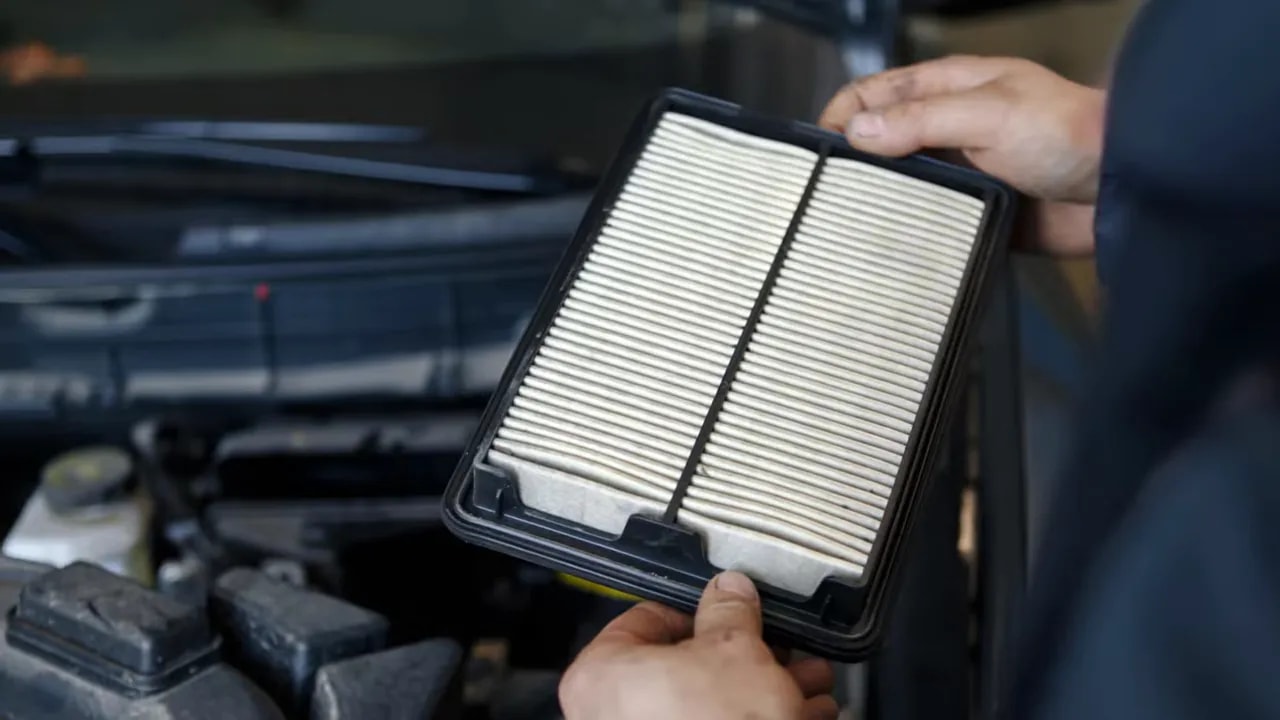
A diesel engine needs adequate airflow to burn its fuel effectively. A heavily restricted air filter can upset that process and contribute to excessive soot.
The replacement schedule is a starting point, but operating conditions matter. Dusty roads, unpaved routes, and polluted environments can load the filter faster than normal use.
A useful maintenance routine is to:
- Check the handbook for the correct inspection and replacement schedule.
- Inspect the filter more frequently if the vehicle regularly encounters dust.
- Replace an excessively dirty or damaged filter rather than waiting solely for a mileage milestone.
- Use a suitable replacement that meets the vehicle’s requirements.
Around 10,000 km between checks can serve as a reminder to review filter condition, particularly in dusty use, but it is not a universal service interval. Follow the manufacturer’s guidance and the actual operating conditions.
Do not assume that a reusable or performance filter automatically produces less soot. The priority is adequate airflow with appropriate filtration, not an aftermarket label.
Build a Driving Routine That Reduces Soot
The most effective changes concern how often the engine runs cold, how long it spends idling, and whether you choose a suitable gear when demanding power.
Combine short journeys wherever possible
Consider a routine involving a 5 km commute, several hours parked, and a separate 3 km shopping trip. If the engine cools between journeys, it repeatedly returns to cold operation without much time fully warmed up.
Cold combustion conditions make fuel vaporization and complete burning more difficult. At the same time, the exhaust may not reach the temperatures needed for effective DPF regeneration.
Combining errands into one journey can reduce the number of separate cold starts and give the engine more time operating warm. For example, making a shopping stop on the way home may be more useful than starting the car again later for a separate outing.
The objective is not to eliminate every short trip. It is to avoid a routine made up almost entirely of cold, brief journeys.
Include longer, uninterrupted driving when practical
A longer journey at a steady, appropriate road speed gives the engine and exhaust more opportunity to reach suitable temperatures.
For a car used mainly on short trips, a roughly 30-minute longer journey once a week is a practical planning example. However, it is not a guaranteed cleaning cycle. Whether regeneration occurs depends on the vehicle’s requirements and the filter’s condition.
Use the handbook’s instructions rather than assuming a fixed journey length, road speed, or engine speed will work for every diesel.
Warm up through gentle driving, not prolonged idling
Leaving a modern diesel idling for five or ten minutes may feel protective, especially in cold weather. But the engine generally warms more slowly at idle than under light driving load.
Extended cold idling therefore prolongs low-temperature operation while providing little useful exhaust heat for the DPF.
A better general approach is:
- Start the engine and allow it to settle.
- Use only a brief idle period, consistent with the handbook and conditions.
- Drive gently rather than demanding heavy acceleration immediately.
- Increase load normally once the engine is warm.
A brief settling period of around 30 to 60 seconds is a general reference, not a requirement for every vehicle or weather condition. Clear the windows and ensure safe visibility before setting off.
Where route choices are practical, consider one that keeps traffic moving rather than one involving prolonged stationary queues. Steady movement under light load is generally more favorable than extended idling.
Downshift before asking for strong acceleration
Lugging means placing a heavy load on the engine at an engine speed too low for that demand. A typical example is climbing a hill in fifth or sixth gear while pressing the accelerator heavily, with the engine sounding strained and responding slowly.
Diesel engines can deliver substantial low-speed torque, but that does not make every low-RPM, high-load situation desirable. Fuel demand can rise faster than available airflow supports effective combustion.
The practical correction is to select a lower gear before applying heavy throttle. This lets the engine accelerate more freely instead of struggling in an overly tall gear.
For some passenger-car diesels, stronger acceleration may occur around 2,500 to 3,500 RPM. Treat that as an example rather than a universal target. Use your engine’s appropriate operating range and stay within its limits.
Low RPM alone is not the problem. Gentle cruising in a high gear is different from demanding full acceleration in that same gear. The important relationship is engine speed versus load.
Common DPF Prevention Mistakes
Assuming one longer drive erases every short trip
A longer journey can provide better regeneration conditions, but it cannot guarantee that all accumulated soot will be removed. It also cannot burn away ash. Judge the routine as a whole rather than treating a weekly drive as an automatic reset.
Keeping RPM as low as possible in every situation
Early upshifts can be suitable under light load. They become counterproductive when the engine struggles on a hill or during acceleration. Downshift when the load demands it instead of chasing the lowest possible tachometer reading.
Treating premium diesel or an upgraded filter as a cure
Neither addresses a driving routine dominated by cold starts and prolonged idling. Start with appropriate fuel, a serviceable air filter, and suitable driving habits before looking for a product-based solution.
Using generic driving advice instead of vehicle instructions
Regeneration requirements differ between vehicles. If the DPF repeatedly needs attention, performance deteriorates, or a warning persists, follow the handbook and seek qualified assistance rather than repeatedly trying an improvised high-RPM drive.
Severe soot loading may require professional regeneration or other service. Prevention advice should not be treated as a repair procedure for an already restricted filter.
A Simple Diesel Soot Prevention Checklist
- Review your journeys: combine errands to reduce separate cold starts.
- Avoid unnecessary idling: warm the engine through gentle driving where appropriate.
- Match the gear to the load: downshift before demanding strong acceleration.
- Allow suitable longer running: give regeneration a chance to occur according to the handbook.
- Use reliable fuel: prioritize the correct specification and a reputable supplier.
- Maintain airflow: inspect the air filter sooner in dusty conditions.
- Act on recurring problems: do not assume more driving will solve every DPF restriction.
The central lesson is straightforward: reduce the conditions that create excess soot and give the filter appropriate opportunities to remove it. Better journey planning, sensible gear selection, and basic maintenance work together more effectively than any single quick fix.