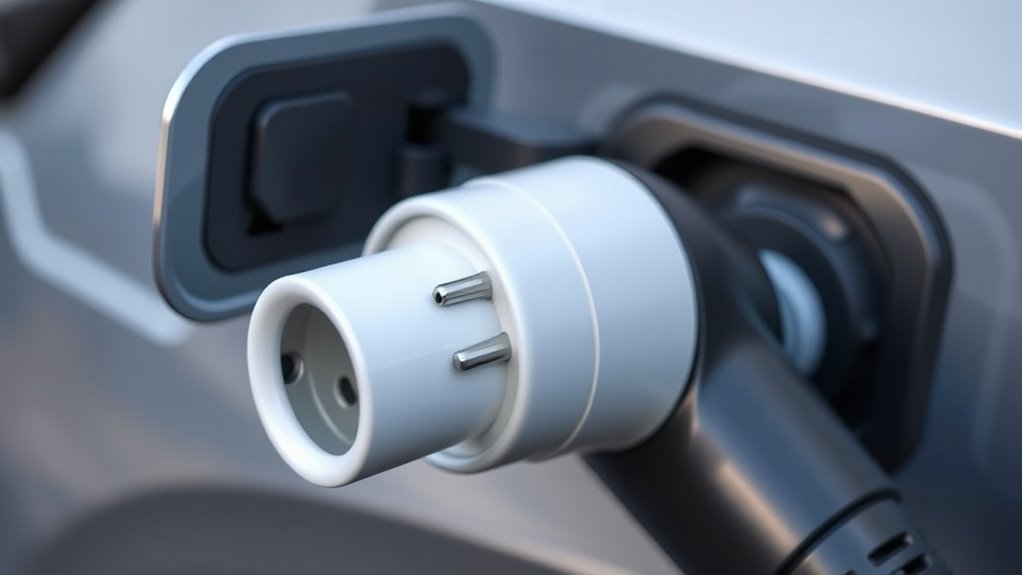
A Type 2 EV charging connector is the main AC charging plug used by most modern electric vehicles in Europe. You will see it on home wallboxes, workplace chargers, and many public AC charging posts. The key detail is this: Type 2 is mainly for AC charging, while European DC fast charging usually uses CCS Combo 2, which builds on the Type 2 layout with two extra DC pins.
Quick Answer
A Type 2 EV connector is the standard European AC charging connector for electric cars and plug-in hybrids. It supports single-phase and three-phase AC charging, commonly from 3.7 kW to 22 kW. For DC fast charging, most European EVs use CCS Combo 2, not a plain Type 2 plug.
Key Takeaways
- Type 2 is Europe’s main AC charging connector and is required on many publicly accessible AC recharging points for interoperability.
- CCS Combo 2 is different from Type 2: it uses the Type 2 upper section plus two larger DC pins for fast charging.
- Common Type 2 AC speeds are 3.7, 7.4, 11, and 22 kW, but your car’s onboard charger and cable rating can limit the actual speed.
- Many European public AC posts are untethered, so you may need to carry your own Type 2 charging cable.
- Home charger installation is electrical work, so use a qualified installer and equipment rated for your circuit, vehicle, and local rules.
What Is a Type 2 EV Connector and Why It Matters
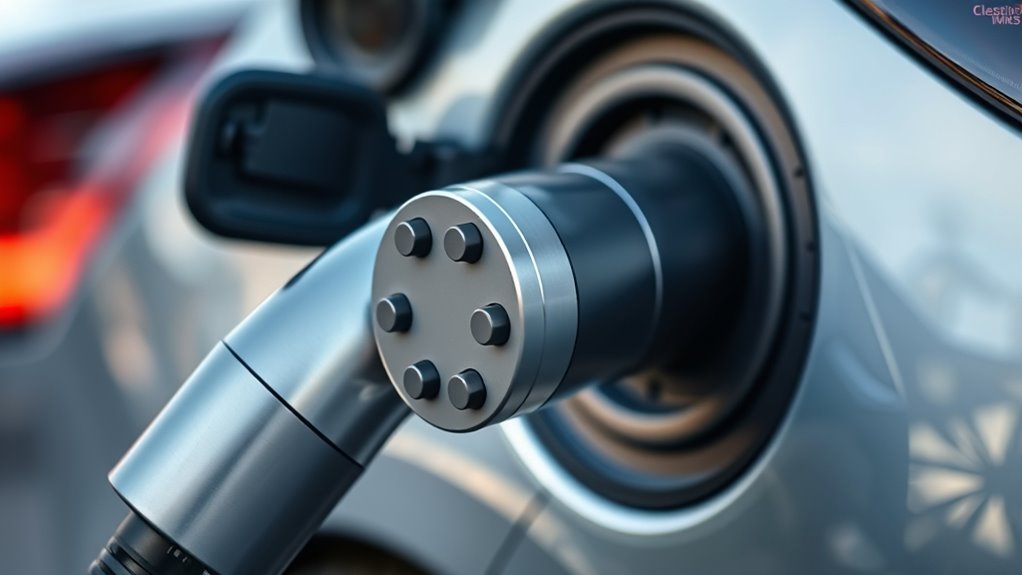
The Type 2 EV connector, often called the Mennekes-style connector, is the plug-and-socket system used for AC electric vehicle charging across most of Europe. It is described in the EN/IEC 62196 family of standards and is referenced in the EU Alternative Fuels Infrastructure Regulation for publicly accessible AC charging points.
Type 2 matters because it gives drivers, car makers, and charging networks a shared interface. Instead of every brand using a different AC plug, most European-market EVs and plug-in hybrids can use the same public AC charging infrastructure when the cable, socket, and vehicle inlet match.
That does not mean every charge will run at the same speed. A Type 2 connector only creates the safe physical and communication link between the car and charging equipment. The actual charging rate depends on the station’s output, the vehicle’s onboard AC charger, the number of phases supported, the cable rating, and the car’s battery management system.
Note: People sometimes say “Type 2 charger” when they mean the connector, the cable, or the full charging station. Technically, the connector is the plug interface; the charging station or wallbox is the equipment that supplies power.
Essential Features of Type 2 Connectors for EV Charging
A Type 2 connector uses a rounded shape with a flattened top so it can only be inserted the correct way. Its seven-contact design supports AC power transfer, protective earthing, and communication between the vehicle and the charging equipment.
- Seven-contact layout: The connector includes line conductors, neutral, protective earth, control pilot, and proximity pilot contacts.
- Single-phase and three-phase AC support: This lets Type 2 work with slower residential charging and faster three-phase public or workplace charging.
- Common AC charging range: Typical charging speeds are 3.7 kW, 7.4 kW, 11 kW, and 22 kW, depending on the car and electrical supply.
- Automatic locking: The connector can lock during charging, helping prevent accidental unplugging and cable theft at untethered stations.
- Broad European compatibility: Most modern European-market EVs and plug-in hybrids have a Type 2 inlet for AC charging.
- CCS Combo 2 relationship: CCS Combo 2 keeps the Type 2 communication and earth section but adds two large DC pins below it for fast charging.
The easiest way to remember it: Type 2 is the common European AC connector; CCS Combo 2 is the common European DC fast-charging connector.
Type 2 Charging Speeds: 3.7 kW, 7.4 kW, 11 kW, and 22 kW
Type 2 charging speed is not decided by the plug alone. The charging station may offer 22 kW, but your car may only accept 7.4 kW or 11 kW on AC. Always check your vehicle handbook or charging screen before assuming the station’s full rating will reach the battery.
| Typical Type 2 AC Power | Common Setup | What to Know |
|---|---|---|
| 3.7 kW | Single-phase, lower-current charging | Useful for overnight charging when daily mileage is modest. |
| 7.4 kW | Single-phase home wallbox in many markets | A common home charging speed where the local electrical supply supports it. |
| 11 kW | Three-phase AC charging | Common on European EVs with three-phase onboard AC chargers. |
| 22 kW | Higher-power three-phase AC charging | Only useful if the car, cable, charger, and electrical supply all support it. |
For a rough estimate, divide the battery energy you need by the charging power. For example, adding 22 kWh at 11 kW takes about two hours before charging losses and the car’s tapering behavior are considered.
Pro Tip: If a public AC post says 22 kW but your car only accepts 11 kW AC, nothing is broken. The car’s onboard charger is simply limiting the AC charging rate.
How the Type 2 EV Connector Facilitates Charging in Europe
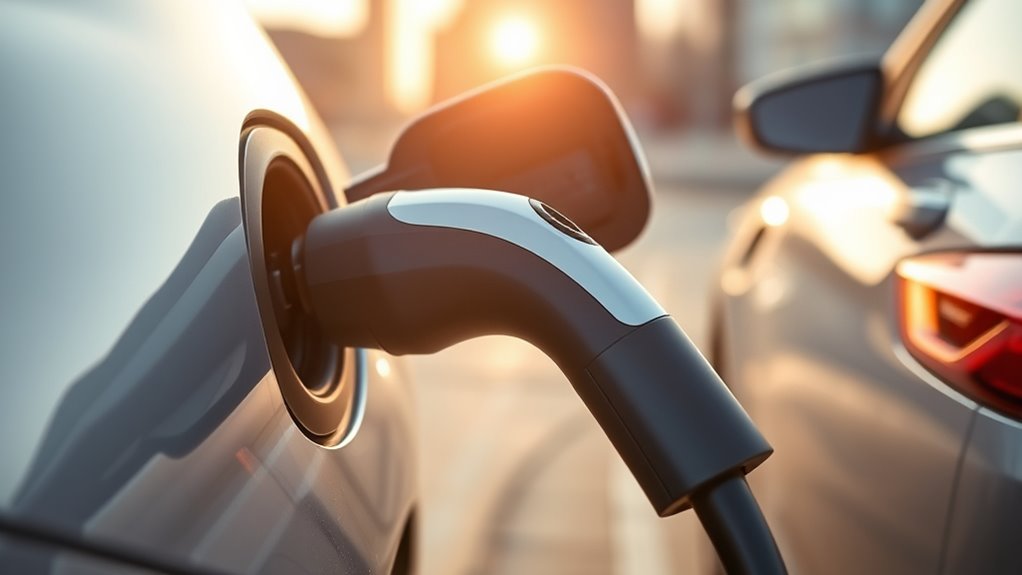
Across Europe, Type 2 makes AC charging simpler because drivers can usually connect to home wallboxes, workplace chargers, hotel chargers, supermarket chargers, and public AC posts with the same basic connector type. Under current EU technical specifications, publicly accessible AC recharging points for electric vehicles must be equipped, for interoperability purposes, with Type 2 socket outlets or vehicle connectors.
Many public AC charging posts are untethered. That means the station has a socket, but no fixed cable. In that case, you bring your own Type 2 cable and connect one end to the station and the other end to your car. Other stations are tethered, meaning the cable is permanently attached to the charger.
For DC fast charging, the European standard is usually CCS Combo 2. It looks like a Type 2 connector at the top, with two larger DC pins below. This lets the car use Type 2 for AC charging and CCS Combo 2 for faster DC charging when the vehicle supports it.
Note: EU rules also support the shift toward smarter infrastructure. The Alternative Fuels Infrastructure Regulation says recharging points built or renovated after 13 April 2024 should support smart recharging where technically feasible.
Type 2 vs CCS Combo 2: What Is the Difference?
Type 2 and CCS Combo 2 are related, but they are not the same connector. This is the most common confusion for new EV drivers.
| Connector | Main Use | Power Type | What It Looks Like |
|---|---|---|---|
| Type 2 | Home, workplace, destination, and public AC charging | AC | Round connector with a flattened top and seven contacts. |
| CCS Combo 2 | Public DC fast charging | DC | Type 2-style upper section with two large DC pins underneath. |
If your car has a CCS Combo 2 inlet, you can usually plug a normal Type 2 cable into the upper Type 2 section for AC charging. For DC fast charging, you use the larger CCS Combo 2 plug at a compatible fast charger.
How Does the Type 2 Connector Compare to Other Standards?
The right EV connector depends on where the vehicle was sold and what type of charging you want to use. Type 2 is common in Europe, but it is not the default AC connector everywhere.
| Standard | Common Region | Charging Type | Best Way to Think About It |
|---|---|---|---|
| Type 2 | Europe and many other Type 2 markets | AC | The standard European AC connector for most modern EVs. |
| Type 1 / J1772 | North America, Japan, and some older imports | AC | A single-phase AC connector, common on older or non-European-market EVs. |
| CCS Combo 2 | Europe and other CCS2 markets | DC fast charging | The main European DC fast-charging connector for modern EVs. |
| CCS Combo 1 | North America | DC fast charging | The CCS fast-charging format built around the Type 1/J1772 layout. |
| CHAdeMO | Japan and some older EVs | DC fast charging | An older DC fast-charging standard still used by some vehicles. |
| NACS / SAE J3400 | Primarily North America | AC and DC | Tesla-origin connector now being standardized for North American use. |
For global connector terminology and charging levels, the U.S. Department of Energy’s Alternative Fuels Data Center is a useful reference, especially for J1772, CCS, CHAdeMO, and J3400/NACS context.
Tips for Choosing and Using Type 2 Charging Stations Like a Pro
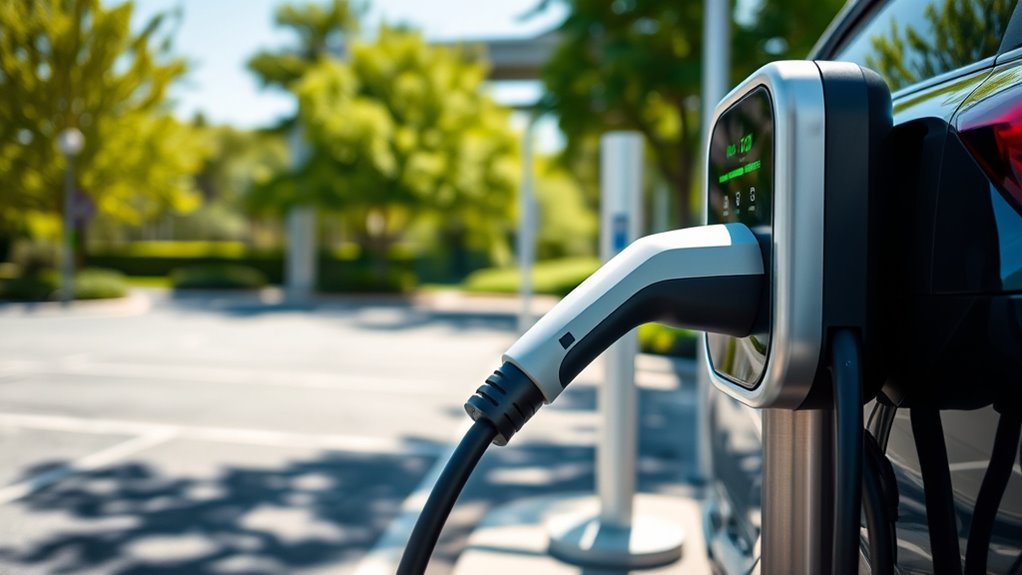
Choosing the right Type 2 charging station is mostly about matching the charger, cable, and vehicle. A 22 kW AC station is useful only when your vehicle and cable can accept that much AC power.
| Tip | What to Check | Why It Matters |
|---|---|---|
| Vehicle inlet | Confirm your EV has a Type 2 inlet for AC charging. | A Type 2 cable will not fit every imported or non-European-market EV without the right adapter. |
| Onboard charger rating | Check whether your car accepts 7.4, 11, or 22 kW AC. | The car can limit charging below the station’s advertised output. |
| Cable rating | Use a cable rated for the current and phase setup you need. | An underrated cable may reduce speed or fail to start a safe session. |
| Tethered vs untethered | See whether the station has a fixed cable or only a socket. | Untethered public AC posts usually require your own Type 2 cable. |
| Authentication | Check app, RFID card, contactless payment, or Plug & Charge support. | The right payment method prevents delays at public chargers. |
| Station condition | Inspect the socket, cable, plug, display, and network status. | Wear, dirt, damaged pins, or network errors can stop charging. |
Warning: Do not use a damaged Type 2 cable, loose socket, scorched plug, or underrated adapter. For home wallbox installation, use a qualified electrician or approved installer and follow local electrical rules.
Troubleshooting Common Type 2 Charging Problems
If a Type 2 charging session fails, the problem is often simple: the plug is not locked, the station has not authorized the session, the cable is not rated for the requested power, or the car has a charging schedule enabled.
| Problem | Likely Cause | What to Try |
|---|---|---|
| Plug will not lock | Connector not fully seated, car not unlocked, or socket issue | Unplug, check for debris or damage, reinsert firmly, and lock/unlock the vehicle. |
| Charging starts then stops | Authorization failed, station fault, cable issue, or vehicle charge limit | Check the app/RFID session, restart the session, and review the car’s charge limit. |
| Charging is slower than expected | Vehicle onboard charger, cable rating, shared station load, or single-phase limit | Compare the station rating with your vehicle’s AC charging specification. |
| Cable will not release | Vehicle or station lock still engaged | End the session in the app or station screen, unlock the vehicle, then use the vehicle’s manual release only if the manual instructs you to. |
| Station says “waiting for vehicle” | Car timer, charge target reached, or communication handshake delay | Disable delayed charging, check the battery limit, and try reconnecting the cable. |
Frequently Asked Questions
Is Type 2 the same as CCS?
No. Type 2 is mainly the European AC charging connector. CCS Combo 2 is the European DC fast-charging connector that uses the Type 2 upper section plus two larger DC pins below it. A car with a CCS Combo 2 inlet can usually use Type 2 AC charging and CCS Combo 2 DC fast charging.
What is the difference between J1772 Type 1 and Type 2?
J1772 Type 1 is a five-pin AC connector common in North America, Japan, and some older imports. Type 2 is a seven-contact AC connector common in Europe and supports both single-phase and three-phase AC charging. The two plugs are physically different, so you need the correct inlet, cable, or approved adapter.
Do I need a Type 1 or Type 2 EV charger?
Choose based on your vehicle inlet and region. Most European-market EVs use Type 2 for AC charging. Many North American-market EVs use J1772, CCS1, or J3400/NACS depending on model year and charging type. Check your vehicle handbook and the label inside the charge-port door before buying a home charger or cable.
What does a Type 2 connector look like?
A Type 2 connector is round with a flattened top edge and seven contact positions. On many European EVs, the Type 2 AC inlet is the upper part of a larger CCS Combo 2 port. If the port has two large extra holes below the Type 2 section, the vehicle also supports CCS Combo 2 DC fast charging.
Can Type 2 charge at 22 kW?
Yes, Type 2 can support 22 kW AC charging in common three-phase setups, but only when the station, cable, vehicle onboard AC charger, and electrical supply all support it. Many EVs are limited to 7.4 kW or 11 kW AC even when plugged into a 22 kW post.
Do I need to carry a Type 2 cable?
In Europe, it is often smart to carry a Type 2-to-Type 2 cable because many public AC posts are untethered. Fast DC chargers are usually tethered, so you normally use the cable attached to the CCS Combo 2 charging station.
Can I use a Type 2 adapter with a Type 1 car?
Sometimes, but only with an adapter or cable designed for that exact use and rated for the current. Many imported EVs with Type 1 inlets can use a Type 2-to-Type 1 cable at European AC posts. Do not use cheap, damaged, or unapproved adapters, and never force a connector that does not fit.
Conclusion
The Type 2 EV connector is central to European AC charging because it gives most modern EV drivers a shared, reliable interface for home, workplace, and public destination charging. The most important distinction is that Type 2 handles AC charging, while CCS Combo 2 handles most European DC fast charging. Before you plug in, check your vehicle inlet, cable rating, onboard AC charging limit, and the station’s payment method. That simple check helps you avoid slow sessions, failed starts, and connector confusion.
Sources
- Regulation (EU) 2023/1804 on alternative fuels infrastructure — EU requirements for Type 2 AC and Combo 2 DC interoperability.
- U.S. Department of Energy Alternative Fuels Data Center: Electric Vehicle Charging Stations — charging levels, connector terminology, CCS, CHAdeMO, and J3400/NACS context.
- SAE International: SAE J3068 charging specification — North American three-phase AC charging context adapted from European three-phase charging standards.