

Long highway journeys can give a modern diesel the sustained operating conditions it needs, but distance alone is not a guarantee of good engine health. Gear choice, acceleration, downhill speed control, and shutdown habits all matter.
The goal is not to keep revs high all the time. It is to avoid making the engine struggle, allow suitable conditions for diesel particulate filter regeneration, and follow the vehicle’s instructions for cooling down after demanding driving.
These principles are useful for diesel cars, SUVs, and pickups. However, exact RPM targets and regeneration procedures are vehicle-specific, so generic highway advice should never replace the owner’s manual.
Key Takeaways
- Choose gears for engine load, not simply the lowest possible cruising RPM.
- A long highway journey does not automatically confirm that DPF regeneration has occurred.
- Stay in gear downhill to retain engine braking and reduce reliance on the brakes.
- Follow vehicle-specific turbo cooldown guidance after demanding driving rather than applying a universal idle time.
Table of Contents
- What Your Diesel Needs From a Highway Journey
- Choose a Gear for the Load, Not Just the Lowest RPM
- Support DPF Regeneration Without Chasing Speed or Revs
- Stay in Gear on Downhill Sections
- Match Turbo Cooldown to How Hard the Engine Has Worked
- Five Highway Habits to Reconsider
- A Practical Diesel Highway Checklist
What Your Diesel Needs From a Highway Journey
Two systems are central to good diesel highway habits:
- The diesel particulate filter, or DPF: This traps soot from the exhaust. Regeneration burns off accumulated soot when the required conditions are met.
- The turbocharger: This uses exhaust energy to help supply air to the engine. Its bearings depend on engine oil for lubrication and heat management.
A highway journey offers an opportunity for sustained operation rather than repeated short trips. But the important factors include engine load, temperature, and time, not simply the speed shown on the dashboard.
Keep three separate questions in mind: Is the engine comfortably handling the load? Are the conditions suitable for DPF regeneration? Has the turbo recently been working hard enough to require a cooldown? One rule about highway speed cannot answer all three.
Choose a Gear for the Load, Not Just the Lowest RPM
A tall top gear reduces engine speed during highway cruising. In some diesels, cruising at 110 km/h may put the engine around 1,500 to 1,800 RPM. That can feel quiet and economical, but the same gear may become unsuitable when the driving demand changes.
Low RPM is not automatically harmful. The more important distinction is between light-load cruising and asking for substantial acceleration while the engine is turning slowly.
When a Lower Gear Makes Sense
Consider downshifting when the engine labors under acceleration, responds reluctantly, or needs to work harder on a climb. A lower gear raises RPM at the same road speed and can improve response without requiring more accelerator pressure in an unsuitable gear.
As an illustration, changing from sixth to fifth might move a particular diesel from roughly 1,600 RPM into the 2,000 to 2,500 RPM range. That is an example, not a universal cruising target. Gear ratios and suitable engine speeds differ between vehicles.
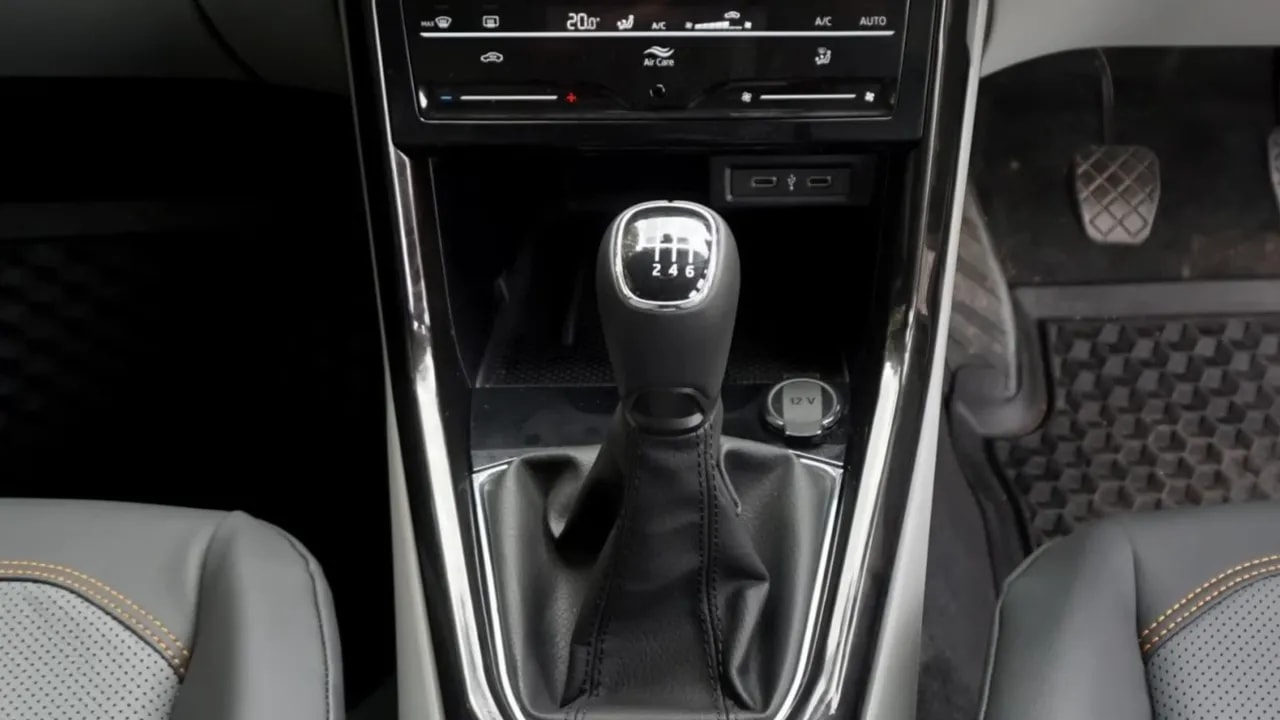
Do not make fifth gear a permanent rule simply because it produces higher revs. Use the gear that suits the speed and load, and follow any specific gear or RPM guidance provided for DPF regeneration.
Downshift Before Overtaking
Engine lugging means demanding heavy work from the engine at an inappropriately low RPM. Trying to complete an overtake in a tall gear can make the engine struggle instead of delivering prompt acceleration.
A better approach is to prepare the gear before asking for strong acceleration:
- Check that the maneuver is legal and that there is enough space to complete it safely.
- Select a suitable lower gear before accelerating.
- Accelerate smoothly within the engine’s permitted operating range.
- Return to an appropriate cruising gear once the maneuver is complete.
For some diesel cars, an acceleration range around 2,500 to 3,500 RPM may be appropriate. It should not be treated as a target for every diesel engine, particularly across different cars and pickups.
If an automatic transmission holds a gear that leaves the engine struggling, learn how its manual mode or paddle shifters work. Use those controls according to the vehicle’s instructions rather than assuming the transmission needs manual intervention on every overtake.
Support DPF Regeneration Without Chasing Speed or Revs
DPF regeneration needs sufficient temperature for sufficient time. A long journey is useful only if the necessary operating conditions are achieved.
This is why “take it on the highway” is incomplete advice. It does not specify what your particular vehicle requires, and it does not mean that faster driving or repeated hard acceleration is better.
Is Cruise Control Bad for a Diesel DPF?
Do not treat cruise control itself as a cause of DPF blockage. Holding a steady road speed does not, by itself, establish whether exhaust temperature and engine load are suitable for regeneration.
Equally, an hour at one highway speed is not proof that regeneration has occurred. The useful question is whether the vehicle’s required conditions have been maintained.
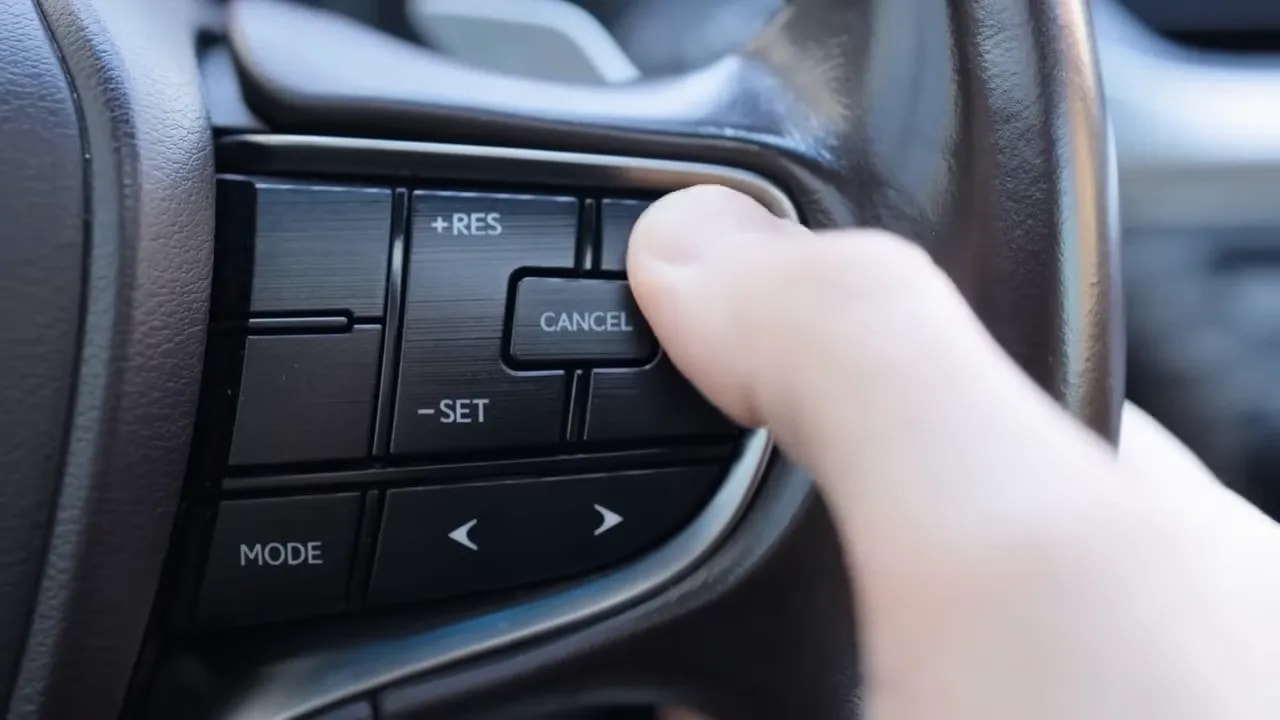
There is no reason to turn a general suggestion about varying engine load into a mandatory routine of changing speed every 15 to 20 minutes. Deliberate speed fluctuations can distract from traffic, and they are not a substitute for a vehicle-specific regeneration procedure.
- Use cruise control when it suits the road and traffic conditions.
- Reassess the gear when a climb or acceleration demand makes the engine labor.
- Follow the manufacturer’s driving instructions if a DPF message requests action.
- Never exceed speed limits or compromise following distance to try to clean the filter.
Higher RPM Is Not Proof of Regeneration
The tachometer shows engine speed, not DPF temperature. A lower gear changes the engine’s operating conditions, but an RPM reading alone cannot confirm that soot is being burned off.
Likewise, do not assume that raising revs will remove existing intake carbon deposits. DPF regeneration and intake contamination are different issues. Treat persistent problems as problems to investigate, not as an invitation to drive progressively harder.
Stay in Gear on Downhill Sections
Shifting into neutral to save fuel sacrifices engine braking. On a long descent, that leaves the service brakes doing more of the work needed to control speed.
Stay in an appropriate gear and use engine braking as part of downhill speed control. Select a gear that helps restrain the vehicle without taking the engine beyond its permitted RPM range.
Does Neutral Coasting Save Fuel?
Modern electronically controlled diesels can cut fuel injection during in-gear overrun when the necessary conditions are met. In that situation, the wheels keep the engine turning while the accelerator is released.
Neutral coasting instead allows the engine to return to idle. It should not be assumed to provide a fuel-saving advantage over in-gear deceleration.
The practical benefits of remaining in gear are:
- Better speed control: Engine braking helps restrain the vehicle on a descent.
- Less dependence on the brakes: This helps reduce the risk of overheating them through prolonged use.
- No need to select a gear again before accelerating: The drivetrain remains engaged.
Avoid two misleading explanations for this advice. Neutral coasting does not automatically establish that a healthy turbo is being starved of oil, and engine braking should not be treated as a guaranteed way to heat the DPF for regeneration. The strongest reason to stay in gear downhill is controlled, safe driving.
Match Turbo Cooldown to How Hard the Engine Has Worked
A turbocharger can retain substantial heat after demanding operation. Switching off the engine ends engine-driven oil circulation, which is why shutdown instructions matter after the turbo has been working hard.
The concern is residual heat affecting oil in the turbo’s bearing housing. Degraded oil and deposits can interfere with lubrication over time.
Should You Idle for 60 to 90 Seconds?
A brief idle period of around 60 to 90 seconds is a commonly suggested cooldown habit after a demanding run. It is not a universal requirement after every highway journey. Turbo cooling arrangements and manufacturer recommendations vary.
The relevant distinction is the load immediately before stopping, not simply whether the journey lasted two hours. Towing, sustained climbing, or hard acceleration deserve particular attention when checking the vehicle’s shutdown guidance.
Use this approach:
- Consider how hard the engine has been working near the end of the journey.
- Follow the owner’s manual on gentle running or idling before shutdown.
- If a cooldown is required, let the engine idle normally rather than revving it.
- Avoid extending a short cooldown into unnecessary prolonged idling.
Do not assume that every diesel needs the same delay, or that every modern cooling system makes a delay unnecessary.
Five Highway Habits to Reconsider
| Habit | Better approach |
|---|---|
| Choosing top gear solely for the lowest RPM | Choose a gear that suits the speed and engine load. |
| Pressing harder instead of downshifting for an overtake | Prepare a suitable gear before demanding acceleration. |
| Assuming a long cruise guarantees DPF regeneration | Follow the vehicle’s specific regeneration guidance. |
| Coasting downhill in neutral | Remain in gear and use engine braking to help control speed. |
| Ignoring shutdown guidance after demanding driving | Use the manufacturer’s recommended cooldown procedure. |
A Practical Diesel Highway Checklist
- While cruising: Keep a safe, legal speed and use a gear in which the engine handles the load comfortably.
- Before accelerating: Downshift if the current gear would make the engine struggle.
- For DPF care: Follow vehicle-specific instructions rather than generic speed or RPM rules.
- On descents: Stay in gear and manage speed without relying continuously on the brakes.
- Before shutdown: Check whether recent heavy work calls for a cooldown.
Good diesel highway driving is about matching the vehicle’s operating conditions to the job. Smooth cruising, appropriate gear changes, controlled descents, and model-specific DPF and turbo guidance are more useful than a rigid rule to drive faster or keep the revs higher.