
You need a reliable 50 amp breaker to protect your EV charger, your electrical panel, and the people who use them. Choosing the right breaker ensures safe continuous charging, compatibility with your panel, and compliance with local codes so you avoid nuisance trips, voided warranties, or costly rework.
Quick Verdict
If you have a compatible Siemens load center and need a standard 50 amp two-pole breaker, the Siemens Q250 is the best overall pick. Choose the Siemens QF250A, Homeline GFCI, or ABB THQL2150GFT when your installation calls for panel-level GFCI protection. Match the breaker to your exact panel label before buying.
Top Picks
|
Category |
Product |
Best For |
|---|---|---|
|
🏆 Best Overall |
Standard Siemens 50A EV circuits |
|
|
🎯 Best GFCI Protection |
Outdoor Siemens installs needing GFCI |
|
|
⭐ Best For QO Panels |
Square D QO load centers |
|
|
🔰 Best Homeline GFCI |
Square D Homeline wet-location circuits |
|
|
🎨 Best Alternative GFCI |
GE or ABB Q-Line compatible panels |
|
|
💰 Best Compact GE Option |
Compatible GE panels with limited space |
|
|
🚀 Best Bolt-In |
Type BL bolt-in panel applications |
|
|
💼 Best Space Saver |
QT-compatible panels needing triplex layout |
Selection Criteria
You want a breaker that fits your panel, handles continuous EV charging, and meets safety standards. We prioritized compatibility with common load centers, the correct 240V two-pole configuration for 50 amp circuits, and UL or CSA listing details where the product information provided them. Protection features like GFCI self-test and lockout matter for outdoor or wet locations, while mounting style and interrupting rating determine whether a breaker works in your specific panel.
We also looked for clear product labeling, suitable pole configuration, mounting style, and buyer guidance that helps you avoid mismatched breakers. Always check your panel label, charger manual, conductor sizing, and local code before installation.
Safety Note Before You Buy
A 50 amp breaker is not universal. Match the breaker brand, series, pole count, mounting style, voltage rating, and GFCI requirement to your panel and charger. A typical 240V Level 2 EV charger needs a properly sized two-pole AC breaker, not a DC marine breaker or a 120V single-pole breaker. Hire a licensed electrician if you are not sure.
You’ll find the Siemens Q250 is a straightforward 50 amp double-pole breaker built for compatible Siemens plug-in panels. It works well for dedicated 240V loads like an EV charger, tankless water heater, sub-panel feed, or generator interlock setup when the panel accepts QP-type breakers. The plug-in mount makes replacement simpler, but the panel label should still confirm that this type is allowed.
What People Say
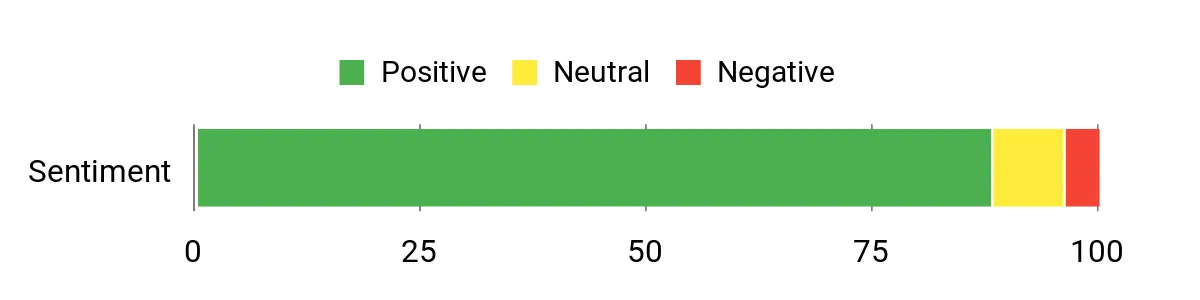
People often mention how easy the Q250 is to install and how well it fits compatible Siemens panels, especially when adding circuits like an EV charger or tankless water heater. Users appreciate the dependable operation and straightforward wiring, and several note that it made their projects feel more direct once compatibility was confirmed.
Overall Sentiment: Positive
Durability
The Q250 has a solid OEM-style build for normal home applications. With proper installation, compatible conductors, and the correct Siemens panel type, it should provide dependable overload and short-circuit protection.
Problem Solving
This breaker solves the core issue for many homeowners: adding a correct 240V two-pole breaker without gambling on a mismatched panel fit. It is a practical choice when you need a standard breaker and your EV charger does not require a GFCI breaker at the panel.
Key Benefits
- OEM-style compatibility with Siemens panels
- Plug-in mount that simplifies installation and replacement
- Thermal-magnetic protection for 240V 50A branch circuits
You’re looking at a purpose-built GFCI breaker for 50 amp 240V circuits where ground-fault protection matters. The QF250A performs automatic self-testing, and the lockout feature helps prevent unsafe resets when the device detects a fault. It is a strong choice for outdoor EV charging when your panel accepts the correct Siemens QPF form factor.
What People Say
You’ll commonly hear that the QF250A feels reliable under sustained charging and outdoor use, and that the self-test plus lockout gives buyers more confidence. Users still remind you to check the panel label before ordering because a GFCI breaker must match the load center.
Overall Sentiment: Positive

Durability
The unit is built for regular 240V branch-circuit use, and the self-test routine helps monitor GFCI function over time. Correct installation and panel compatibility matter more than brand reputation alone.
Problem Solving
This breaker addresses ground-fault risk on outdoor or damp circuits and adds protection at the panel. It is the Siemens pick to consider when your EV charger installation needs GFCI protection and your panel supports this breaker family.
Key Benefits
- Built-in GFCI with automatic self-test and lockout
- Useful for outdoor or wet-location EV charging when required
- Plug-in mount for compatible Siemens QPF-type load centers
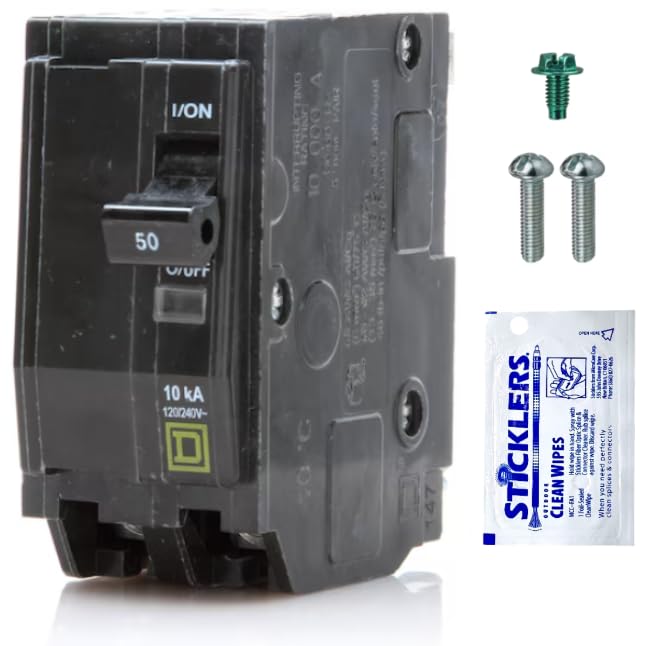
You’ll like the QO250 if you want a plug-in breaker that fits QO load centers without guesswork. It is built for 120/240V circuits and can support heavy-duty residential uses like sub-panel feeds, ranges, or a dedicated EV charger when the panel accepts QO devices. The Visi-Trip indicator makes it easier to spot a tripped breaker during troubleshooting.
What People Say
Users frequently point out that the QO250 fits QO panels cleanly and makes add-on circuits less stressful. Many appreciate the Visi-Trip feature because it speeds up diagnostics, and installers often mention the straightforward plug-in swap as a time saver.
Overall Sentiment: Positive

Durability
The QO250 follows Square D’s expected build style with solid construction and consistent trip behavior under normal residential and light commercial loads. The Visi-Trip feature and rated interrupting capacity add confidence when it is installed correctly.
Problem Solving
This breaker solves the common problem of compatibility and fit by matching QO bus connections. It also gives you visual trip feedback, which can make troubleshooting a dedicated EV charger circuit quicker.
Key Benefits
- Direct QO plug-on compatibility for supported panels
- Visi-Trip indicator for quick visual fault detection
- Thermal-magnetic protection for 50A 120/240V circuits
If you need built-in ground-fault protection for a 50 amp circuit in a Homeline panel, this breaker is made for that job. You can use it for outdoor EV charging, spa or hot tub circuits, or other damp-location 240V feeds where GFCI protection is required. The plug-in form factor keeps installation tidy when your panel accepts Homeline devices.
What People Say
Users commonly note that this breaker provides dependable ground-fault protection and fits Homeline panels without modification. People also mention that installation is straightforward for compatible panels, and that the GFCI feature gives extra confidence for outdoor or damp-location circuits.
Overall Sentiment: Positive

Durability
The Homeline build is suitable for residential use and normal continuous loads when installed correctly. Correct conductor sizing, torque, and panel compatibility are essential for long service life.
Problem Solving
This breaker addresses the need for integrated ground-fault protection on 50A 240V circuits. It also removes guesswork when your load center specifically accepts Homeline breakers.
Key Benefits
- Built-in GFCI protection for wet or outdoor circuits
- Plug-in Homeline fit for supported panels
- Two-pole 50A design for dedicated 240V loads
If you need a 50 amp GFCI breaker that fits compatible GE or ABB-style panels, this model is a practical choice. You can use it for outdoor EV charging, spa circuits, or other 240V feeds where ground-fault protection is required and the panel label supports this breaker type.
The self-test feature helps monitor GFCI function without relying only on manual checks. It is a solid option when you want a cataloged replacement rather than improvising with mismatched parts.
What People Say
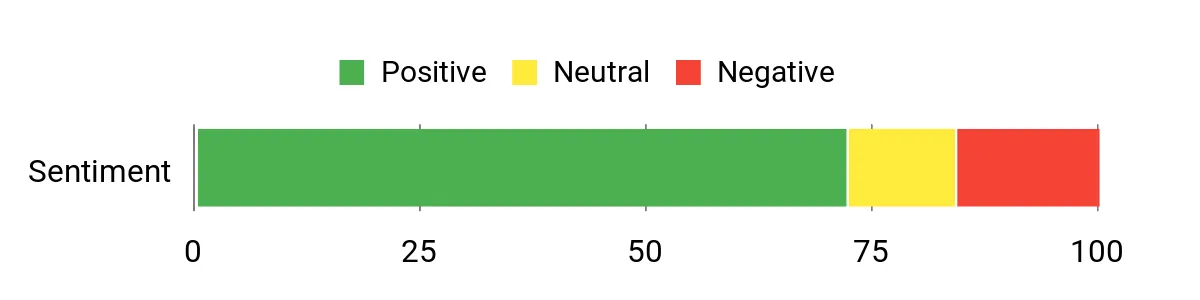
People often say it fits compatible older GE and ABB panels when a GFCI is needed. Many appreciate the convenience of the self-test, though some buyers report nuisance trips in certain applications. Overall impressions lean toward it being a dependable replacement when compatibility is verified first.
Overall Sentiment: Neutral
Durability
The breaker generally performs as expected for residential and light commercial use when matched to the right panel. Reports of intermittent trips make compatibility, charger behavior, and installation quality especially important.
Problem Solving
This unit answers the need for ground-fault protection on 50A 240V circuits and eases replacement headaches for compatible GE or ABB Q-Line panels. It does not eliminate every cause of nuisance tripping, but it provides the required GFCI function for many outdoor setups.
Key Benefits
- Built-in GFCI protection and self-test for outdoor or damp-location circuits
- Plug-in form factor for compatible GE or ABB-style panels
- Useful alternative when Siemens, QO, or Homeline breakers do not match your load center
If you need to add a 50 amp circuit but your compatible GE panel is tight on space, this half-size breaker is a handy option. It fits where a full-width breaker may not, making it useful for adding a dedicated EV charger circuit, a sub-panel feed, or another 240V load when slot count matters.
Just double-check the load center label before buying. Not every panel accepts half-size or tandem-style breakers in every position.
What People Say
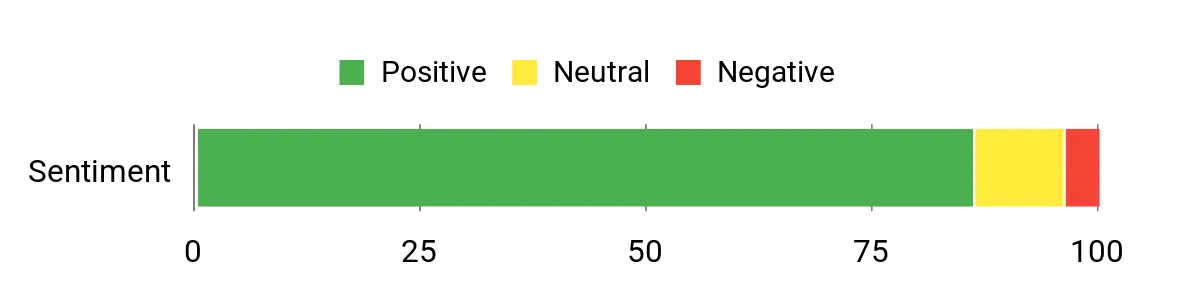
People commonly note that the breaker fits their compatible panels cleanly and makes adding circuits less of a hassle. Installers and DIYers appreciate the slim profile for tight panels and the ease of swapping it into a compatible bus.
Overall Sentiment: Positive
Durability
Construction is consistent with typical GE breakers, and users report reliable trip behavior in normal residential installations. With correct installation and proper wiring, it can provide dependable service for routine 240V circuits.
Problem Solving
This breaker solves the space constraint problem by offering a 50A solution in a half-width package. It does not provide ground-fault protection, so choose a GFCI-equipped breaker when your EV charger installation requires it.
Key Benefits
- Half-size design saves panel space for extra circuits
- Plug-in mount simplifies replacement and upgrades
- Straightforward fit for compatible GE-style panels
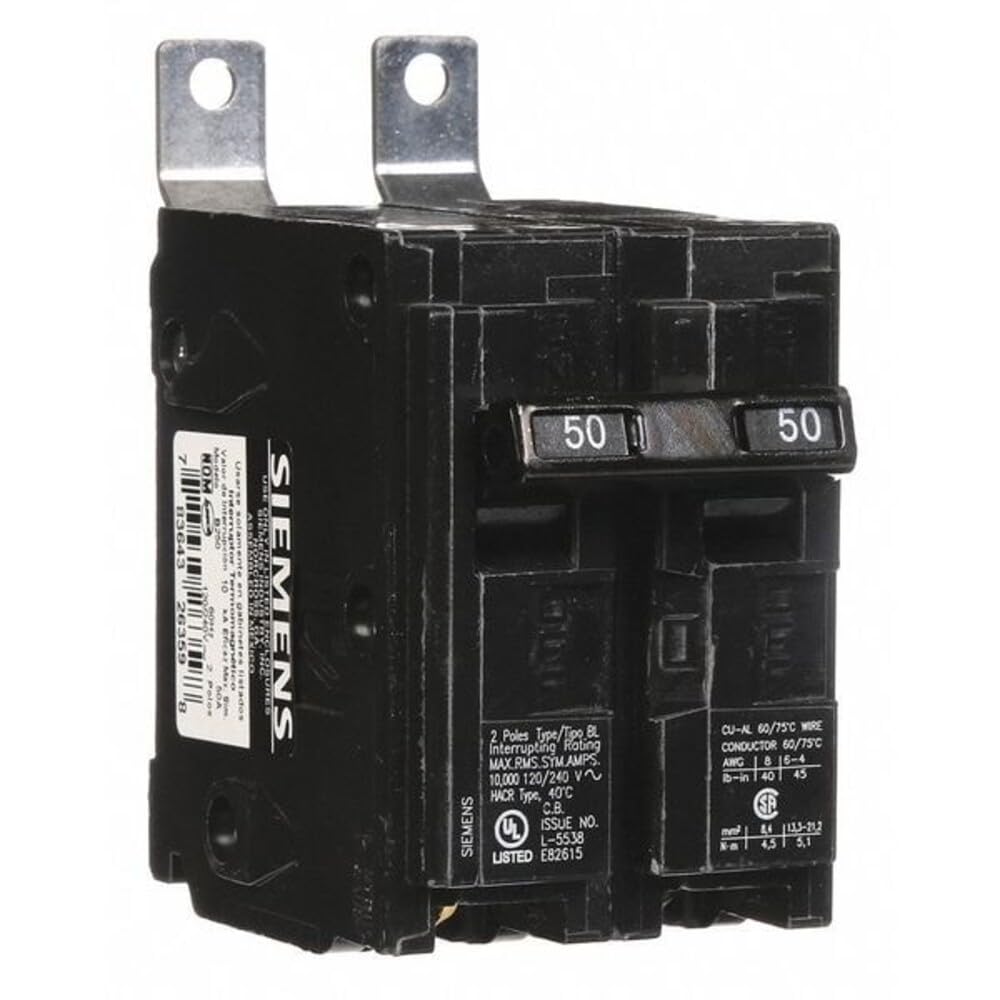
If your load center needs a bolt-in 50 amp option, the Siemens B250 is the kind of hardware you turn to. It is intended for panel-board installations where a plug-in style is not allowed. Use it only when your panel labeling calls for this breaker family and configuration.
For a dedicated 240V EV charger, pay close attention to physical fit, pole count, voltage rating, and mounting legs. This model is useful when a bolt-in breaker is the right match, but it is not a universal Siemens replacement.
What People Say
People generally report that the B250 fits panels that need a bolt-in breaker and delivers the expected protection for compatible circuits. Installers sometimes mention minor fitment checks during installation, so this is a better choice when you already know the panel requires a Type BL bolt-in breaker.
Overall Sentiment: Positive

Durability
The molded case design gives this breaker a durable feel for compatible residential and light commercial panels. Proper installation and exact panel compatibility matter because bolt-in breakers have less tolerance for guesswork.
Problem Solving
This breaker solves the specific need for a bolt-in protection device where plug-in types will not work. It does not replace a GFCI-equipped unit if ground-fault protection is required.
Key Benefits
- Bolt-in mounting for panels that require panel-mounted breakers
- Useful when a compatible Type BL breaker is specified
- Better fit for panel-board applications than plug-in alternatives
If your compatible Siemens panel is short on spaces but you need a 50 amp circuit, this triplex option is built for that situation. It gives you a double-pole 50A circuit alongside two 20A singles while saving panel space, which can help when adding an EV charger or RV outlet without a panel expansion.
The plug-in design keeps installation straightforward only when your load center accepts this style. Check the panel diagram and allowed breaker positions first.
What People Say
Most people mention that the breaker fits where space is tight and makes adding a 50A outlet or extra circuits much easier. Installers like the convenience of the triplex layout, but several users remind you to check compatibility because not all panels accept the CT form factor.
Overall Sentiment: Positive

Durability
Build quality aligns with typical Siemens expectations for plug-in breakers. Long-term reliability depends on correct installation, approved panel use, and avoiding overloaded adjacent circuits.
Problem Solving
This unit directly addresses panel space limits by offering multiple circuits in one frame. It will not replace a GFCI or bolt-in device where those are required, so match the breaker type to your panel and protection needs.
Key Benefits
- Triplex design saves panel space for new circuits
- Combines one 50A double pole with two 20A singles
- Plug-in mount for compatible Siemens panels
Before You Choose a 50 Amp Breaker
- Match the panel brand and series: Siemens, Square D QO, Square D Homeline, GE, and ABB breakers are not interchangeable just because the amp rating matches.
- Confirm two-pole 240V use: Most Level 2 EV charger circuits need a two-pole AC breaker sized for the charger’s configured current.
- Check GFCI needs: Outdoor, garage, receptacle-based, and wet-location installations may require GFCI protection depending on local code and charger design.
- Verify conductor size: Breaker size, wire type, wire gauge, terminals, and continuous load settings must work together.
- Use a pro when unsure: EV charging circuits are high-load circuits, so small compatibility mistakes can create serious safety risks.
FAQ
Do I Need a 50 Amp Breaker For My EV Charger?
You should match the breaker to your charger, charger settings, conductor size, and local electrical code. Many Level 2 home chargers can be configured around 40 amps continuous, and a 50 amp breaker is common for that setup because continuous loads need extra headroom.
Check your EVSE manual for the required continuous current, verify the charger settings, and confirm the installation with local code or a licensed electrician before wiring.
How Do I Choose A Breaker That Fits My Panel?
Start by checking the panel label and the breaker families it accepts. Manufacturers make specific breaker types for their load centers, so a Siemens QP or QF-type fits certain Siemens panels, QO fits Square D QO panels, and Homeline fits Homeline panels. Also pay attention to plug-in versus bolt-in style and half-size or triplex options if space is tight.
Using a breaker that matches the panel avoids fit issues, overheating risk, and warranty problems. If you’re unsure, bring the panel model number and breaker catalog number to a licensed electrician or electrical supplier.
Should I Use A GFCI Breaker For Outdoor EV Charging?
Ground-fault protection is required for many outdoor and wet-location installations, and some EV chargers include built-in protection while others do not. A GFCI breaker gives you panel-level protection and may include features like self-test and lockout, which adds safety and reduces the chance of unsafe resets.
Make sure the GFCI breaker is compatible with your panel, and note that some GFCI breakers require a neutral pigtail. When in doubt, check local code and consult an electrician to decide whether the EVSE’s internal protection is sufficient or a GFCI breaker is preferred.
Can I Use Any 50 Amp Breaker For a 240V EV Charger?
No. The amp rating is only one part of the decision. A typical 240V EV charger needs a suitable AC two-pole breaker that matches the exact panel series. Breakers made for DC battery systems, marine use, or 120V single-pole circuits are not substitutes for a proper 240V EV charging breaker.
Which 50 Amp Breaker Is Best Overall?
The Siemens Q250 is the best overall pick when you have a compatible Siemens load center and need a standard non-GFCI 50 amp two-pole breaker. If your installation requires GFCI protection, choose the breaker that matches your panel, such as the Siemens QF250A, Homeline GFCI, or ABB THQL2150GFT.
Wrapping Up
If you need a reliable breaker for a 50 amp EV circuit and your panel supports it, the Siemens Q250 is the most versatile standard choice. If your installation requires built-in ground-fault protection for outdoor charging, pick a GFCI model such as the Siemens QF250A, Homeline GFCI, or ABB THQL2150GFT depending on your panel type.
For Square D QO panels, use the QO250 to ensure the correct plug-in fit. Choose a bolt-in or space-saving model only if your panel label specifically allows that breaker style.
| Product Name | Image | Brand | Current Rating | Circuit Breaker Type | Action |
|---|---|---|---|---|---|
| Q250 50-Amp Double Pole Type QP Circuit Breaker |
 |
SIEMENS | 50 Amps | Standard | Check Price |
| Siemens QF250A Breaker Ground Fault Circuit Interrupter |
 |
SIEMENS | 50 Amps | GFCI | Check Price |
| Genuine Square D QO250 Circuit Breaker Kit, 50 Amp |
 |
Square D | 50 Amps | Standard | Check Price |
| 50 Amp HOM250GFIC Two Pole GFCI Circuit Breaker for Square D Homeline |
 |
Schneider Electric | 50 Amps | GFCI | Check Price |
| ABB Q-Line THQL2150GFT 50A 240-Volts Double Pole Circuit Breaker |
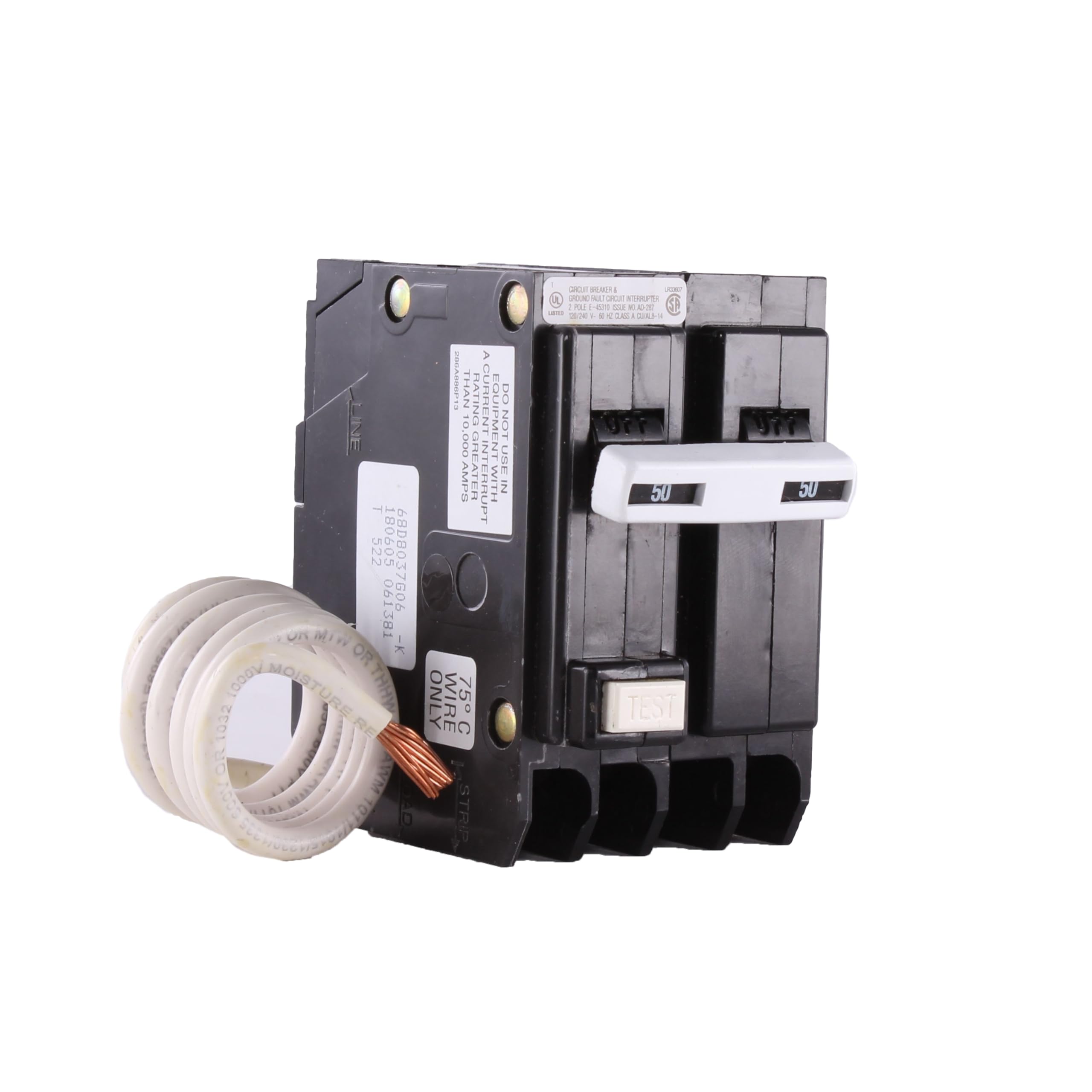 |
ABB | 50 Amps | GFCI | Check Price |
| GE GIDDS-608070 Breaker Double Pole 50 Amp Half Size |
 |
GE | 50 Amps | Standard | Check Price |
| Siemens B250 50-Amp Bolt-In Breaker |
 |
SIEMENS | 50 Amps | Standard Bolt-In | Check Price |
| Siemens Q22050CT 50-Amp Double Pole Two 20-Amp Single Pole Circuit Breaker |
 |
SIEMENS | 50 Amps plus two 20 Amp circuits | Triplex Standard | Check Price |
