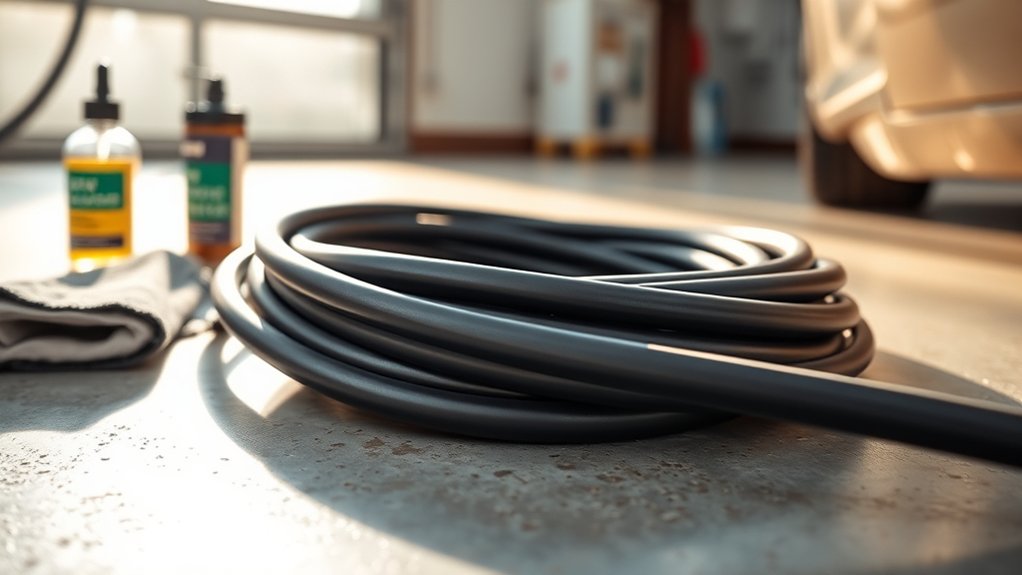
Your EV charging cable works hard every time you plug in. It may sit on a garage floor, drag across concrete, face rain, bake in the sun, or stiffen in cold weather. A simple care routine helps protect the cable jacket, connector pins, strain relief, and charging performance while reducing the risk of heat, faults, and early replacement.
Quick Answer
To extend your EV charging cable’s life, inspect it before use, grip the connector instead of pulling the cord, store it in loose loops on a hook or holster, keep the connector dry and clean, and stop using the cable if you see cracks, exposed wiring, melting, corrosion, or repeated charging faults.
Key Takeaways
- Inspect the full cable, plug, connector, and strain relief before charging, especially after travel or outdoor use.
- Avoid tight coils, sharp bends, tire traffic, dragging, pulling, and storing the cable on the ground.
- Use outdoor-rated charging equipment outdoors and follow the charger manufacturer’s instructions for rain, covers, and storage.
- Never use a damaged charger, household extension cord, multiplug adapter, or unapproved charging adapter.
- Replace or professionally inspect a cable that gets unusually hot, smells burnt, shows exposed conductors, or triggers repeated charging errors.
At a Glance
| Time Required | 30 seconds before each charge, plus 5 to 10 minutes for a monthly inspection |
| Difficulty | Easy, but stop and get help if you see electrical damage |
| Tools Needed | Dry microfiber cloth, wall hook or cable holder, connector holster or cap, storage bag for portable cables, and gentle compressed air if allowed by your manual |
| Cost | Usually low. Many steps cost nothing; hooks, caps, and bags are optional accessories. |
Warning: Do not use an EV charging cable if you see exposed wires, cracked insulation, melted plastic, burn marks, corrosion, a loose connector, a bent pin, a burning smell, or repeated overheating. Do not use household extension cords, multiplug adapters, or unapproved cable extenders for EV charging.
Why Neglecting Your EV Charging Cable Can Lead to Problems
Neglecting your EV charging cable can lead to damaged insulation, weak strain relief, hot connectors, charging interruptions, and safety risks. The cable jacket protects the internal conductors from abrasion, moisture, bending stress, and impact. Once that jacket cracks or wears through, the cable should not be treated as a normal wear item.
The Electrical Safety Foundation International advises drivers to visually inspect the charging cable before use, never use a damaged charger, follow the manufacturer’s charging instructions, use approved charging cables, store chargers properly, and make sure charging equipment is certified by a Nationally Recognized Testing Laboratory.
Mechanical strain is one of the biggest cable killers. Pulling the cable instead of the connector, dragging it across concrete, stepping on it, driving over it, or wrapping it tightly can weaken the jacket and the internal conductors. That damage may not always show on the outside right away, so careful handling matters even when the cable still looks usable.
Moisture, road salt, dirt, and dust can also affect the connector. A dirty connector may not seat cleanly in the vehicle inlet, and a wet or corroded connector can increase the chance of charging faults. Keep the plug end protected when it is not in use, and never force a connector that does not slide in smoothly.
Best Practices for Storing Your EV Charging Cables
Proper storage is one of the easiest ways to extend charging cable life. Store the cable in a cool, dry place when possible, and keep it away from sharp edges, chemical spills, standing water, hot exhaust parts, and heavy objects.
Coil the cable in large, relaxed loops instead of tight circles. Tight bends can stress the conductors and the strain relief near the connector. If your charger manual gives a minimum bend radius, follow that number. If it does not, use loose loops that let the cable rest naturally without kinks.
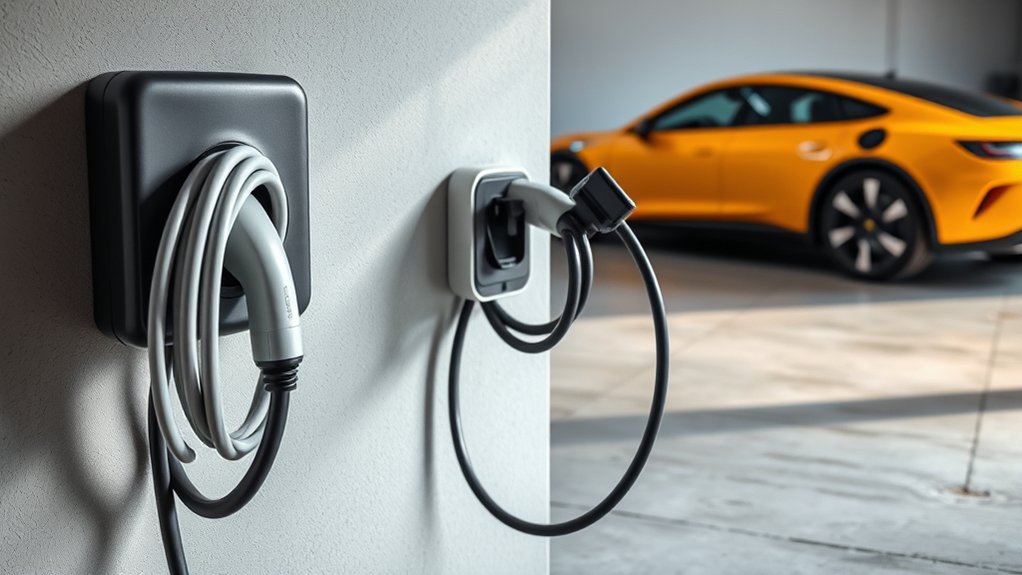
Hang the cable on a wall hook, cable holder, or charger-mounted holster. A holder keeps the cable off the floor, away from tire traffic, puddles, garage clutter, and tripping hazards. It also helps the connector dry and stay clean between sessions.
Pro Tip: Mount the hook close enough to the charge port that the cable reaches without being stretched. A cable that hangs under tension puts extra force on the connector, latch, and strain relief.
For portable Level 1 or portable Level 2 cordsets, use a storage bag or case when the cable rides in the trunk. Keep the connector capped, dry, and away from tools, cargo, and sharp metal edges. Do not toss the connector into a bin where the pins or latch can be knocked around.
How Weather Impacts Your EV Charging Cables
Weather can shorten the life of your EV charging cable if the equipment is not rated or stored correctly. Heat, UV light, cold, rain, humidity, ice, snow, and road salt all affect the cable jacket and connector in different ways.
The U.S. Department of Energy’s Alternative Fuels Data Center notes that outdoor EV charging can be safe, even in rain, when outdoor-rated equipment is used. That detail matters. Indoor-only equipment should not be stored or used outdoors, and outdoor equipment should still be handled according to the manufacturer’s instructions.
Temperature Extremes Effects
High heat and direct sun can age the cable jacket faster. Over time, UV exposure may make some materials fade, dry out, or crack. Avoid leaving a portable charging cable stretched across a hot driveway when it is not charging. After use, let the cable cool in the shade and store it on its holder.
Cold weather creates a different problem. A stiff cable is easier to kink, crack, or bend too sharply. In freezing weather, handle the cable slowly and avoid forcing tight loops. If ice forms around the connector or inlet area, follow your vehicle and charger manual. Do not chip at the connector with metal tools.
Moisture and Corrosion Risks
Rain, humidity, snow, and road salt can contribute to corrosion on exposed metal parts and dirt buildup around the connector shell. Keep the connector in its holster or cap when it is not plugged in. If the connector falls into a puddle or becomes packed with snow, stop and dry it according to the manufacturer’s instructions before using it again.
For outdoor storage, use a charger or cable management setup designed for outdoor use. The ESFI recommends covering chargers to the manufacturer’s specifications to help avoid water damage. Do not wrap the connector in makeshift plastic if your manual warns against trapping moisture or heat.
Note: Outdoor-rated does not mean abuse-proof. A weather-rated charger still needs a clean connector, a secure holster, proper GFCI protection where required, and regular inspections.
How to Identify Damage in Your EV Charging Cable
Before you plug in, scan the cable from one end to the other. Look at the cable jacket, strain relief, connector face, latch, plug end, and any portable control box. You are looking for visible damage and signs of heat.
- Cracks, cuts, or exposed inner layers: Stop using the cable until it is inspected or replaced.
- Melted plastic, discoloration, or burn marks: Treat these as heat-damage warnings.
- Loose connector, weak latch, or bent parts: A poor connection can interrupt charging or create heat.
- Corrosion, green residue, heavy dirt, or moisture inside the connector: Do not plug it in until it is safely cleaned and fully dry.
- Unusual heat during charging: A cable may feel slightly warm under normal use, but it should not feel hot, smell burnt, or soften.
- Repeated charging interruptions or error messages: Check the cable, outlet, charger, vehicle inlet, and app messages. Stop using the cable if the problem appears tied to heat, connector fit, or visible damage.
If you are unsure, do not test the cable by “trying one more charge.” Use a different approved charger if available, check your vehicle or EVSE manual, and contact the charger manufacturer, vehicle dealer, or a qualified electrician.
Daily Tips for Maintaining Your Charging Cables
A good routine does not need to be complicated. Use the same rhythm every time you charge: check, plug in carefully, unplug correctly, then store the cable.
Before Every Charge
- Check the cable path. Keep it away from tires, walking paths, puddles, sharp edges, and garage doors.
- Inspect the jacket. Look for cuts, cracks, flattening, swelling, or crushed spots.
- Check the connector. Make sure the connector is dry, clean, and not packed with dirt or snow.
- Confirm the fit. The connector should seat firmly without being forced.
After Every Charge
- Stop the session properly. Follow your vehicle or charger instructions before removing the connector.
- Grip the connector, not the cable. Pulling on the cord strains the internal conductors and connector body.
- Let the cable rest in loose loops. Avoid twisting it into a tight coil.
- Return the connector to its holster or cap. This keeps dust and moisture away from the contact area.
Monthly Deeper Check
Once a month, unplug the equipment as directed by your manual and do a slower inspection. Wipe the exterior cable jacket with a dry microfiber cloth, check the wall plug or hardwired EVSE area, inspect the cable holder, and look for signs that the cable is being stretched, pinched, or dragged.
The DOE AFDC says general EV charging infrastructure maintenance includes storing charging cables securely to prevent damage, checking parts periodically, and keeping equipment clean. Those same habits apply well to home charging cables.
Must-Have Accessories for Taking Care of Your Charging Cables
You do not need many accessories, but the right ones make cable care easier. Choose items that support the cable without pinching it and protect the connector without trapping water.
Cable Storage Solutions
- Wall hook or cable holder: Keeps the cable off the floor and reduces tripping, tire damage, and abrasion.
- Connector holster: Holds the connector face-down or protected, depending on the charger design.
- Connector cap: Useful for portable cables and travel cordsets when the connector is stored in a bag or trunk.
- Storage bag: Protects portable cables from tools, groceries, sharp cargo, and dirt.
- Cable reel: Helpful for long cables, but do not leave the cable tightly wound while it is carrying current unless the product is specifically designed and rated for that use.
Cleaning Tools Essentials
Use a soft, dry microfiber cloth to wipe the outside of the connector shell, cable jacket, and portable control box. For dust around the connector opening, use only gentle compressed air if your charger manual allows it. Do not spray water, cleaner, lubricant, or solvent into the connector.
If the connector is muddy, salty, wet, or visibly contaminated inside, stop and follow the manufacturer’s cleaning instructions. When in doubt, contact the charger maker instead of scraping, sanding, or poking the contact area.
Common Mistakes That Shorten EV Charging Cable Life
Most cable damage comes from small habits repeated over time. Avoid these common mistakes:
- Pulling the connector out by the cable instead of gripping the connector body.
- Running the cable under a tire or letting it sit where people walk or drive.
- Wrapping the cable tightly around the charger, post, or a small hook.
- Charging with an unapproved extension cord or adapter instead of approved EV charging equipment.
- Leaving a portable cordset in direct sun or standing water when it is not in use.
- Ignoring warm plugs, burnt smells, or repeated faults because the car still charges sometimes.
- Using liquids inside the connector instead of following the manual.
The best cable care rule is simple: keep the cable clean, loose, supported, dry when stored, and out of harm’s way.
When to Replace or Professionally Inspect an EV Charging Cable
Do not rely on age alone to decide whether a cable is safe. Some EV charging cables can last for years with careful use, while a newer cable can become unsafe after being crushed, overheated, soaked, cut, or abused.
Stop using the cable and get it replaced or inspected if you notice:
- Exposed wire or visible inner layers
- Cracked, split, bubbled, or melted insulation
- Burn marks, smoky odor, or discoloration near the plug or connector
- A connector that does not latch, seats loosely, or feels unstable
- Corrosion, bent pins, damaged contact areas, or heavy contamination
- Repeated charging errors that follow the cable to different outlets or stations
- A plug, connector, outlet, or cable section that becomes unusually hot
If the problem may involve the outlet, breaker, EVSE, or wiring, do not repair it yourself. The ESFI recommends that EV chargers be installed by a qualified electrician, and the DOE AFDC recommends safety-certified charging equipment and qualified electrical help when home electrical capacity or installation is involved.
Frequently Asked Questions
How do you make an EV charger cable last longer?
Inspect it before use, grip the connector instead of pulling the cable, avoid tight bends, keep it off the ground, store it in loose loops, protect the connector with a holster or cap, and clean only as directed by the manufacturer. Stop using it if you see heat damage, exposed wiring, corrosion, or repeated faults.
How long should an EV charging cable last?
There is no single lifespan that applies to every EV charging cable. Life depends on the cable design, usage frequency, storage, weather exposure, and damage history. A well-kept cable can last for years, but any cable with cracked insulation, exposed conductors, melting, corrosion, or overheating should be removed from service.
Can you extend an EV charger cable?
Do not extend an EV charger cable with a household extension cord, multiplug adapter, or unapproved cable extender. If the cable does not reach, use manufacturer-approved charging equipment with a suitable cable length or have a qualified electrician install the outlet or charger in a safer location.
Is it safe to charge an EV in the rain?
Yes, outdoor EV charging can be safe in rain when the charger, cable, outlet, and installation are rated for outdoor use and used according to the manufacturer’s instructions. Do not use indoor-only equipment outdoors, and do not plug in a connector that is damaged, contaminated, or filled with water.
Why does my EV charging cable feel warm?
A cable can feel slightly warm during normal charging, especially during higher-current sessions. It should not feel hot, smell burnt, soften, discolor, or trigger repeated faults. If heat seems unusual, stop charging and check the cable, connector, plug, outlet, and charger before using it again.
Conclusion
You can extend your EV charging cable’s life by treating it like safety equipment, not just a cord. Inspect it before use, avoid pulling or tight coiling, keep the connector clean and protected, store it off the ground, and use only approved charging equipment. If you see cracks, exposed wires, corrosion, melting, burning smells, or repeated charging faults, stop using the cable and get the problem checked. Good cable care keeps charging safer, cleaner, and more reliable for years.
Sources
- Electrical Safety Foundation International: Electric Vehicle Charging Safety — supports inspection, damaged charger warnings, approved cables, extension cord warnings, GFCI guidance, NRTL certification, and qualified electrician guidance.
- U.S. DOE Alternative Fuels Data Center: Charging Electric Vehicles at Home — supports outdoor-rated equipment, home charging, safety-certified equipment, and code-compliant installation guidance.
- U.S. DOE Alternative Fuels Data Center: Operation and Maintenance for EV Charging Infrastructure — supports secure cable storage, periodic checks, and keeping charging equipment clean.
- U.S. DOE Alternative Fuels Data Center: Electric Vehicle Charging Stations — supports EV charging connector terminology and charging equipment context.