
⚠️ Affiliate Disclosure: This page contains Amazon affiliate links. When you purchase through our links, we may earn a small commission at no extra cost to you. This helps us keep the content free and up to date.
Last updated: June 2026
You want an EV charger that simply works with your smart home, charges quickly and safely, and helps you manage energy and costs. Choosing the right charger matters because it affects daily convenience, home electricity load, and how well your charging integrates with automation in Home Assistant.
This guide helps you pick a charger that matches your vehicle, budget, and smart-home goals — so you spend less time worrying about charging and more time using your EV. We evaluated each option for Wi-Fi capability, energy monitoring, existing Home Assistant community integrations, open API support, safety certifications, charging speed, and long-term durability.
⚡ Quick Recommendations
- Best overall for HA energy automation: EMPORIA Pro
- Best for Tesla owners: Tesla Wall Connector
- Best overall hardwired (J1772): ChargePoint HomeFlex
- Best plug-and-play with smart features: NexCyber 48A
- Best budget backup (no HA integration): EVDANCE Portable
Top Picks
| Category | Product | Score |
|---|---|---|
| ⚡ Best for Tesla | Tesla Wall Connector | 96/100 |
| 🎯 Best Energy Management + HA | EMPORIA Pro | 95/100 |
| 🏆 Best Overall (J1772) | ChargePoint HomeFlex | 87/100 |
| 🔌 Best Plug-and-Play | NexCyber 48A | 90/100 |
| 💼 Best Smart Features (Plug-In) | Autel 40A | 88/100 |
| 🔋 Best Heavy-Duty Hardwired | Autel 50A | 86/100 |
| ⭐ Best Tesla-Compatible (NACS) | ChargePoint NACS | 82/100 |
| 💰 Best Budget Portable (no HA integration) | EVDANCE Portable | 78/100 |
| 🚗 Best Portable Tesla (no HA integration) | SEGUMA Portable | 80/100 |
| 🛠️ Most Affordable 50A (verify HA support) | VDLPOWERVP 50A | 65/100 |
How We Scored Each Charger
We prioritized units with clear support for J1772 or NACS connectors, usable amperage for faster Level 2 charging, safety certifications (UL or ETL), and solid warranty coverage. Because this guide targets Home Assistant users specifically, we gave extra weight to built-in energy monitoring, Wi-Fi or API-accessible apps, documented community integrations or MQTT support, and whether the manufacturer provides power management features you can wire into HA automations.
Cost, installation type (plug-in versus hardwired), indoor/outdoor rating, and customer-reported long-term durability also factored into each score. Products with no WiFi or documented HA integration path are marked clearly — they are still useful chargers, but they earn lower scores in this context.

🏆 Best Overall Hardwired — J1772
ChargePoint HomeFlex
ChargePoint HomeFlex Level 2 EV Charger J1772 — fast, hardwired home charging station with Energy Star certification and a 3-year manufacturer warranty.
ChargePoint HomeFlex is a well-established name in home EV charging and one of the most reliably documented chargers in the Home Assistant community. It delivers 240V at up to 50 amps, so overnight top-ups are fast and predictable. The compact wall-mount profile and integrated cable keep the garage tidy, and the Energy Star rating plus a three-year warranty make it a long-term purchase you can trust.
For Home Assistant users, the ChargePoint integration is available through the HA community and allows session monitoring, scheduling, and state tracking. It doesn’t expose raw MQTT natively, but the documented integration path is mature enough that most users have it running within an afternoon. If you want a solid, no-nonsense hardwired charger with a proven HA integration record, this is the first one to consider.
✅ Pros
- Mature Home Assistant community integration
- Energy Star certified — efficient and grid-friendly
- 3-year warranty and compact, tidy design
❌ Cons
- Requires hardwired installation by a licensed electrician
- App has occasional connectivity quirks per user reports
What People Say
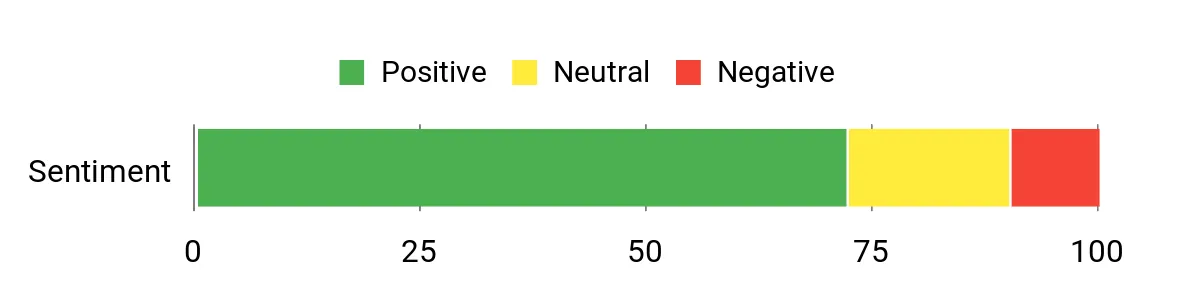
Owners frequently point to reliable charging speed and a sturdy build, noting the hardwired setup feels permanent and dependable. Many report that electrician installation went smoothly and the integrated cable keeps things neat. Some mention occasional app quirks, but most appreciate the efficiency and warranty backing.
Overall Sentiment: Positive
Environmental Benefits
| Impact | Benefit |
|---|---|
| Reduced Grid Demand | Faster home charging lets you concentrate charging to off-peak or solar-heavy hours, lowering grid strain and using cleaner energy when available |
| Energy Efficiency | Energy Star certification means less wasted power during charging, trimming overall emissions from home use |
| Longer Product Life | Durable construction and a multi-year warranty reduce the frequency of replacements, cutting manufacturing and disposal impacts |
Key Benefits
- Fast Level 2 charging that adds useful range overnight or between errands
- Hardwired installation for a tidy, permanent setup and consistent power
- Energy Star efficiency and a three-year manufacturer warranty
- Proven Home Assistant community integration for scheduling and monitoring

⚡ Best for Tesla Owners
Tesla Wall Connector
Tesla Wall Connector — Home Level 2 EV charger with NACS, up to 48A output, UL certified and designed for fast Tesla home charging.
If you drive a Tesla, the Wall Connector is the most direct path to fast, reliable home charging. It delivers up to 48 amps — roughly 44 miles of range added per hour on compatible models — so overnight charging or a quick top-up before a trip becomes completely routine. The slim wall-mount design is one of the tidiest in the category.
For Home Assistant users, the Tesla integration (via the official Tesla or Tesla Fleet API integration in HA) lets you monitor charge state, trigger charging sessions, and track energy use. Non-Tesla EV owners need a J1772 adapter to use this connector, which works fine but adds a step. If you own a Tesla and want the fastest, cleanest native experience, this is the clear first pick.
✅ Pros
- Up to 48A / ~44 mi range added per hour on compatible Teslas
- UL certified, slim profile, built-in cable management
- Integrates with Home Assistant via Tesla Fleet API
❌ Cons
- Non-Tesla EVs need a J1772 adapter (sold separately)
- HA integration depends on Tesla API availability and rate limits
What People Say
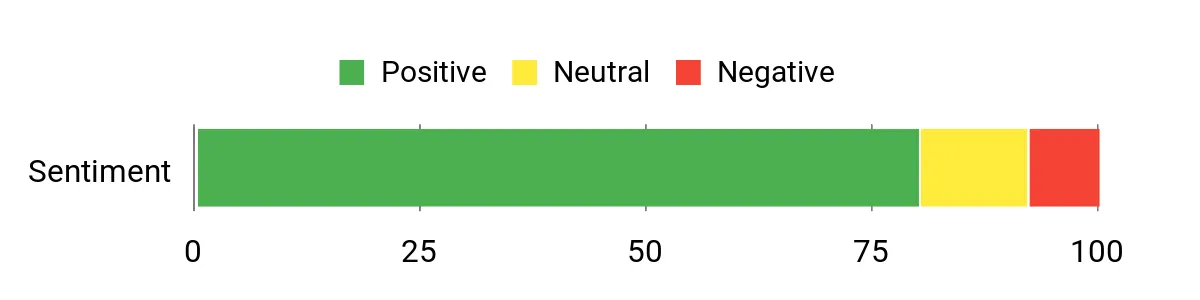
Customers consistently praise the charging speed and how reliably it cuts overnight charge time. Many appreciate the tidy design and seamless fit with Tesla vehicles. A few note that non-Tesla drivers need an adapter, but overall the pattern is that it simply works and simplifies daily charging without fuss.
Overall Sentiment: Positive
Environmental Benefits
| Impact | Benefit |
|---|---|
| Peak Shifting | Faster charge rates let you concentrate charging into off-peak or solar-friendly hours, reducing reliance on fossil-heavy grid times |
| Efficient Energy Use | High-efficiency charging and UL certification mean less wasted electricity during transfers from grid to battery |
| Durable Hardware | Robust construction and safety approvals reduce the need for early replacements, lowering manufacturing and disposal impacts |
Key Benefits
- High charging speed that adds significant range per hour for Tesla models
- Sleek, low-profile design mounts cleanly in any garage
- Wide certification coverage for safety and reliability
- Home Assistant integration via Tesla Fleet API for charge monitoring and automation

💰 Best Budget Portable
EVDANCE Portable
Portable Level 1/2 EV charger with 25 ft cable, plug options for NEMA 5-15 and 6-20, supports 120V and 240V charging for J1772 vehicles.
EVDANCE is the right pick if you need flexibility above all else. It supports both 120V and 240V outlets, so you can use a standard household plug for slow overnight top-ups or a 240V circuit for genuine Level 2 speeds. The 25-foot cable handles awkward parking positions without stress, and the plug-and-play design means zero electrical work to get started.
This is a smart purchase as a secondary or backup charger — particularly useful when traveling, at a vacation property, or in a shared parking scenario where a permanent hardwired unit isn’t practical. Don’t expect smart scheduling or HA automations from this unit, but as a grab-and-go charging solution it earns its place.
✅ Pros
- Dual 120V / 240V voltage support — works with most common outlets
- 25 ft cable and lightweight for travel or shared spaces
- Zero installation required
❌ Cons
- No WiFi, no app, no Home Assistant integration
- Slower charge rates than dedicated hardwired units
What People Say
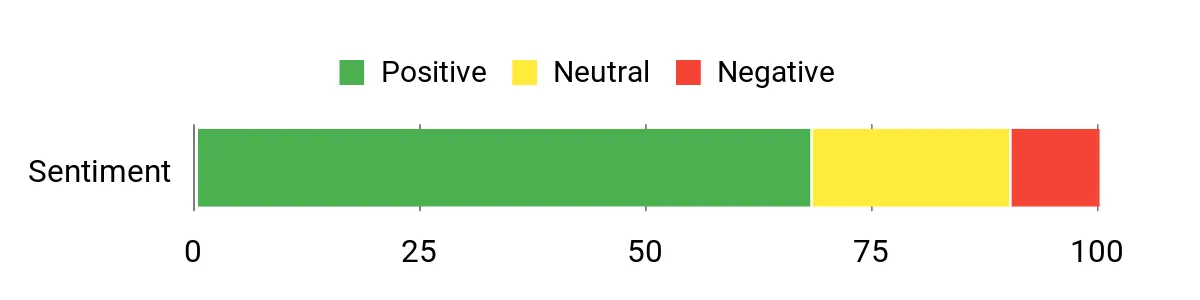
Owners frequently mention the dual-voltage flexibility as the standout feature, since it works with common outlets and can step up to faster speeds on a 240V circuit. The long cable and portability get consistent praise for travel and shared parking use. Most find the simplicity and flexibility make it a useful backup companion.
Overall Sentiment: Positive
Key Benefits
- Dual-voltage support for 120V and 240V flexibility
- Long 25 ft cable for easier parking positions
- Plug-and-play design that avoids permanent installation
- Lightweight and portable for travel or temporary use
🎯 Best for Home Assistant Energy Automation
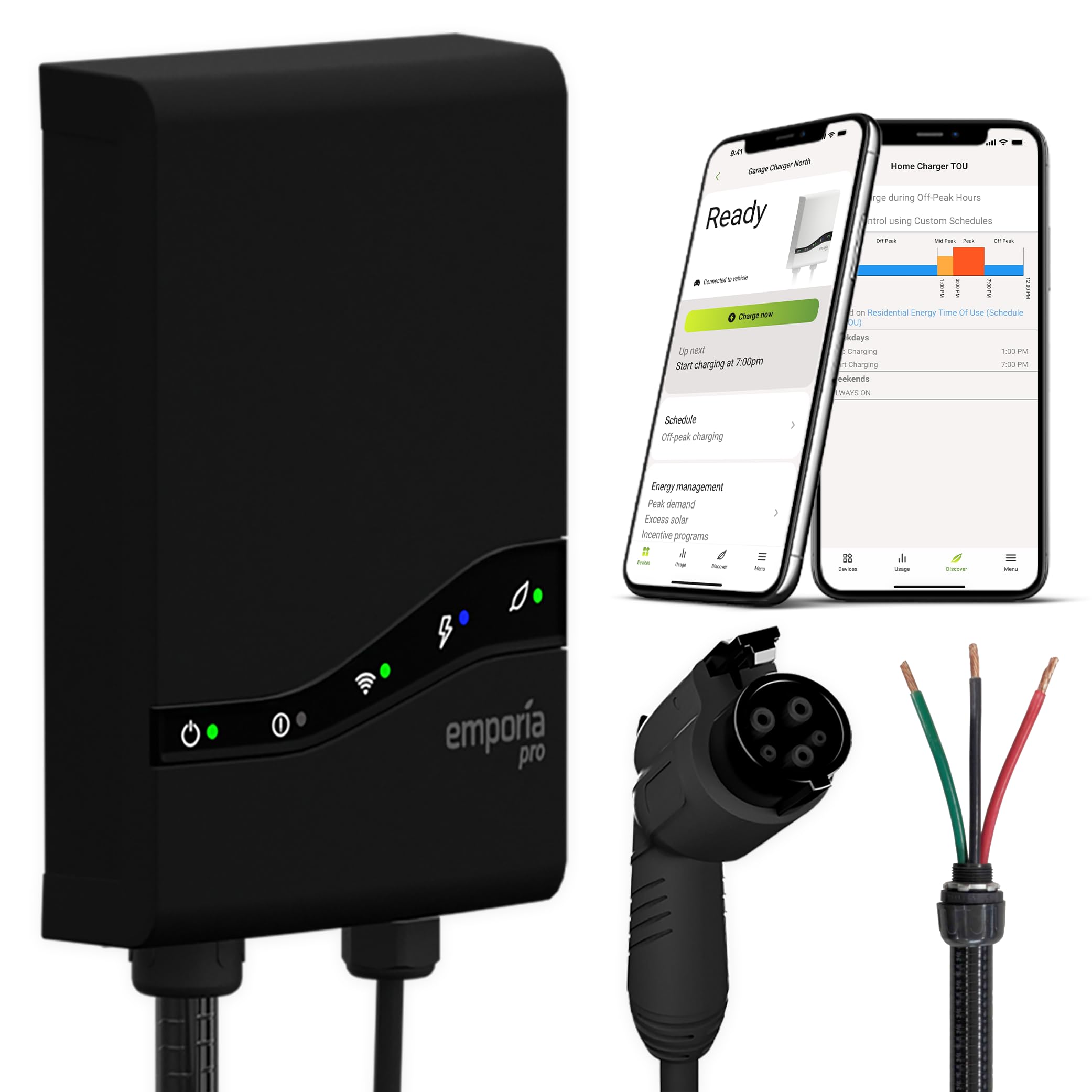
EMPORIA Pro
EMPORIA Pro Level 2 EV Charger with PowerSmart — hardwired 48A J1772 charger with 25′ cable, Vue Home Energy Monitor, and PowerSmart software for whole-home energy coordination.
For Home Assistant users who want the deepest integration between EV charging and whole-home energy management, the EMPORIA Pro is the standout choice. The bundled Vue energy monitor feeds real-time circuit-level data into the Emporia Home Assistant integration, letting you build automations that respond to solar production, grid pricing, or other high-draw appliances in your home. The 48A output keeps charge times short, and the 25-foot cable handles most garage layouts without stress.
The three-year warranty and U.S.-based support are reassuring for a permanently installed appliance. Getting the most from the PowerSmart features does require some initial setup time, but for anyone already comfortable with Home Assistant, the payoff — charging only when it’s cheapest or greenest — is exactly what this audience is looking for.
✅ Pros
- Best-in-class HA energy integration via Emporia integration + Vue monitor
- 48A output for fast overnight charging
- 3-year warranty and U.S.-based customer support
❌ Cons
- Requires hardwired installation — needs a licensed electrician
- App and integration setup has a moderate learning curve
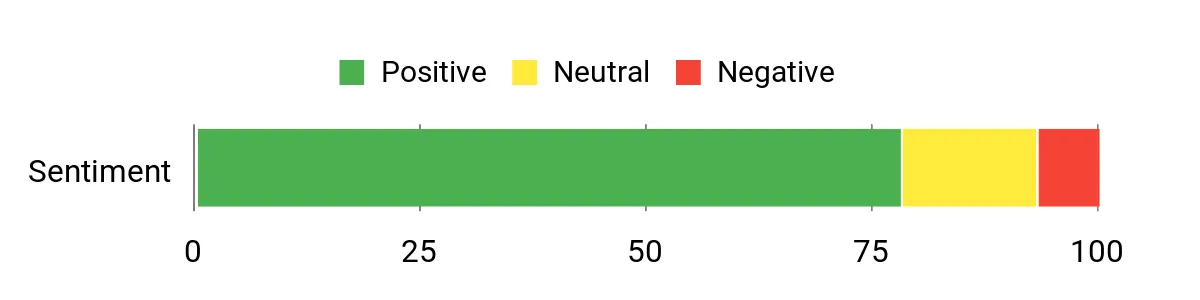
What People Say
Customers frequently praise the energy monitoring capability — especially the ability to schedule charging around solar production or lower-cost grid hours. People also mention the solid hardware and the relatively straightforward installation process. A few note that getting the most from the app and HA integrations takes some initial configuration, but most find the visibility and automation potential worth the effort.
Overall Sentiment: Positive
Environmental Benefits
| Impact | Benefit |
|---|---|
| Load Shifting | PowerSmart lets you move charging to off-peak or solar-rich periods, reducing reliance on fossil-heavy grid times |
| Optimized Solar Use | Integration with the Vue home energy monitor increases the share of on-site solar used for charging, lowering overall emissions |
| Reduced Hardware Turnover | Durable construction and a multi-year warranty reduce the need for early replacement, cutting manufacturing and disposal impacts |
Key Benefits
- 48A output for faster Level 2 charging
- Built-in Vue energy monitor and PowerSmart software for whole-home load management
- Deepest Home Assistant integration path of any charger on this list
- Three-year warranty and U.S. customer support

⭐ Best Tesla-Compatible with ChargePoint App
ChargePoint NACS
ChargePoint HomeFlex Level 2 EV Charger — Hardwired NACS connector, Tesla-compatible, 50A output, permanent installation, 3-year warranty.
This is the option for Tesla owners who want ChargePoint’s scheduling app and HA community integration rather than Tesla’s own ecosystem. It uses a NACS connector natively and delivers up to 50 amps, which slightly edges out the Tesla Wall Connector’s 48A ceiling. For Home Assistant users, the ChargePoint integration applies here just as it does for the J1772 model — session tracking, scheduling, and energy data are all accessible.
The clear difference from the J1772 HomeFlex is the connector: if your vehicle has a NACS port (newer Teslas and an expanding list of other EVs adopting the standard), this eliminates the need for an adapter. If your car uses J1772, choose the standard HomeFlex instead.
✅ Pros
- NACS connector — no adapter needed for Tesla and NACS-native EVs
- Up to 50A output, 3-year warranty
- Same ChargePoint HA integration as the J1772 model
❌ Cons
- NACS only — requires adapter for J1772 vehicles
- App updates occasionally require attention per user reports
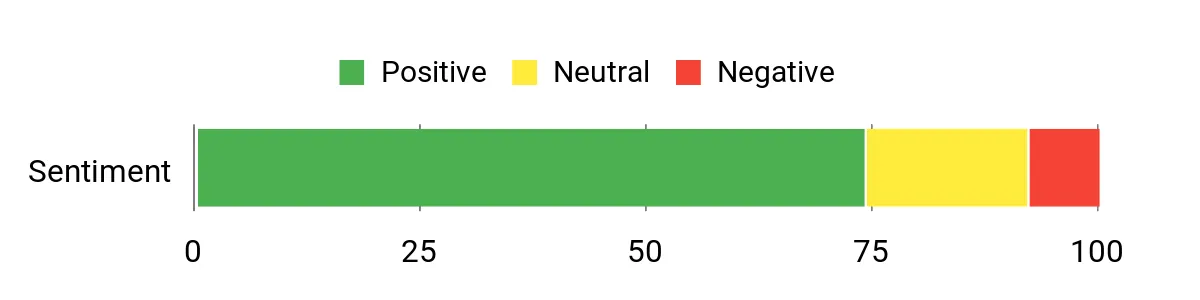
What People Say
Owners praise the fast, consistent charging and the clean wall-mounted design. Many appreciate that it works natively with Tesla vehicles and that the multi-year warranty provides reassurance. A few note that professional installation is recommended, and occasional app updates need attention, but most find the setup worthwhile.
Overall Sentiment: Positive
Key Benefits
- NACS compatibility for Tesla owners and other NACS-native EVs
- Hardwired design for reliable, permanent home charging
- Up to 50A output for faster overnight fills
- Three-year warranty and Home Assistant community integration
🔌 Best Plug-and-Play Smart Charger
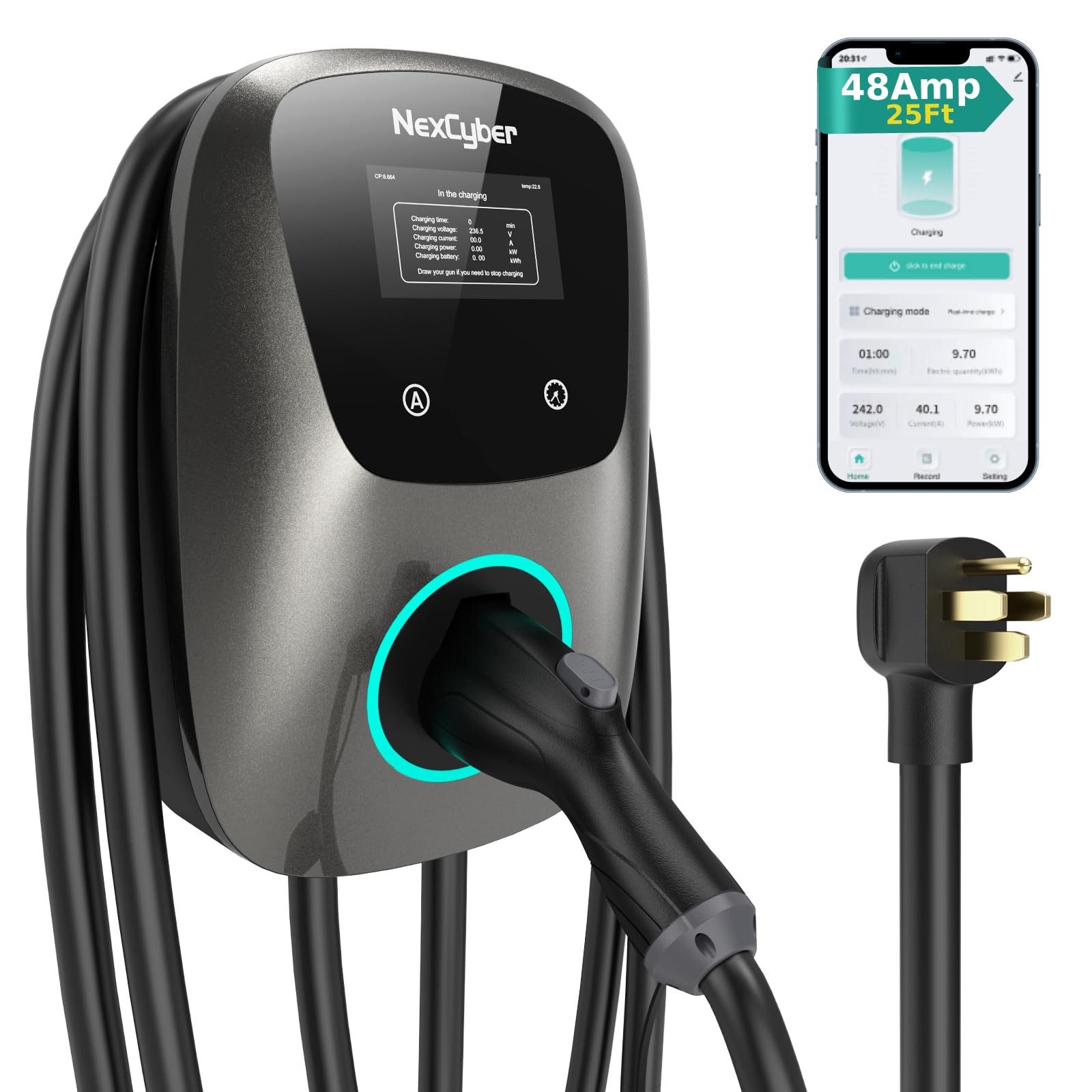
NexCyber 48A
WiFi-enabled, plug-and-play Level 2 EV charger — 48A capability, 25 ft cable, NEMA 14-50 plug, ETL and Energy Star certified.
NexCyber’s 48A charger is the best plug-and-play option on this list for Home Assistant users who don’t want the commitment of a hardwired installation. It draws from a NEMA 14-50 outlet — the same type used by many dryers and RV hookups — and delivers genuine Level 2 speeds without rewiring. The WiFi app supports scheduling and monitoring, and the ETL/Energy Star certifications confirm it meets safety standards.
For Home Assistant integration, NexCyber is a newer brand without a dedicated official HA integration at the time of this writing. Community integrations may be available via the HA forums or through local API approaches — check the Home Assistant community forum for the latest status before purchasing if deep automation is your primary goal. For app-based scheduling without heavy HA automation, it’s a well-rounded choice.
✅ Pros
- 48A output — no compromise on speed despite plug-in design
- ETL and Energy Star certified — verified safety credentials
- 25 ft cable for flexible parking positions
❌ Cons
- Newer brand — verify current Home Assistant community integration status before buying
- Occasional app connectivity quirks per user reports
What People Say
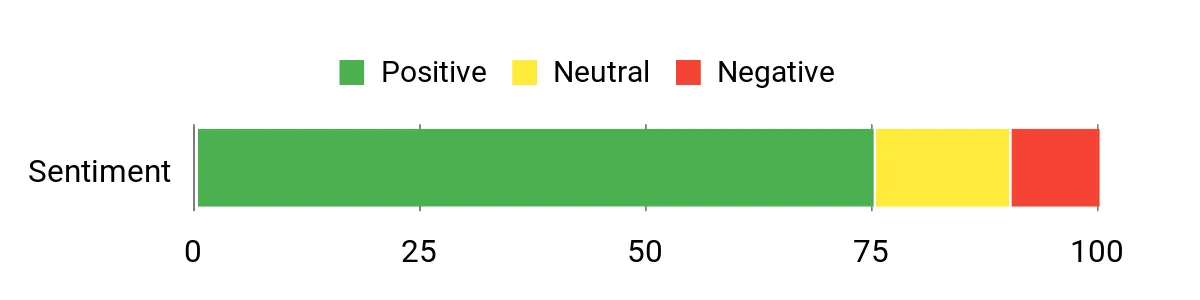
Owners consistently highlight the ease of setup and the fact that plug-and-play gets them Level 2 speeds without an electrician visit. The long cable draws frequent praise for awkward garages, and app-based scheduling is appreciated. A few mention occasional app hiccups, but most say convenience and performance make it a strong everyday option.
Overall Sentiment: Positive
Key Benefits
- Plug-and-play setup avoids permanent electrical work
- 48A output speeds up Level 2 charging for daily use
- 25 ft cable provides flexible parking positions
- WiFi app support enables scheduling and smart-home integration
💼 Best Smart Features in a Plug-In Charger
Autel 40A
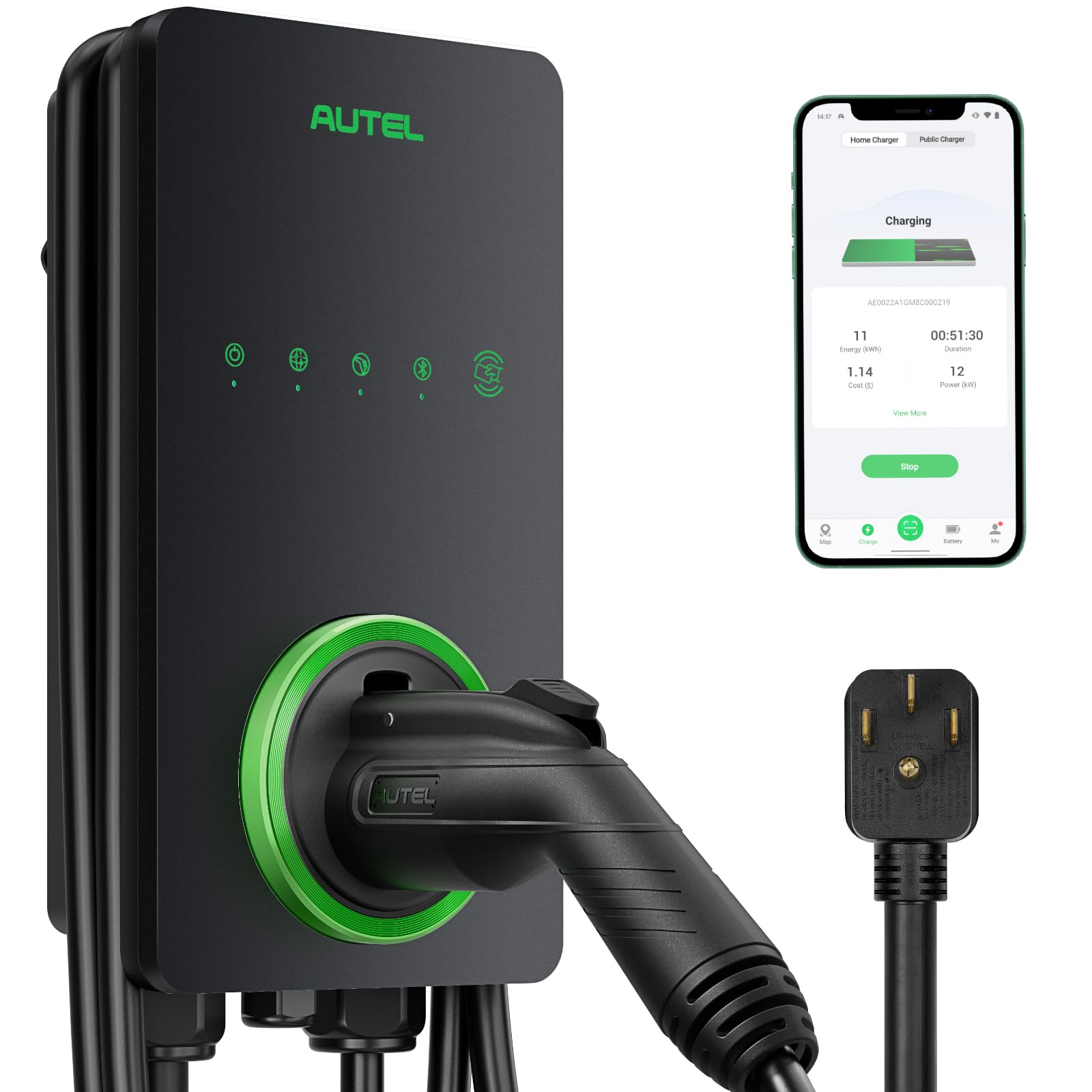
Autel Level 2 EV Charger 40A — WiFi and Bluetooth, 25 ft cable, NEMA 14-50 plug, in-body holster, and smart scheduling for home charging.
Autel’s 40A charger earns its “Best Smart Features” label by pairing solid charging performance with both WiFi and Bluetooth — giving you two connectivity paths for app control and scheduling. The in-body holster keeps the cable off the floor, which is a small but genuinely useful detail in a daily-use garage setup. The NEMA 14-50 plug-in design means no electrical work beyond the outlet itself.
For Home Assistant, Autel has a growing community presence. Check the HA community integrations page for the current integration status — some users have achieved local control via the Autel app’s API. The dual WiFi/Bluetooth connectivity is an asset here since Bluetooth can serve as a fallback if your home network isn’t reaching the garage well.
✅ Pros
- Both WiFi and Bluetooth — dual connectivity for reliable app access
- In-body cable holster keeps the garage tidy
- 3-year warranty, plug-and-play NEMA 14-50 setup
❌ Cons
- 40A vs 48A — slightly slower than top-tier options
- HA integration relies on community work — verify current status before purchasing
What People Say
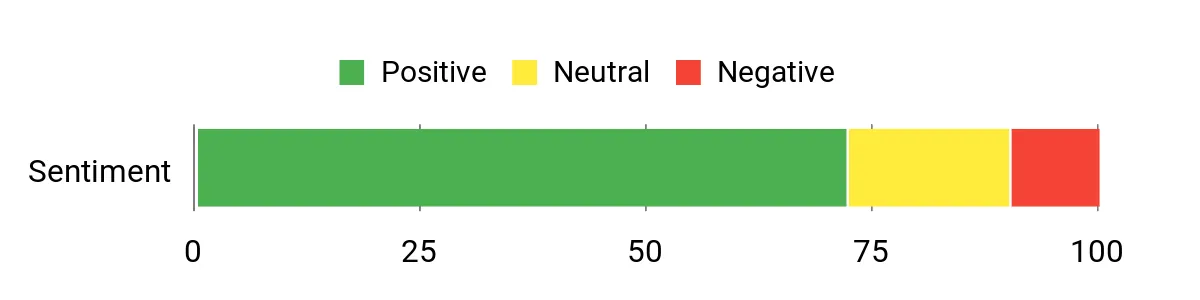
Users highlight the combination of solid charging speed and convenient smart controls, saying WiFi and Bluetooth make scheduling simple once configured. Many like the long cable and built-in holster for a tidy garage, and the plug-in design gets consistent praise for easy setup. A few mention occasional connectivity quirks, but most appreciate the everyday reliability.
Overall Sentiment: Positive
Key Benefits
- 40A output for faster Level 2 charging
- WiFi and Bluetooth dual connectivity for scheduling and remote control
- 25 ft cable and in-body holster for neat storage and flexibility
- NEMA 14-50 plug for plug-and-play convenience

🔋 Best Heavy-Duty Hardwired
Autel 50A
Autel Home Smart Level 2 EV Charger — hardwired 50A, 240V, indoor/outdoor weatherproof rated with WiFi/Bluetooth, 25 ft cable.
The Autel 50A is the hardwired version of Autel’s smart charger lineup, and the jump to 50A combined with a weatherproof enclosure makes it genuinely suitable for outdoor driveway installations as well as garage mounting. At 50 amps it’s one of the highest-output options on this list, cutting charge times noticeably for larger-battery EVs or households with high daily mileage.
WiFi and Bluetooth both come standard, and the smart app handles scheduling with reasonable reliability. The same caveats about Autel’s Home Assistant integration apply here as with the 40A model — check community forums for the current integration status. The extra 10A over the 40A model makes this worth the hardwired installation if you drive a lot or have a large-battery EV.
✅ Pros
- 50A — highest output in Autel’s lineup for fastest hardwired fills
- Weatherproof for outdoor or exposed driveway mounting
- WiFi + Bluetooth dual connectivity
❌ Cons
- Requires hardwired electrician installation
- HA integration relies on community work — verify before purchasing
What People Say
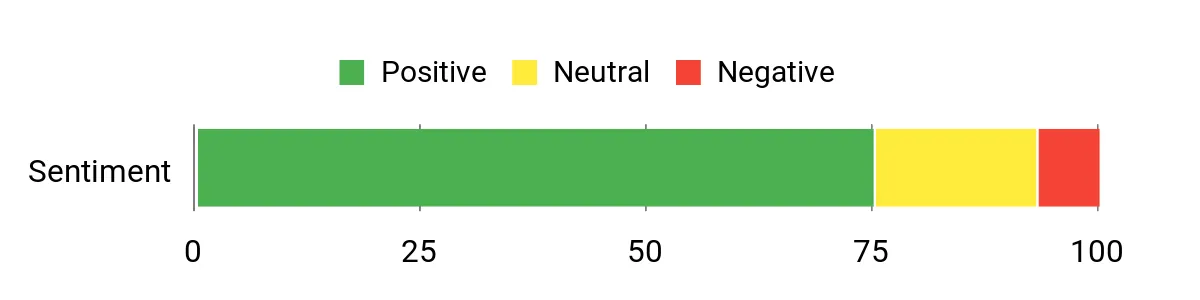
Owners call out the unit’s dependable performance and smart scheduling convenience. The hardware feels robust and the long cable gets genuine praise in awkward parking setups. Professional installation is recommended, and a few point to occasional app configuration steps, but the overall picture is reliable heavy-duty charging.
Overall Sentiment: Positive
Key Benefits
- 50A output for faster Level 2 charging and shorter turnaround
- Indoor/outdoor weatherproof build for flexible mounting locations
- WiFi and Bluetooth for scheduling, monitoring, and automations
- 25 ft cable and tidy design keep your garage or driveway organized
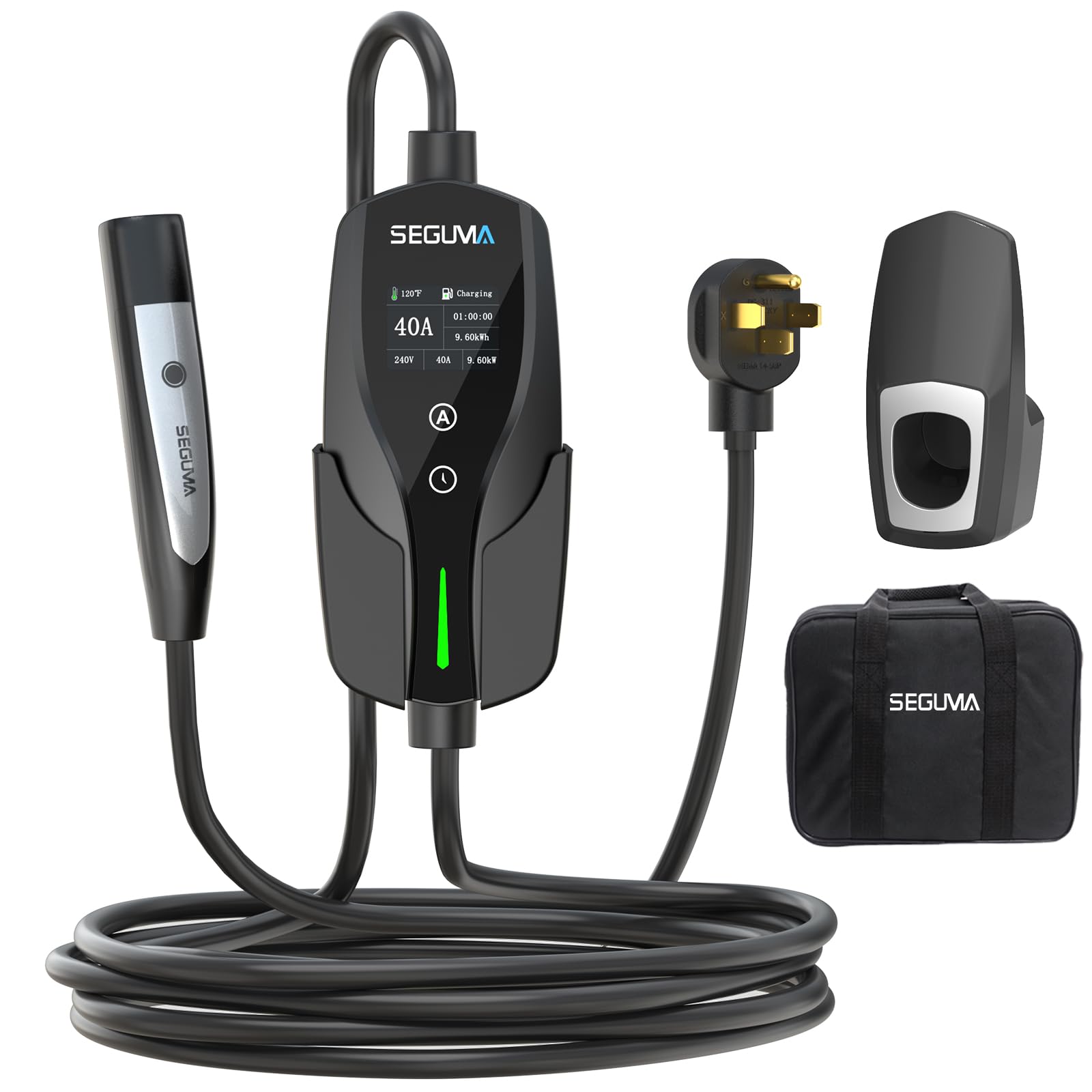
🚗 Best Portable Option for Tesla
SEGUMA 40A
Portable Level 2 Tesla-compatible charger — NEMA 14-50 plug, 40A output, 25 ft cable, adjustable current, and delay-start timer.
If you own a Tesla and need a reliable portable charging option — for travel, a vacation home, or a backup when your primary charger is unavailable — the SEGUMA 40A is a strong candidate. The NACS connector means no adapter required for Tesla owners, and 40 amps delivers real Level 2 speeds from any NEMA 14-50 outlet. The adjustable current dial and delay-start timer give you manual control over circuit load and charge timing without needing an app or internet connection.
For HA users, note that the timer function is hardware-only — you cannot trigger it from Home Assistant. If on-device manual scheduling is acceptable for a backup unit and you value simplicity and portability, this is a solid choice.
✅ Pros
- NACS connector — no adapter needed for Tesla owners
- Adjustable current and delay timer — useful without any app
- 40A portable performance, sturdy build
❌ Cons
- No WiFi, no app — no Home Assistant integration possible
- NACS connector only — not compatible with J1772 vehicles without adapter
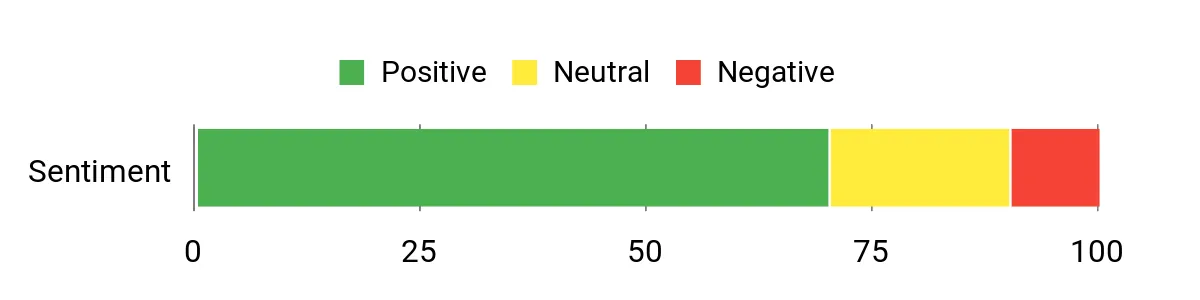
What People Say
Owners frequently point out the ease of plugging in and getting strong charge rates without complex installation. Many like the adjustable current and timer for adapting to available circuits and timing fills to off-peak hours. The solid build and cable quality get consistent praise, and a few specifically mention appreciating not needing an app for basic use.
Overall Sentiment: Positive
Key Benefits
- Portable plug-and-play design for use at home or on the road
- 40A output delivers noticeably faster charging than a standard outlet
- Adjustable current and delay-start timer for safe, scheduled fills without an app
- 25 ft cable and sturdy build make everyday use and storage easier
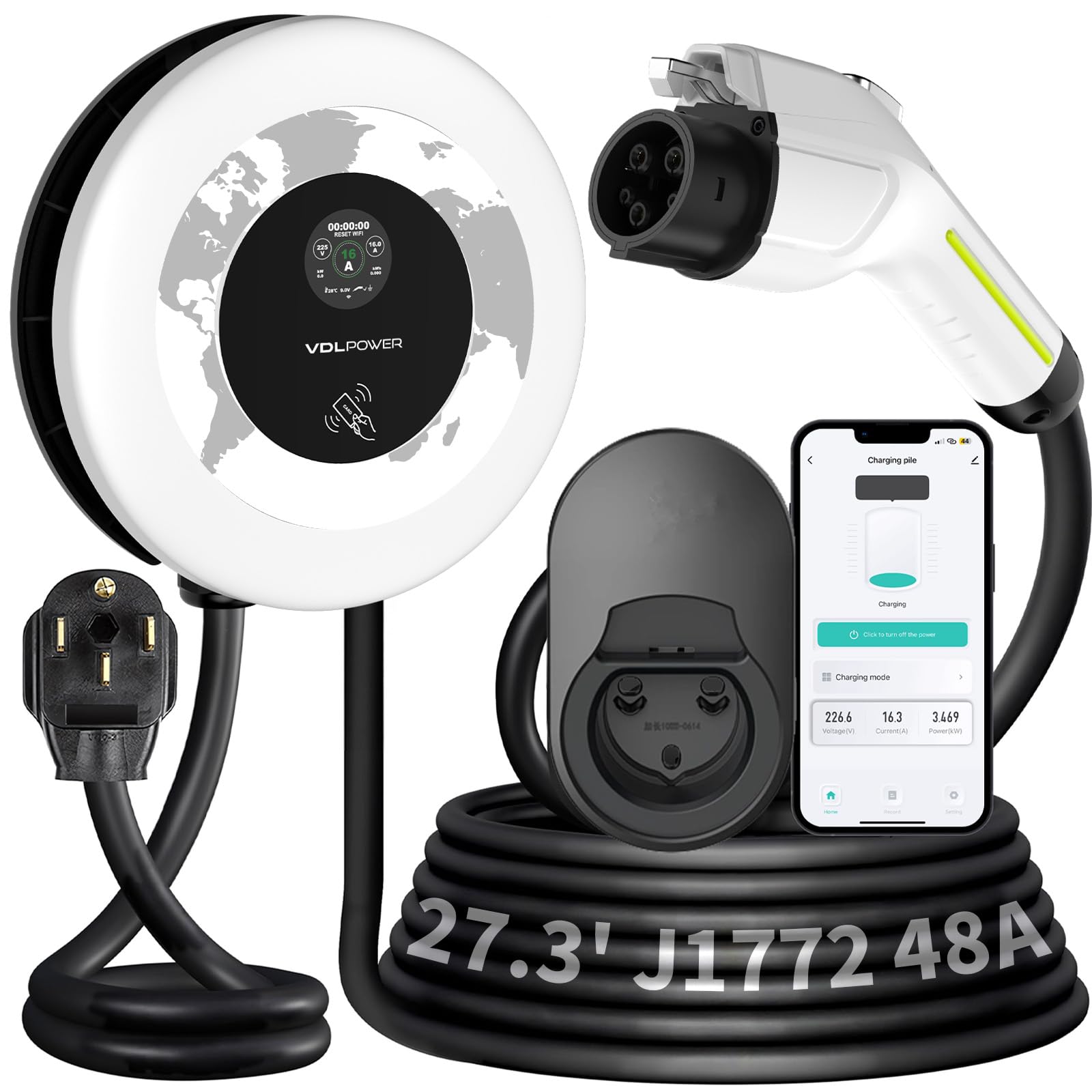
🛠️ Most Affordable 50A Option
VDLPOWERVP 50A
Level 2 11.5kW / 50A home EV charger — 27.3 ft extended cable, J1772 connector, WiFi smart app for scheduling and monitoring.
The VDLPOWERVP earns its spot purely on the 50A output and the unusually long 27.3-foot cable — two specs that stand out at its price point. If your parking situation requires extra cable reach, and you want 50A without paying a premium for a more established brand, this covers the hardware basics. The WiFi app promises scheduling and remote monitoring, though connectivity setup has required extra effort from some buyers.
Be realistic about the trade-offs: neutral customer sentiment and a less-established brand mean you should budget time for setup troubleshooting and confirm your home’s electrical service can support 50A before ordering. For Home Assistant integration, there is no confirmed HA integration path — check community forums before purchasing if that’s important to you.
✅ Pros
- 50A output at an accessible price point
- Extra-long 27.3 ft cable — best cable reach on this list
- WiFi scheduling app included
❌ Cons
- Neutral customer sentiment — setup and connectivity can be inconsistent
- No confirmed Home Assistant integration — verify before purchasing
- Newer/less-established brand compared with ChargePoint, Emporia, Autel
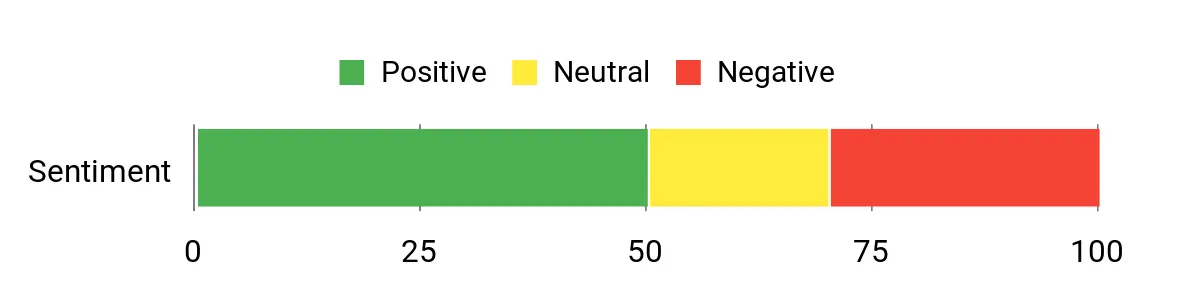
What People Say
People notice the stronger charging capability and the practical extended cable, which solves awkward parking distances. Many find the smart scheduling useful when the app cooperates, but some report that initial setup and connectivity require patience. The overall picture is solid charging hardware with a less polished software experience.
Overall Sentiment: Neutral
Key Benefits
- High 50A output for faster Level 2 charging
- Extra-long 27.3 ft cable for flexible parking positions
- WiFi smart app for scheduling and remote monitoring
- Wall-mounted design keeps the garage tidy
FAQ
Will It Work With Home Assistant?
Most modern chargers can be integrated into Home Assistant, but the level of support varies significantly. Look for chargers with Wi-Fi and either an open API, MQTT support, or a documented HA integration — units with built-in energy monitoring (like the EMPORIA Pro) are typically the easiest to wire into automations. ChargePoint HomeFlex and ChargePoint NACS have established community integrations. The Autel models have growing community support. NexCyber and VDLPOWERVP are newer brands — check the HA community forum for the latest integration status before purchasing. EVDANCE and SEGUMA have no WiFi and cannot be integrated directly.
Which EV Charger Has the Best Home Assistant Integration?
The EMPORIA Pro currently offers the most complete Home Assistant integration story, because it bundles a Vue home energy monitor that feeds real-time circuit-level data into HA. This allows automations that respond to solar production, grid pricing, and whole-home energy load — not just the charger state itself. ChargePoint HomeFlex is a close second for users who prioritize a mature, well-documented HA integration without the bundled energy monitor.
Hardwired or Plug-In?
A hardwired charger gives a tidy, permanent setup and typically supports higher amperage for faster charging, while a plug-and-play unit is portable and avoids immediate electrical work. Choose hardwired if you want a long-term, weatherproof installation and your electrical service can handle it — plan to hire a licensed electrician to confirm panel capacity and install the circuit. Choose plug-in if you need flexibility, plan to move the unit, or want a simpler initial setup that still delivers Level 2 speeds via a NEMA outlet.
Which Connector and Amps Should I Choose?
Pick the connector that matches your car — J1772 is the standard for most EVs while NACS is common on newer Teslas and some other EVs adopting the standard. Higher amps mean faster charging, but are limited by your vehicle’s onboard charger and your home circuit. For moderate daily mileage (under 50–60 miles), 32A–40A often covers your needs. Choose 48A–50A if you want the quickest overnight fills and your electrical service supports it. Always confirm your vehicle’s maximum AC input rating and consult an electrician to size the circuit correctly — the standard rule is to run the charger at no more than 80% of the circuit’s continuous rating.
Can I Use an EV Charger With Solar Through Home Assistant?
Yes. With the right charger and HA setup you can trigger charging when solar production exceeds a set threshold, pause charging when the house draws heavily from the grid, and track how much of your EV charging comes from on-site solar versus the grid. The EMPORIA Pro is best suited for this because its bundled Vue monitor gives HA real-time visibility into your whole home’s energy picture. Other chargers with HA integrations can also participate, but you’ll need a separate energy monitor feeding data into HA.
What Should I Check Before Buying a Home EV Charger?
Before purchasing, confirm: (1) connector compatibility with your vehicle (J1772 or NACS), (2) your vehicle’s maximum onboard AC charger input (usually 7.2kW–11.5kW), (3) your home’s panel capacity and available breaker slots, (4) whether the charger has WiFi or an open API for Home Assistant, (5) safety certifications (UL, ETL, Energy Star), (6) warranty length, and (7) whether you need a licensed electrician for installation — which is required for all hardwired units and strongly recommended for any new circuit installation even for plug-in models.
Are Cheap EV Chargers Safe for Home Use?
Budget chargers can be safe if they carry legitimate third-party safety certifications — look specifically for UL, ETL, or CE marks, and verify those claims on the manufacturer’s documentation rather than taking the listing at face value. Avoid uncertified or unknown-brand units for hardwired installs. Always have a licensed electrician confirm your panel capacity, install the circuit breaker correctly, and verify grounding regardless of which charger you purchase.
Full Comparison Table
| Product Name | Image | Output Voltage | Current Rating | Compatible Devices | Warranty | Get It |
|---|---|---|---|---|---|---|
| ChargePoint HomeFlex J1772 |
|
240V | 50A | J1772 EVs | 3 Years | Check Price on Amazon |
| Tesla Wall Connector |
|
240V | 48A | Tesla (NACS) | Manufacturer Warranty | Check Price on Amazon |
| EVDANCE Portable |
|
120V / 240V | 12A / 16A | J1772 EVs | N/A | Check Price on Amazon |
| EMPORIA Pro |
|
240V | 48A | J1772 EVs | 3 Years | Check Price on Amazon |
| NexCyber 48A |
|
240V | 48A | J1772 EVs | 3 Years | Check Price on Amazon |
| Autel 40A |
|
240V | 40A | J1772 EVs & PHEVs | 3 Years | Check Price on Amazon |
| SEGUMA 40A Portable |
|
240V | 40A | Tesla NACS (Model Y, 3, S, X) | N/A | Check Price on Amazon |
| VDLPOWERVP 50A |
|
240V | 50A | J1772 EVs | 1 Year | Check Price on Amazon |
| ChargePoint NACS |
|
240V | 50A | NACS EVs (Tesla + adapters) | 3 Years | Check Price on Amazon |
Wrapping Up
For Home Assistant users, the biggest differentiator isn’t charging speed — it’s how much energy data and control you can expose to your automations. The EMPORIA Pro is the clear leader here, bundling a home energy monitor that gives HA real-time visibility into your whole electrical picture. If you’re a Tesla owner and want the native ecosystem, the Tesla Wall Connector pairs well with HA via the Tesla Fleet API. The ChargePoint HomeFlex (J1772 or NACS) offers the most mature, plug-and-play community integration experience for non-Tesla EVs.
If you want a smart plug-in option without hardwiring, the NexCyber 48A and Autel 40A are strong contenders — verify their current HA integration status in the community forums before purchasing. The portable options (EVDANCE, SEGUMA) are best treated as backup or travel chargers rather than primary HA-integrated solutions, since neither has WiFi or app connectivity.
Before buying anything: confirm your vehicle’s connector type and onboard charger limit, check your home’s panel capacity with a licensed electrician, and verify any claimed HA integration against the current Home Assistant integrations page. A few hours of upfront research will save you from a mismatched install.
This roundup is reader-supported. When you click through links we may earn a referral commission on qualifying purchases.