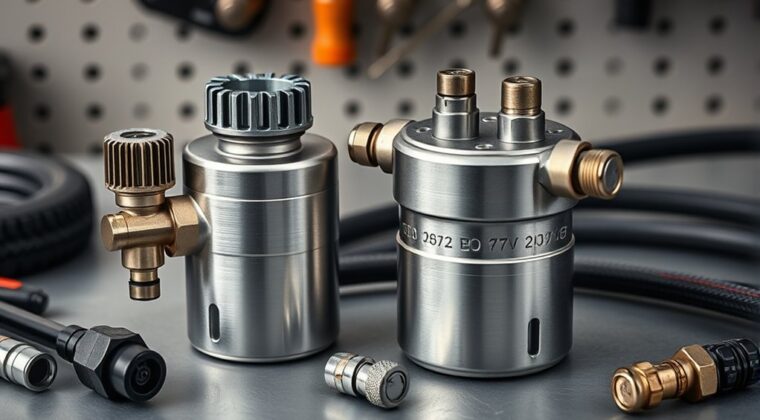
A single-cylinder tire inflator uses one piston, so you get a compact, low-cost tool that’s best for occasional car tire top-offs, but it usually tops out around 100–120 PSI and runs louder. A dual-cylinder inflator uses two compression chambers, so you get faster inflation, higher pressure, smoother operation, and longer service life. If you need speed, durability, or bigger-tire support, the dual-cylinder model is the better choice, and there’s more to compare below.
Key Takeaways
- Single-cylinder inflators are cheaper, lighter, and best for occasional home use and standard car tires.
- Dual-cylinder inflators deliver faster inflation, often up to 50% quicker, making them better for emergencies and larger tires.
- Single-cylinder models usually max out around 100–120 PSI, while dual-cylinder units can reach 150 PSI or more.
- Dual-cylinder inflators run smoother, quieter, and cooler because the workload is split between two cylinders.
- Dual-cylinder inflators cost more upfront, but they usually last longer and suit frequent or heavy-duty use.
What Is a Single-Cylinder Tire Inflator?
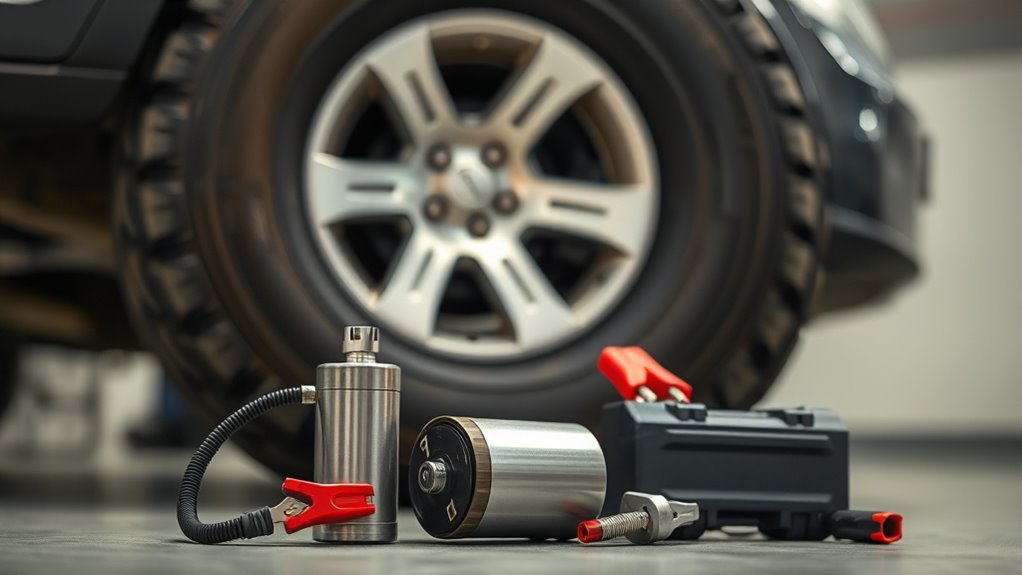
A single-cylinder tire inflator uses one piston to compress air, giving you a simpler, more compact tool for basic inflation tasks. You can use single-cylinder inflators for standard car tires, where a maximum pressure of about 100–120 PSI is usually enough.
This design keeps the unit affordable, so you’re not paying for extra hardware you won’t need if you only inflate occasionally. It also makes the inflator easier to store and carry, which helps you stay mobile and independent.
You should expect more noise and vibration during operation, because one piston does all the work. That extra strain also means the unit can wear faster over time, especially if you use it often.
For basic, occasional inflation, it delivers practical utility without unnecessary complexity.
What Is a Dual-Cylinder Tire Inflator?
Dual-cylinder tire inflators use two air-compression cylinders working at the same time, which boosts inflation speed and overall efficiency. You get fast inflation without pushing the unit as hard, so dual-cylinder inflators handle larger tires and demanding jobs with less strain.
Many models reach 150 PSI or more, giving you the pressure range needed for vehicles, sports gear, and other high-volume inflatables. Because the cylinders share the workload, you reduce wear and tear and extend service life. That means you can rely on the tool longer and keep your setup ready for work or travel.
Most units also include automatic shut-off and real-time pressure monitoring, helping you achieve precise inflation without guesswork. If you want a practical, durable, and versatile inflator that supports your independence, a dual-cylinder design gives you more capability and control.
How a Dual-Cylinder Tire Inflator Works
To see why these inflators work so well, it helps to look at the two-cylinder mechanism inside the unit.
In a dual-cylinder design, both cylinders operate at the same time, so you get continuous air delivery as one cylinder sucks in air while the other compresses it. That alternating action keeps the workload balanced, cuts wear, and helps the motor run more efficiently.
You also benefit from smoother operation with less vibration, which makes the tool quieter and easier to control. Because the system can build higher pressure, often above 150 PSI, you can handle larger tires and tougher jobs without strain.
Many units add automatic shut-off, so the inflator stops when it reaches your target pressure. That gives you precise inflation without constant monitoring, and it lets you work with more confidence and less interruption.
Which Tire Inflator Is Faster?
When speed matters, dual-cylinder tire inflators are the clear winner. You’ll cut inflation time sharply because dual-cylinder air systems move more volume per cycle than single-cylinder tire inflators. In practical terms, that means less waiting and more freedom to get back on the road.
- Dual-cylinder models can reduce inflation time by up to 50%.
- They can reach 150 PSI or more, while single-cylinder units usually top out near 100-120 PSI.
- A tire can go from 0 PSI to 36 PSI in under 4 minutes, while a single-cylinder may need over 10.
If you need fast, efficient, and dependable performance, dual-cylinder inflators deliver it. Their higher output and continuous airflow make them the faster choice for larger tires, emergency top-offs, and any situation where you won’t tolerate delay.
Single-cylinder tire inflators still work, but they can’t match the pace.
Why Dual-Cylinder Inflators Inflate Faster?
You get faster inflation because dual pistons move air at the same time, so one cylinder can draw in while the other compresses.
This shared compression cycle raises CFM output, which pushes more air into the tire each second.
In practice, that higher airflow lets you reach target PSI in less time than a single-cylinder inflator.
Dual Piston Airflow
Dual-cylinder inflators move more air because two pistons work in tandem, creating a near-continuous airflow that cuts inflation time sharply. You get dual cylinder air delivery that matches real inflation needs without waiting.
- One piston draws in air while the other pushes it out, so output stays steady.
- This balanced action helps you reach 150 PSI or more for larger tires and vehicles.
- Shared workload lowers heat and wear, supporting consistent performance over repeated cycles.
In practice, you can inflate a Tesla Model Y tire from 0 to 36 PSI in about 3 minutes 37 seconds, instead of spending 10 minutes or more.
That speed gives you control, saves energy, and lets you move on fast.
Shared Compression Cycle
Because two cylinders share the compression cycle, air moves almost continuously: one cylinder draws in while the other compresses and pushes air out, so the inflator spends less time idle and more time delivering airflow.
You get faster inflation because the dual-cylinder design keeps pressure moving through the system with fewer pauses. That shared workload also lowers stress on each part, which helps the unit stay reliable under repeated tire pressure jobs.
As heat stays in check, you can run the inflator longer without losing performance. In practical use, this setup gives you steadier output and a cleaner path to full tires, especially when you need efficient, on-demand air for larger vehicles or tough conditions.
Higher CFM Output
Higher CFM output is one of the main reasons dual-cylinder inflators fill tires faster, since two pistons work at the same time to move more air per minute than a single-cylinder design. You get stronger airflow, lower heat buildup, and steadier pressure delivery.
- More air per minute means you reach target PSI sooner.
- Shared load keeps performance consistent under demanding conditions.
- High-pressure capability, often 150 PSI or more, supports larger tires and multiple inflatables.
With dual-cylinder inflators, higher cfm output can cut inflation time by up to 50%, so you spend less time waiting and more time moving freely.
That efficiency gives you faster inflation times without sacrificing control or reliability.
Which Tire Inflator Lasts Longer?
You’ll usually get longer service life from a dual-cylinder tire inflator because it splits the workload between two cylinders.
That lower load reduces wear on the piston and cuts heat buildup, which helps the unit hold performance over time.
A single-cylinder model works harder every cycle, so it’s more likely to show faster wear and earlier breakdown with frequent use.
Durability Comparison
When durability is the priority, dual-cylinder tire inflators usually last longer because they split the workload across two pistons, reducing stress and wear on any single component.
You get steadier performance, and the unit keeps working within efficient pressure ranges, often reaching 150 PSI or more. That gives you practical freedom for repeated inflation jobs without sacrificing output.
In contrast, single-cylinder models push one piston harder, so they can lose performance sooner and often top out around 100-120 PSI.
- Dual-cylinder: higher durability
- Single-cylinder: faster decline
- Best choice: frequent use
If you want a tool that stays reliable under demanding use, choose the dual-cylinder design. It’s the stronger long-term investment.
Wear And Tear
Wear and tear usually build up faster in single-cylinder inflators because one piston absorbs all the workload, creating more heat, strain, and long-term component stress. You’ll notice performance drop sooner if you use it often, especially during repeated inflation cycles. A dual-cylinder design spreads load across two cylinders, reducing wear and tear and extending service life.
| Inflator Type | Wear Pattern |
|---|---|
| Single-cylinder | Higher stress, faster decline |
| Dual-cylinder | Lower heat, steadier performance |
For demanding use, the dual-cylinder model gives you more resilience and fewer breakdowns. You keep control, reduce maintenance pressure, and get longer operational life. If you want reliability without compromise, choose the design that handles the grind with less strain.
Which Inflator Is Quieter?
Which inflator is quieter? You’ll usually find that a dual-cylinder unit runs with lower noise levels because its balanced layout cuts vibration at the source.
A single-cylinder model, by contrast, concentrates motion in one piston, so you hear more mechanical chatter and harsher output. If you work in a garage, roadside stop, or shared space, that difference matters.
- single-cylinder: higher vibration, louder operation.
- dual-cylinder: steadier motion, reduced noise.
- Best fit: choose quieter dual-cylinder inflators when you want less disruption.
In practical terms, the quieter design helps you keep focus and maintain a calmer environment while you inflate tires.
That makes dual-cylinder inflators the stronger choice when noise control isn’t optional. If you value freedom from unnecessary disruption, pick the system that works with you, not against you.
Which Tire Inflator Costs Less?
If you’re comparing upfront price, a single-cylinder tire inflator usually costs less because its simpler design keeps manufacturing expenses down.
You’ll typically pay about $20 to $50 for a single-cylinder model, while dual-cylinder units often run from $50 to $150.
Over time, a dual-cylinder inflator can justify its higher cost with faster inflation and longer service life, especially if you use it often.
Upfront Price Differences
Single-cylinder tire inflators usually cost less upfront, with most models priced around $20 to $50, so they’re a practical choice if you need basic inflation on a budget.
That gap defines the key upfront price differences between single-cylinder inflators and dual-cylinder inflators. You’ll usually see dual-cylinder inflators priced from $60 to $150 because their design is more complex and their output is higher.
- Lower entry cost
- Simpler construction
- Better fit for occasional use
If you want freedom from overspending, single-cylinder inflators keep your initial investment lean.
Choose dual-cylinder inflators only when your workload demands stronger performance and you can justify the higher purchase price.
Long-Term Ownership Costs
Upfront price only tells part of the story; long-term ownership costs depend on durability, repair frequency, and how efficiently the inflator fits your workload.
You’ll usually pay less at checkout for single-cylinder units, but wear can push you into earlier replacements and more service calls. That raises your long-term costs.
Dual-cylinder inflators cost more initially, yet their durability often extends service life and cuts downtime. If you inflate frequently, their faster output can reduce repeated sessions, saving time and energy.
For trucks, SUVs, and other high-demand setups, dual-cylinder inflators with up to 150 PSI justify the investment.
If you want dependable performance and fewer compromises, you should weigh total ownership, not just the sticker price.
Best Use Cases for Each Inflator Type
For occasional household use, a single-cylinder inflator is usually the practical choice because it’s compact, lightweight, and efficient for standard car tires, though it may fall short on larger tires or higher-pressure jobs.
If you value mobility, this tire inflator lets you act fast without hauling excess bulk.
Use a dual-cylinder model when you need speed, volume, and control under pressure. It cuts inflation time by up to 50%, which matters in roadside emergencies and commercial work.
- Single-cylinder: best for home garages, daily car upkeep, and light-duty portability.
- Dual-cylinder: best for off-road rigs, fleet service, and rapid inflation of larger tires.
- Dual-cylinder: also suits surfboards, sports gear, and other high-air-volume tasks where airflow freedom matters.
You can match the tool to the job and keep your setup lean, efficient, and ready for action.
How to Choose the Right Tire Inflator
What should guide your choice is the way you’ll use the inflator: prioritize inflation speed, maximum pressure, and frequency of use before anything else.
If you need rapid service for trucks, SUVs, or roadside emergencies, choose a dual-cylinder air pump; it can deliver inflation speed up to 50% faster than a single-cylinder unit.
Check the pressure rating next: dual-cylinder models often reach 150 PSI or more, while single-cylinder inflators usually stop around 100-120 PSI.
If you inflate tires often, or handle larger items regularly, the tougher, more efficient dual-cylinder design pays off over time.
If you value portability for occasional household use or small vehicles, a compact single-cylinder model may suit you better.
Also look for auto shut-off and digital displays, since they improve accuracy and reduce guesswork.
Pick the tool that matches your load, not someone else’s routine.
Frequently Asked Questions
What Is Better, a 2 Stage or a Single Stage Air Compressor?
A 2 stage air compressor is better if you need stronger output, better efficiency, and longer life.
In your performance comparison, it’ll reach higher pressure faster and handle heavy use more consistently.
Your efficiency analysis also improves because it cools better and wears less.
For application suitability, choose single stage for light, occasional tasks; choose 2 stage for demanding, frequent inflation, where you need dependable freedom from downtime.
Which Dual Power Tire Inflator Is the Best?
You’ll get the best dual power tire inflator from the Kohree Dual-Cylinder model, a lightning bolt for your tires.
It pairs portable options with battery and cigarette-lighter power sources, so you’re free from dead zones. Its 58 LPM inflation speed cuts wait time fast, and the auto shut-off plus LCD screen keep pressure exact.
If you need higher max pressure, choose the KIZINNO T5; it reaches 150 PSI.
What Are the Key Differences Between a 2-Cylinder and a 1-Cylinder Air Compressor?
A 2-cylinder air compressor gives you more Dual cylinder power, higher pressure, and faster Inflation speed comparison than a 1-cylinder unit.
You get better Single cylinder efficiency from the simpler model, but it usually runs slower, hits lower PSI, and wears harder.
If you want compact, affordable inflation for light jobs, choose one cylinder.
If you need quicker, longer-lasting performance for larger tires, choose two cylinders and move freer.
What Are the Disadvantages of a Single-Stage Air Compressor?
You’d notice, almost by coincidence, that a single-stage air compressor can seem efficient at first, then quickly fall short under heavier demand.
Its Single stage efficiency drops on larger jobs, and Maintenance challenges increase because the unit works harder and wears faster.
You’ll also deal with higher Noise levels, which can disrupt quiet spaces.
For steady, demanding use, you’ll want more capacity, less strain, and better endurance.
Conclusion
If you want faster top-offs, a dual-cylinder inflator is the clear pick. Its two-cylinder design can move nearly twice the air, which is why many models cut inflation time by 30% to 50% compared with single-cylinder units. If you only need occasional use, a single-cylinder inflator saves money and usually runs quieter. Match the inflator to your tire size, frequency of use, and speed needs so you don’t overbuy or underperform.