What’s in This Article
- What Does an EV Charger Warranty Usually Cover?
- When Does an Extended EV Charger Warranty Make Sense?
- What Hypercharge Warranty Plans Currently List
- Which Parts Do EV Charger Warranties Cover?
- Which Support Services Can a Charger Warranty Include?
- Common Exclusions in EV Charger Warranties
- How to Compare EV Charger Warranty Options
- How to Make an EV Charger Warranty Claim
- What to Expect From EV Charger Warranties
- Frequently Asked Questions
An EV charger warranty can save you from repair costs, but only if you understand its limits before something fails.
Coverage can change by brand, model, country, seller, installation method, and whether you use the charger at home or for business. This guide explains what EV charger warranties usually cover, what they often exclude, and how you can compare plans before you buy.
Quick Answer
Most EV charger warranties cover defects in the charging unit, internal electronics, and approved hardware for a set term. Many home charger warranties run about 3 to 4 years, while some commercial or extended plans can last up to 5 years. You should check the warranty term, labor coverage, installation rules, exclusions, and claim process before you rely on any plan.
Key Takeaways
- Check the exact warranty term for your charger model, not just the brand name.
- Confirm whether the warranty covers parts only or parts, labor, and on-site repair.
- Keep your proof of purchase, installation records, and service notes in one place.
- Avoid unauthorized repairs or non-approved parts, since they can affect coverage.
- Compare home and commercial warranty terms separately because they often differ.
What Does an EV Charger Warranty Usually Cover?
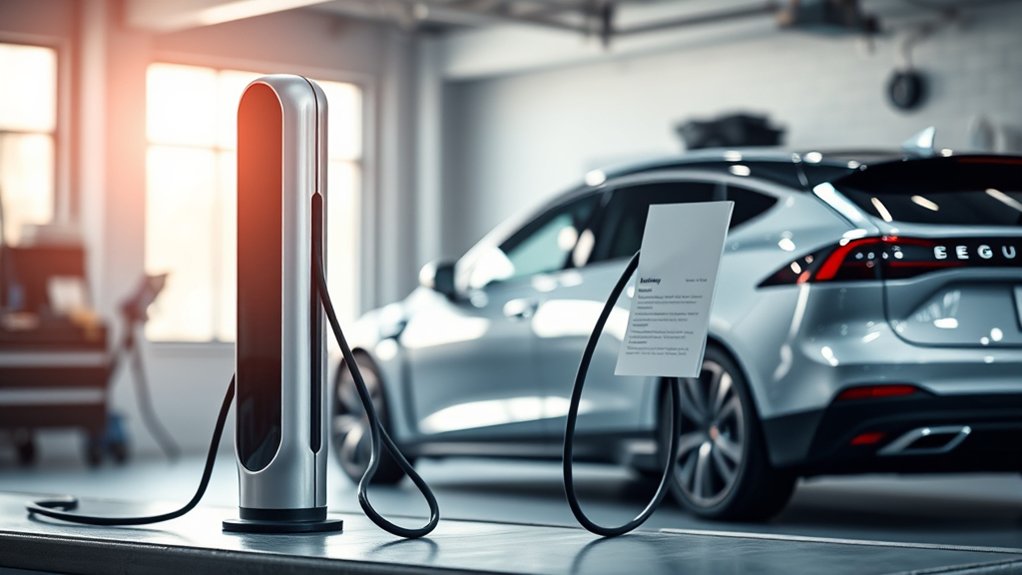
An EV charger warranty usually covers defects in materials or workmanship under normal use. That often includes the charger body, internal electronics, and approved connectors or accessories included with the unit.
Coverage terms vary. For example, Hypercharge currently lists a 2-year included manufacturer’s warranty for certain Level 2 stations and 5-year extended or comprehensive options. Tesla lists 48 months for Wall Connector residential use and 12 months for commercial use.
Other home charger brands often use 3-year terms. Wallbox lists a 3-year warranty for Pulsar Pro, Pulsar Plus, and Quasar 2, while Emporia lists 3 years for Smart Home EV Chargers installed in North America according to its installation guide.
When Does an Extended EV Charger Warranty Make Sense?
An extended warranty makes the most sense when downtime would cost you money, frustrate drivers, or create service issues for tenants, guests, or employees. It can also help when your charger sits outdoors, gets frequent use, or supports more than one driver.
Extended plans may add more years of coverage, remote support, station monitoring, labor coverage, or access to on-site repairs. Read the plan terms closely because “extended warranty” does not always mean full coverage for every repair.
Enhanced Investment Protection
A longer warranty can reduce the chance that one failed part turns into a surprise expense. This matters most for commercial sites, multi-family buildings, workplaces, and public-facing chargers.
For a single home charger, compare the price of the extended plan with the charger’s replacement cost. You may not need extra coverage if the standard warranty already matches your expected use.
Longer Coverage Duration
Some warranties extend only the parts coverage. Others add labor, dispatch, or monitoring services.
Before you buy, ask whether the longer term starts on the purchase date, delivery date, activation date, or installation date. That detail can change how much useful coverage you actually receive.
Repair Support and Downtime
Repair support matters as much as warranty length. A plan that covers parts but not labor may still leave you paying for diagnosis, removal, shipping, or reinstallation.
For shared or business chargers, look for clear service terms. These can include response time, remote troubleshooting, technician dispatch, replacement parts, and uptime commitments.
What Hypercharge Warranty Plans Currently List
Hypercharge’s current warranty page lists three coverage levels for certain Level 2 stations: an included manufacturer’s warranty, an extended warranty, and a comprehensive warranty. The page states that extended and comprehensive plans run 5 years from the date of delivery.
The current page also lists a 95% annual station uptime guarantee for eligible plans. That updates older Hypercharge material that referred to a 98% annual uptime figure.
Key Features Listed
The current Hypercharge warranty page lists benefits such as premium hardware parts, dispatch services, priority on-site repairs, Proactev™ station monitoring, remote troubleshooting, and phone support, depending on the plan.
| Feature | What to Check | Why It Matters |
|---|---|---|
| Warranty term | Start date and end date | Shows how long coverage lasts |
| Parts coverage | Covered hardware and exclusions | Limits surprise repair costs |
| On-site support | Dispatch rules and response terms | Reduces charger downtime |
| Uptime guarantee | Percentage and conditions | Helps business sites plan service levels |
Extended Coverage Options
Extended coverage can work well when you want protection beyond the included manufacturer’s warranty. It can also help when your site depends on the charger for revenue, tenant service, or workplace charging.
Always read the warranty policy before you decide. Summary pages can help you compare plans, but the written policy controls coverage, limits, and claim rules.
Which Parts Do EV Charger Warranties Cover?
Most EV charger warranties focus on hardware defects. Covered parts may include the charger enclosure, internal control board, charging cable, plug, connector, display, or included mounting hardware.
Coverage depends on the brand and model. Some warranties exclude labor, removal, shipping, or reinstallation, even when they cover a defective part.
Most EV charger warranties protect you from manufacturer defects, not every problem that can happen during daily use.
You should also check whether accessories carry the same term as the charger. Adapters, mobile connectors, meters, cables, and plugs may follow different coverage rules.
Which Support Services Can a Charger Warranty Include?
Warranty support can include phone support, remote troubleshooting, monitoring, replacement parts, technician dispatch, or on-site repair. A basic warranty may only cover replacement parts, while a premium service plan may cover more of the repair process.
Business and shared charging sites should pay close attention to response terms. A strong support plan can help keep chargers available for drivers and reduce complaints.
- Remote troubleshooting: Support teams may help diagnose software, network, or hardware issues before sending a technician.
- Station monitoring: Networked chargers may alert the provider when a charger goes offline or reports a fault.
- On-site repair: Some commercial plans include technician dispatch, parts, and labor under defined conditions.
Ask the provider who pays for shipping, labor, travel, removal, and reinstallation. These costs can matter more than the replacement part itself.
Common Exclusions in EV Charger Warranties
EV charger warranties often exclude damage caused by misuse, neglect, improper installation, unauthorized repair, non-approved parts, accidents, or external electrical faults. They may also exclude cosmetic damage, normal wear, water damage, fire, lightning, flooding, or other environmental events.
Warning: Unauthorized repairs or poor installation can reduce or void warranty coverage, even when the charger fails during the warranty term.
Installation rules matter. Emporia, for example, limits EV charger warranty coverage to North American installations completed according to its installation guide.
Keep your charger manual, purchase receipt, installer invoice, and inspection records. These documents can help you show that you used and installed the charger properly.
How to Compare EV Charger Warranty Options
Start with the written warranty, not the product page headline. Product pages often summarize coverage, while the warranty policy explains the real limits.
Use the same checklist for each brand so you can compare plans fairly.
| Warranty Factor | Question to Ask | Best Sign |
|---|---|---|
| Term | How long does coverage last? | Clear start and end dates |
| Use type | Does home or commercial use change coverage? | Separate terms for each use |
| Parts | Which components qualify? | Specific covered parts list |
| Labor | Who pays for repair work? | Written labor coverage |
| Claim process | What proof does the provider require? | Simple documented steps |
Warranty Type Comparison
A standard warranty usually protects you from manufacturing defects for a set period. It may be enough for a home charger that gets normal daily use.
An extended warranty adds time. A comprehensive plan may add services such as monitoring, dispatch, labor, and support.
Coverage Duration Options
Do not assume one brand uses the same term for every charger. Tesla lists different terms for residential and commercial Wall Connector use, and other brands may vary by product line or region.
Ask whether the plan transfers if you sell the property or charger. Some warranties apply only to the original purchaser.
Key Features Assessment
Focus on the features that affect your real risk. A business site may value uptime and on-site repair, while a homeowner may care more about parts replacement and simple support.
You should also ask how the provider handles discontinued products. This matters for connected chargers that rely on apps, networks, or cloud services.
How to Make an EV Charger Warranty Claim
Start your warranty claim by contacting the manufacturer, seller, or service provider listed in your warranty documents. Provide the serial number, proof of purchase, installation records, and a clear description of the problem.
Photos, error codes, app screenshots, and videos can help support your claim. Support teams may ask you to complete basic troubleshooting before they approve repair or replacement.
- Gather your documents: Save the receipt, serial number, model name, installation invoice, and warranty policy.
- Document the fault: Take clear photos or screenshots that show the issue.
- Contact the right support channel: Use the warranty provider listed in your documents.
- Follow troubleshooting steps: Complete only the steps the provider or manual recommends.
- Keep claim records: Save case numbers, emails, photos, and repair notes.
Avoid opening the charger or attempting electrical repairs unless the provider or a qualified professional tells you to do so. Unauthorized work can create safety risks and hurt your claim.
What to Expect From EV Charger Warranties
You should expect an EV charger warranty to cover defects, not every failure or cost. The strongest plans explain the term, covered parts, labor rules, support process, exclusions, and claim steps in plain language.
Current public warranty examples show how much terms can differ. Hypercharge lists 5-year extended and comprehensive options for certain stations. Tesla lists 48 months for residential Wall Connector use and 12 months for commercial use. Wallbox and Emporia list 3-year terms for certain home chargers.
| Coverage Type | Common Use | What to Check |
|---|---|---|
| Standard warranty | Home or light-use chargers | Parts, term, and installation rules |
| Extended warranty | Longer ownership protection | Added years and excluded costs |
| Comprehensive service plan | Commercial or shared charging sites | Monitoring, labor, dispatch, and uptime terms |
Connected charger support can also change when companies restructure or leave a market. JuiceBox owners in North America faced support changes after Enel X Way USA closed on October 11, 2024, and VoltiE Group later became involved in support continuity.
Frequently Asked Questions
What does an EV charger warranty cover?
An EV charger warranty usually covers defects in materials or workmanship under normal use. Depending on the provider, it may cover the charging unit, internal electronics, cable, connector, or included accessories.
Is a home EV charger covered under warranty?
Most new home EV chargers include a limited warranty, but the term varies by brand and model. Check whether the warranty covers parts only or also covers labor, shipping, and reinstallation.
What does an EV charger warranty not cover?
Common exclusions include misuse, improper installation, unauthorized repairs, non-approved parts, normal wear, cosmetic damage, and environmental events. Read the exclusions before you buy so you know which costs may fall on you.
Which EV chargers have longer warranty coverage?
Some commercial or extended EV charger plans offer longer protection than basic home charger warranties. Hypercharge currently lists 5-year extended and comprehensive options for certain stations, while many home charger warranties list about 3 to 4 years.
Do warranty terms change for commercial use?
Yes. Some brands use different warranty terms for home and commercial use. Tesla, for example, lists 48 months for residential Wall Connector use and 12 months for commercial use.
Conclusion
The best EV charger warranty is the one that matches how you actually use the charger. Check the warranty term, covered parts, labor rules, exclusions, and claim process before you buy.
For home use, a clear parts warranty and simple claim process may be enough. For commercial or shared charging, prioritize monitoring, uptime terms, on-site support, and labor coverage.
Save your documents now, and you’ll have a much easier claim if your charger ever needs service.
References
- EV Charger Warranty — Hypercharge, accessed 2026
- Warranty Information — Tesla, accessed 2026
- Warranty Policy — ChargePoint, accessed 2026
- What is the warranty and return process? — Wallbox Help Center, 2025
- Emporia Warranty Information — Emporia, accessed 2026
- JuiceBox North America Updates — JuiceBox North America, 2024