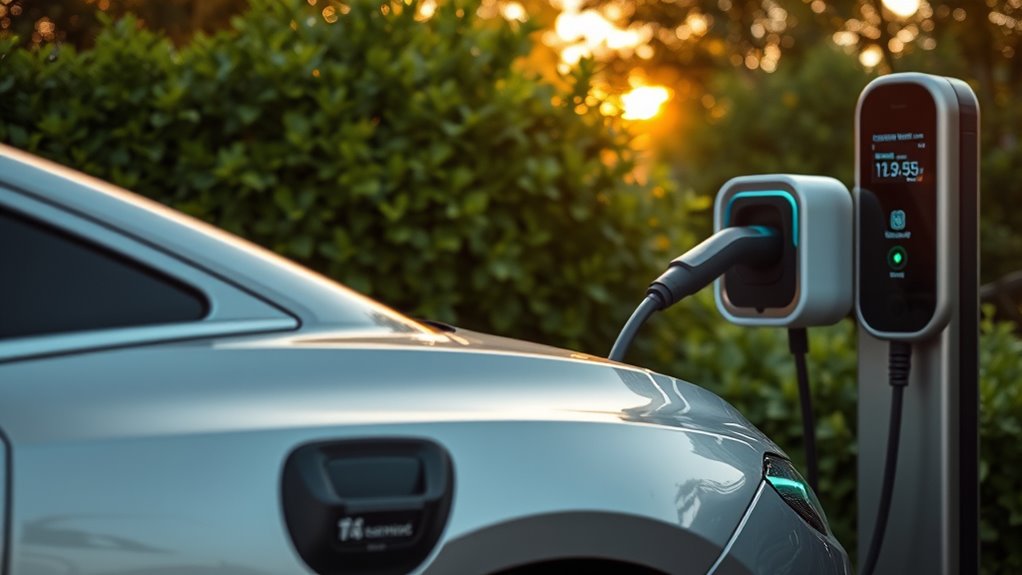
Level 2 EV charging is the everyday fast-charging option most electric vehicle owners consider for home, work, and longer parking stops. It uses 240-volt power at most homes, or 208-volt power at many commercial sites, to charge much faster than a regular household outlet. The right setup depends on your vehicle, connector type, electrical panel, parking location, and local utility rules.
Quick Answer
Level 2 EV charging uses 240V residential power or 208V commercial power to add roughly 10 to 45 miles of range per hour for many EVs. Higher-output units can charge faster when the vehicle can accept the power. Most installations need a dedicated circuit, proper permitting, and a licensed electrician.
Key Takeaways
- Level 2 charging is the best daily charging choice for many EV owners because it can refill most batteries overnight.
- Charging speed depends on charger output, circuit size, vehicle efficiency, battery state of charge, and the EV’s onboard AC charger limit.
- J1772 is still common for AC Level 2 charging, while J3400/NACS is becoming more common in North America.
- A safe home setup usually requires a dedicated circuit, correct breaker sizing, code-compliant installation, and outdoor-rated equipment if mounted outside.
- Federal, state, local, and utility incentives change often, so check current rules before buying or installing equipment.
At a Glance
| Time Required | Often 4 to 10 hours for a large daily refill; exact time depends on battery size, charger output, and vehicle limits. |
| Difficulty | Moderate to advanced. Choosing a charger is simple, but electrical installation should be handled by a qualified electrician. |
| Tools Needed | Vehicle manual, charger manual, electrical panel information, parking measurements, permit requirements, and a licensed electrician for installation. |
| Cost | Commonly several hundred dollars for the EVSE plus installation. Total cost varies widely by panel capacity, distance from the panel, conduit, permits, and charger amperage. |
What Is Level 2 EV Charging?
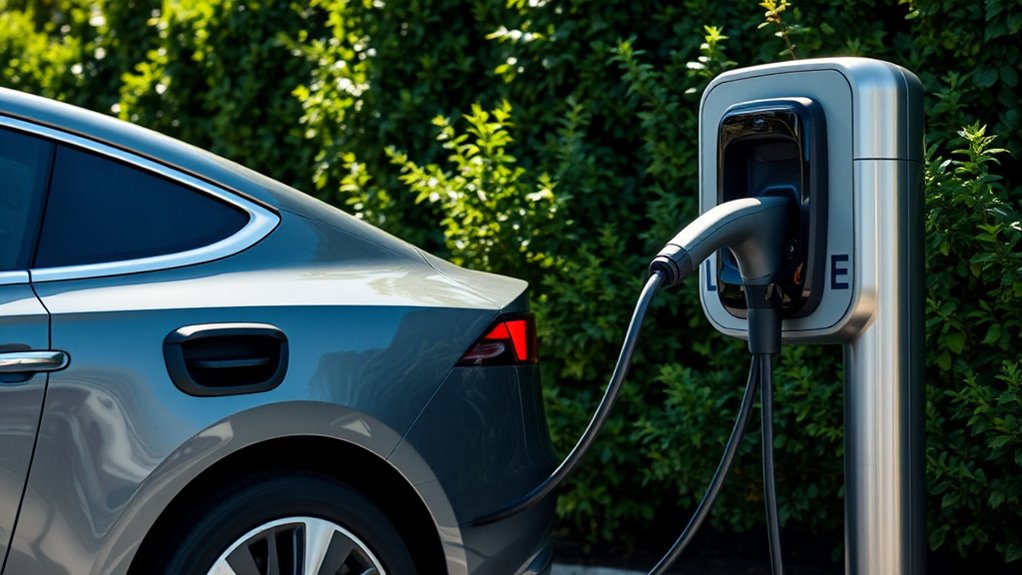
Level 2 EV charging uses AC power at a higher voltage than a standard Level 1 household outlet. In most homes, that means 240 volts. In many commercial buildings, it may be 208 volts. That higher power lets your EV add useful range during a workday, shopping stop, or overnight parking session.
Level 2 equipment is often called a charger, but the more technical name is EVSE, or electric vehicle supply equipment. The EVSE safely delivers AC power to the car. The vehicle’s onboard charger then converts that AC power into DC power for the battery.
For many drivers, Level 2 charging is the sweet spot: much faster than a regular outlet, less stressful on trip planning, and practical for daily charging at home.
Level 2 charging matters because most EVs spend long periods parked. Instead of waiting for a near-empty battery, you can plug in when you get home and start the next day with the charge level you need.
Charging Speed: How Much Range Will You Get?
Level 2 charging speed depends on four things: the EVSE output, the circuit size, the vehicle’s onboard AC charging limit, and how efficient your EV is. A small, efficient EV may gain more miles per hour than a large electric truck using the same charger.
The U.S. Department of Energy’s Alternative Fuels Data Center lists Level 2 equipment at about 2.9 kW to 19.2 kW, with a general estimate of about 25 miles of range per hour. In real home use, many drivers see roughly 10 to 45 miles of range per hour, while higher-output setups may do better when the vehicle supports them.
| Common EVSE Output | Typical Circuit | What It Often Means |
|---|---|---|
| 16A / about 3.8 kW | 20A circuit | Good for plug-in hybrids, short commutes, and panels with limited spare capacity. |
| 24A / about 5.8 kW | 30A circuit | A balanced option when you need more speed but cannot support a larger circuit. |
| 32A / about 7.7 kW | 40A circuit | A common home setup that can refill many EVs overnight. |
| 40A / about 9.6 kW | 50A circuit | Faster home charging when the panel and vehicle can support it. |
| 48A / about 11.5 kW | 60A circuit | Often hardwired and useful for larger batteries or heavier daily driving. |
Note: A bigger EVSE does not always mean faster charging. If your EV’s onboard AC charger accepts only 7.2 kW, a 11.5 kW wall unit will still charge that vehicle at about 7.2 kW.
How Does Level 2 Charging Actually Work?
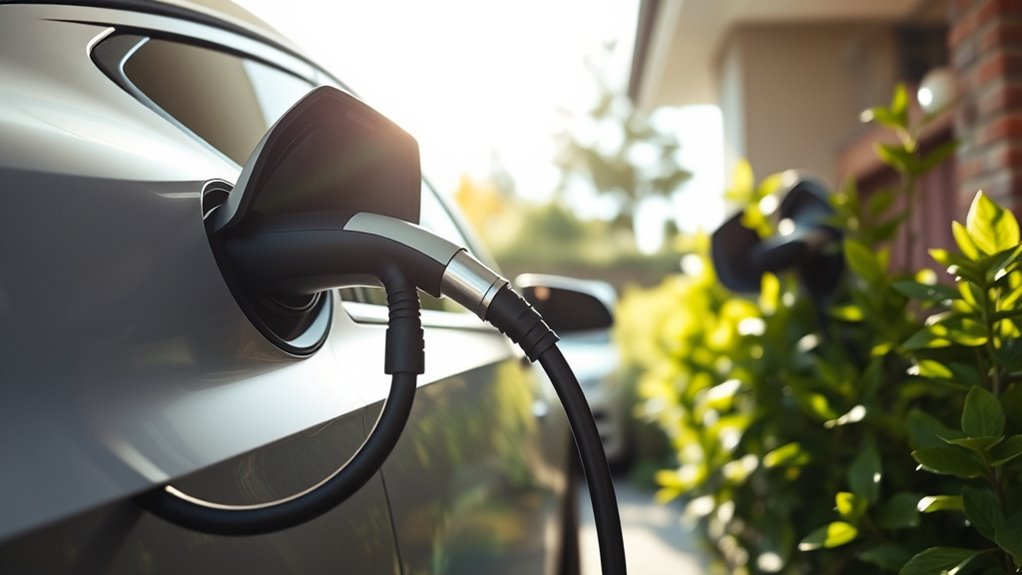
When you plug into Level 2 equipment, the EVSE and vehicle communicate before power flows. The equipment checks that the connector is seated, the circuit is safe, and the vehicle is ready to charge. Then the vehicle draws AC power up to the limit allowed by the EVSE, the circuit, and the car’s onboard charger.
Level 2 vs. Level 1 vs. DC Fast Charging
| Charging Type | Power Source | Best Use |
|---|---|---|
| Level 1 | 120V household outlet | Short commutes, plug-in hybrids, backup charging, and very low daily mileage. |
| Level 2 | 240V home or 208V commercial AC power | Daily home charging, workplace charging, apartments, hotels, and destination charging. |
| DC fast charging | High-power commercial DC equipment | Road trips and quick top-ups, not typical home installation. |
Why Charging Speed Varies
Your Level 2 charging speed can drop or change because of battery temperature, state of charge, vehicle software, shared electrical load, utility demand controls, and the maximum AC charging rate built into the EV. This is normal. The best way to estimate your real charging time is to check your vehicle manual for its maximum AC charging rate, then compare it with the EVSE output.
Types of Level 2 Chargers: Tethered vs. Untethered
When choosing Level 2 equipment, you may see tethered and untethered designs. A tethered charger has the charging cable permanently attached. This is common in North America because it is simple: park, grab the cable, plug in, and charge.
An untethered charger has a socket but no fixed cable. You provide the cable separately. This setup is more common in some markets outside North America, but it can be useful where cable flexibility matters.
| Type | Pros | Cons |
|---|---|---|
| Tethered | Fast daily use, no separate cable to manage, common for homes. | Cable length and connector type are fixed. |
| Untethered | Cable can be replaced or changed more easily. | Less convenient for daily use and may require buying a separate cable. |
How to Choose the Best Connector for Your Electric Vehicle
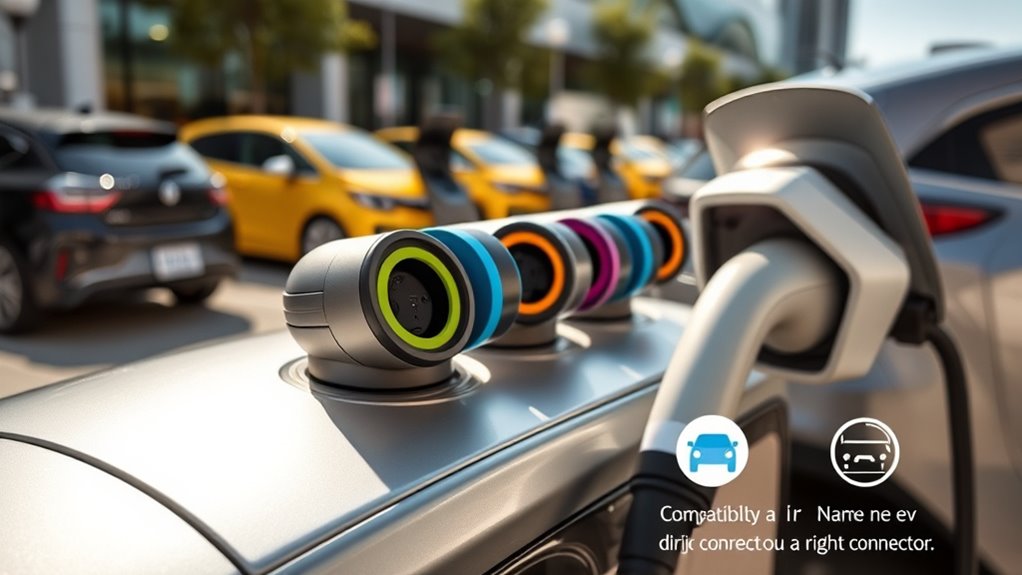
Connector choice is one of the biggest changes in EV charging. For many years, most non-Tesla EVs in North America used the J1772 connector for AC Level 1 and Level 2 charging. Tesla vehicles used the Tesla connector, now standardized as SAE J3400, also known as NACS.
In 2026, many drivers are in a transition period. Some EVs use J1772 for home and public AC charging. Tesla and some newer or upcoming North American models use J3400/NACS. Many vehicles can use adapters, but you should always confirm adapter compatibility with your vehicle manufacturer before relying on one.
Connector Checklist Before You Buy
- Check your vehicle’s charge port: J1772, J3400/NACS, or another connector.
- Check whether your vehicle includes an adapter and what charging level it supports.
- Choose a cable long enough to reach your charge port in normal parking positions.
- If you may change vehicles soon, consider whether a charger with swappable cable options or broad adapter support makes sense.
- For public charging, use apps or station filters to confirm connector type before you arrive.
Pro Tip: Do not choose a home charger by connector alone. Match the connector, amperage, cord length, outdoor rating, warranty, app features, and electrical panel capacity.
Installation: Where and How to Set Up Your Charger
A Level 2 charger works best when it is placed near the vehicle’s charge port, close enough for the cable to reach without stretching, and in a location that keeps the cord away from walkways, garage doors, snow piles, and tire paths.
Warning: Level 2 EV charging is a continuous high-load electrical installation. Do not guess on breaker size, wire size, outlet type, or grounding. Use a licensed electrician, follow local code, and get permits where required.
Choosing the Right Location
| Location Type | Best For | What to Check |
|---|---|---|
| Garage | Daily home charging and weather protection. | Panel distance, cable reach, ventilation, wall space, and cord storage. |
| Driveway or carport | Homes without garage parking. | Outdoor rating, mounting height, weather exposure, snow, drainage, and security. |
| Workplace | Charging during long parking periods. | Access rules, payment, cable management, networking, and shared charging etiquette. |
| Apartment or condo | Drivers without a private garage. | HOA rules, assigned parking, metering, permits, load sharing, and billing. |
Installation Requirements and Tips
Before buying a Level 2 charger, ask an electrician to check your panel capacity, available breaker space, service size, grounding, distance from the panel, and whether a load management device is needed. This step matters because a charger that looks affordable online can become expensive if the home needs a panel upgrade or a long conduit run.
- Dedicated circuit: Most Level 2 installations need a dedicated 240V circuit.
- Correct circuit sizing: EV charging is a continuous load, so circuit sizing must match the EVSE output and local code.
- Permits: Many areas require an electrical permit and inspection.
- Plug-in vs. hardwired: Plug-in units can be easier to remove, while hardwired units are often preferred or required for higher amperage and outdoor use.
- Safety listing: Choose equipment certified by a recognized testing laboratory and check for ENERGY STAR certified EV chargers if efficiency and standby power matter.
- Cable length: Measure your parking space before choosing a unit. A short cable can make daily charging frustrating.
Plug-In vs. Hardwired Level 2 Chargers
A plug-in Level 2 charger connects to a 240V receptacle, such as a NEMA 14-50, depending on the unit. A hardwired charger is connected directly to the electrical circuit. Both can work well, but they are not interchangeable in every situation.
| Setup | Best For | Important Caveat |
|---|---|---|
| Plug-in | Renters with permission, portable use, and lower to mid-power home setups. | The receptacle must be high quality, correctly installed, and matched to the charger and circuit. |
| Hardwired | Higher-output chargers, outdoor mounting, cleaner installation, and long-term home use. | Less portable and should be installed or removed by a qualified electrician. |
Smart Charging and Electricity Costs
A smart Level 2 charger can schedule charging, track energy use, limit charging current, and work with some utility programs. This can be useful if your utility offers time-of-use rates, demand response rewards, or special EV charging plans.
To reduce charging costs, check your utility’s off-peak hours and set the vehicle or charger to start charging during the cheaper window. Many EVs can schedule charging from the car’s infotainment system or mobile app, even if the wall unit itself is not smart.
Incentives for Level 2 EV Charging Installations
EV charger incentives can come from federal tax credits, state programs, local governments, utilities, automakers, or charging networks. The rules change often, and many programs depend on your address, income, utility, charger model, installation date, and whether the equipment is installed at a home or business.
For the federal Alternative Fuel Vehicle Refueling Property Credit, the IRS states that qualifying individual property placed in service at a main home from January 1, 2023, to June 30, 2026, may qualify for 30% of the cost up to a maximum credit of $1,000 per item. It also states that the property must be in an eligible location, such as a qualifying low-income or non-urban census tract.
Note: As of July 9, 2026, the federal credit deadline listed by the IRS has passed for new property placed in service after June 30, 2026. If your installation was completed by that date, check IRS Form 8911 rules and current guidance before filing. For new installations, check state, local, and utility rebates.
| Incentive Type | What to Check |
|---|---|
| Federal tax credit | Placed-in-service date, census tract eligibility, main-home rules, Form 8911, and current IRS updates. |
| State rebate | Funding availability, income limits, approved charger lists, and application deadlines. |
| Utility rebate | Required smart charger, time-of-use enrollment, demand response terms, and inspection documents. |
| Workplace or commercial program | Networking, payment access, ADA access, maintenance, and business tax rules. |
Maintenance and Troubleshooting
Level 2 chargers do not need much routine maintenance, but they should be checked regularly. Look for cracked housings, loose mounting hardware, damaged cables, worn plugs, scorch marks, moisture intrusion, app errors, or repeated breaker trips.
- Keep the cable coiled or hung so it does not become a trip hazard.
- Do not use a damaged connector or cable.
- Clean the outside of the unit with a dry or slightly damp cloth according to the manual.
- Check outdoor units after storms, flooding, heavy snow, or impact.
- Call an electrician if the breaker trips repeatedly, the outlet feels hot, or you smell burning plastic.
Common Misconceptions About Level 2 Charging
Misconception 1: Level 2 charging is only for public stations. In reality, many EV owners install Level 2 charging at home because overnight charging is convenient.
Misconception 2: Any 240V outlet is fine. Not always. EV charging is a long-duration load, so the outlet, wiring, breaker, and EVSE must be correctly matched and code compliant.
Misconception 3: The biggest charger is always best. A high-output EVSE may not charge faster if your EV’s onboard AC charger has a lower limit or your electrical panel cannot support the load.
Misconception 4: J1772 compatibility is all you need to know. J1772 is still important, but J3400/NACS is becoming more common in North America. Connector and adapter support should be checked before buying.
Frequently Asked Questions
Can I use a regular outlet for Level 2 charging?
No. A regular 120V household outlet is Level 1 charging. Level 2 charging needs a 240V residential circuit or 208V commercial circuit, plus compatible EVSE. Some portable EVSE units support both Level 1 and Level 2 with the correct adapter, but the circuit still must be properly rated.
How much does a Level 2 charger cost?
The EVSE itself often costs several hundred dollars, while installation can range from modest to expensive depending on panel capacity, wire distance, permits, trenching, outdoor mounting, and whether a panel upgrade is needed. Get an electrician quote before choosing a high-amperage unit.
Are Level 2 chargers compatible with all EV models?
Nearly all modern EVs can use AC Level 2 charging, but the connector and adapter setup vary. Many non-Tesla vehicles use J1772 for AC charging, while Tesla and many newer North American models use or are moving toward J3400/NACS. Always check your vehicle manual before buying.
What maintenance do Level 2 chargers require?
Inspect the cable, connector, plug or hardwired connection area, mounting bracket, and housing regularly. Keep cords off the ground when possible. Stop using the charger and call a qualified electrician if you see heat damage, repeated breaker trips, loose parts, water intrusion, or a damaged connector.
Can Level 2 chargers be installed outdoors?
Yes, many Level 2 chargers can be installed outdoors, but the equipment must be rated for outdoor use and installed according to local code. Weather exposure, mounting height, conduit, drainage, snow clearance, security, and cable storage all matter.
Is Level 2 charging bad for my EV battery?
Level 2 AC charging is considered normal daily charging for EVs. For battery care, follow your vehicle manufacturer’s guidance on charge limits, especially for daily charging. Many EVs let you set a daily limit, such as 80% or 90%, when you do not need a full battery.
Conclusion
Level 2 EV charging is the most practical upgrade for many electric vehicle owners because it turns long parking time into useful charging time. The best setup is not always the most powerful one. It is the one that matches your vehicle, connector, driving routine, electrical panel, parking space, and local code.
Before you buy, check your EV’s maximum AC charging rate, decide between J1772 and J3400/NACS compatibility, measure the cable reach, compare plug-in and hardwired options, and ask a licensed electrician to confirm your panel and circuit needs. With the right setup, Level 2 charging can make EV ownership simpler, safer, and easier to live with every day.
Sources
- U.S. Department of Energy Alternative Fuels Data Center: Electric Vehicle Charging Stations — backs Level 1, Level 2, DC fast charging, power ranges, J1772, J3400, and charging-speed context.
- IRS: Alternative Fuel Vehicle Refueling Property Credit — backs federal EV charger tax credit rules, eligible locations, and June 30, 2026 placed-in-service cutoff.
- SAE International: J3400 North American Charging System — backs the J3400/NACS connector standard reference.
- ENERGY STAR: Electric Vehicle Chargers — backs charger efficiency and certified EVSE product guidance.